Manila Water's Low Nonrevenue Water Rate Sustains 24/7 Service Amid El Niño
Business
2026年7月7日
5
Inquirer NewsInfo

Manila Water's Low Nonrevenue Water Rate Sustains 24/7 Service Amid El Niño

AI サマリー

Amid the Philippines' severe El Niño, Manila Water is sustaining its 24/7 water service for 7.9 million customers through a low nonrevenue water (NRW) rate. This, combined with diversified water sources, strengthens water supply reliability.

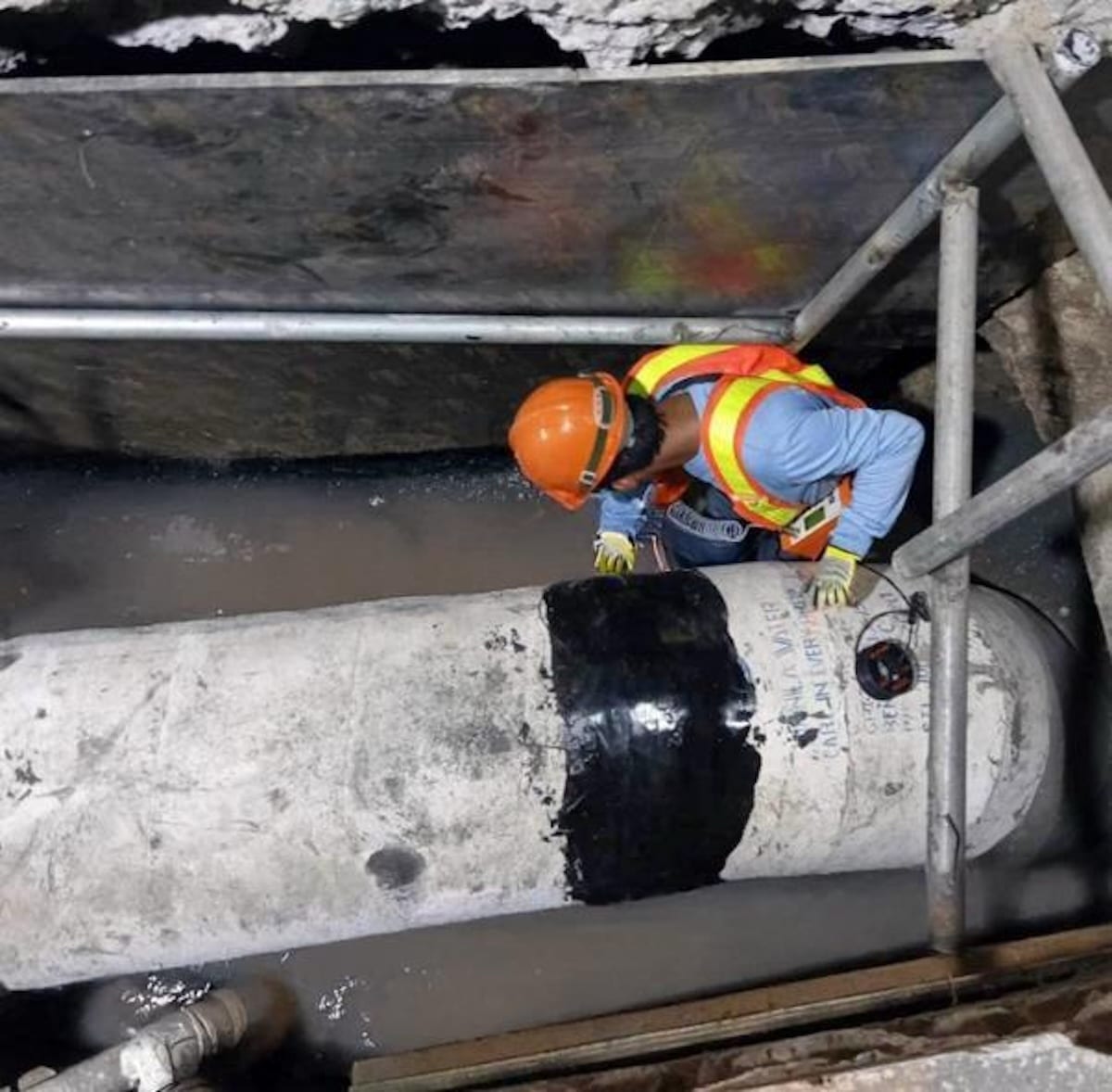
MANILA, Philippines — As the country continues to grapple with the effects of a severe El Niño, Manila Water’s low nonrevenue water (NRW) level has been instrumental in sustaining uninterrupted 24/7 water service for its 7.9 million customers across the East Zone. Coupled with the company’s diversified portfolio of water sources, the low NRW has bolstered water availability and system reliability despite the challenges posed by prolonged dry conditions. In May 2026, Manila Water recorded an NRW level of 13.45%, bringing its year-to-date average for the first five months of 2026 to 14.36%. This remains among the lowest NRW levels in Asia and is comparable to the performance of water utilities in many developed countries. READ: Manila Water accelerates Batasan-Balara wastewater project NRW refers to water that is treated but does not reach customers due to leaks, pipe bursts, illegal connections, meter inaccuracies, and other system losses. Keeping NRW low means more treated water reaches homes, businesses, and communities instead of being wasted. It could be recalled that Manila Water has drastically reduced its NRW from a very high level of 63% in 1997 to its current level of below 15%. For every 1% reduction in NRW, at least 15 million liters of water per day are made available to customers. During periods of limited water availability such as El Niño, reducing water losses becomes even more important. Every cubic meter of water saved from losses helps make more water available to customers and improves the efficiency of existing water supplies. “Our diversified water sources have significantly helped strengthen water availability during the ongoing El Niño, but our low NRW has been the silent ally working behind the scenes to ensure that more water reaches our customers. By reducing losses within our network, we are able to maximize every drop of water we produce and continue providing reliable 24/7 service despite challenging conditions,” said Dittie Galang, Manila Water Corporate Communication Affairs Head. Manila Water maintains its low NRW through continuous investments in operational efficiency and proactive network management. These include active leak detection, pressure management and testing, upgrading water monitoring instruments, and the deployment of quick leak response teams across its concession area. READ: Water security projects top Manila Water’s 2025 Capex program The company also recognizes the important role of customers in helping reduce water losses by promptly reporting leaks and other service concerns, allowing response teams to address issues before they result in significant water wastage. By combining low NRW with a diversified water source portfolio, Manila Water has strengthened its ability to meet customer demand and withstand the effects of climate-related challenges on water resources. While new facilities such as the 710-MLD Upper Wawa Dam, 50-MLD East Bay Phase 1 Water Treatment Plant, 100-MLD Cardona Water Treatment Plant, and 80-MLD Calawis Water Supply System Phase 1 have expanded available water supply, keeping NRW very low enables Manila Water to continue providing reliable 24/7 service despite the ongoing El Niño.

多角的分析

経済的影響

マニラウォーターの低いNRW率は、経済的な観点から非常に重要である。これは、処理された水の無駄を最小限に抑え、顧客への供給量を最大化することを意味する。エルニーニョのような水不足の時期には、この効率性が直接的なコスト削減と収益の安定につながる。また、インフラへの継続的な投資は、長期的な事業継続性と成長の基盤となる。フィリピン経済全体としても、水インフラの安定は産業活動や生活水準の維持に不可欠であり、インフラ投資の成功事例として注目される。

投資家心理

投資家にとって、マニラウォーターの低いNRW率は、同社が効率的な事業運営とリスク管理能力を有していることを示す強力なシグナルとなる。特に、気候変動による水供給リスクが高まる中、このような実績は投資の安全性を高める。Diversifiedな水源ポートフォリオと組み合わせることで、同社は外部環境の変化に対するレジリエンスを示しており、これは長期的な投資リターンを期待する投資家にとって魅力的な要素となる。株価への直接的な影響だけでなく、将来的なインフラプロジェクトへの資金調達能力にもプラスに働く可能性がある。

社会的影響

マニラ首都圏の790万人に及ぶ顧客にとって、24時間途切れることのない水の供給は、日常生活の基盤である。エルニーニョによる水不足の懸念が高まる中、マニラウォーターの低NRW率の維持は、地域住民の生活の質を直接的に保証する。特に、水へのアクセスが不安定になりがちな貧困層や、水の使用量が多い家庭にとっては、安定した供給は健康、衛生、そして経済活動の維持に不可欠である。顧客による漏水の早期報告の奨励は、市民参加型の水管理という側面も持ち合わせている。

市民の声

マニラ首都圏の市民、特にエルニーニョによる水不足の影響を受けやすい地域に住む人々にとって、マニラウォーターの24時間給水体制の維持は、生活の安心感に直結する。水道料金が上昇する中で、水の無駄を減らし、より多くの水を供給するという同社の努力は、水の利用効率を高めるという点で評価できる。一方で、NRW削減のためのインフラ投資や技術導入にはコストがかかっており、それが将来的な水道料金にどう影響するのか、市民は注視している。また、顧客の積極的な協力(漏水報告など)が求められる点も、市民と事業者の協力関係の重要性を示唆している。

背景・歴史的文脈

フィリピンにおける水供給問題は、人口増加、都市化、そして気候変動による水資源の変動といった複合的な要因によって長年課題となっている。特にマニラ首都圏では、過去に高いNRW率が水供給の非効率性を招き、度重なる断水を引き起こしてきた。1997年にマニラウォーターが民営化され、インフラへの大規模な投資と効率的な運用管理が導入されたことで、NRW率は劇的に改善された。これは、フィリピンにおける公共サービス民営化の成功事例の一つと見なされており、特にエルニーニョのような干ばつ時には、その効果が顕著に現れる。

原文ソース

Inquirer NewsInfo

原文を読む