General articles are free for 24 hours after publish.
Thailand Faces Aging Society as Over-60s Reach One-Fifth of Population
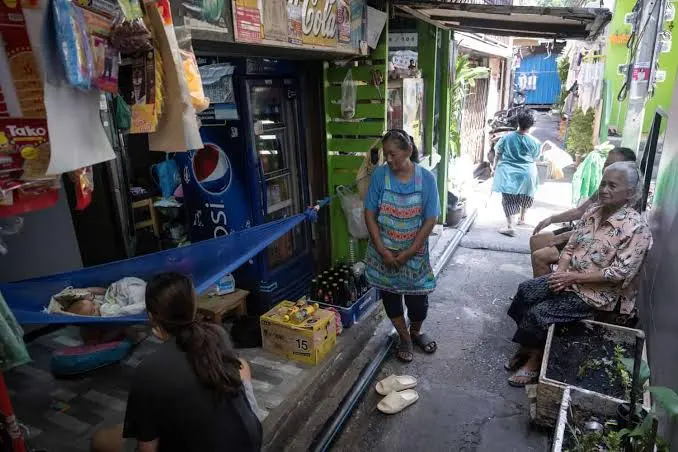
Thailand has officially entered an aging society, with residents aged 60 and over now comprising approximately 20% of the total population. This demographic shift, driven by declining birth rates and increasing life expectancy, poses significant challenges to social security, healthcare, and the labor market.
Thailand has crossed the one-in-five threshold for residents aged 60 and older, confirming a major demographic shift. Official 2023 figures from the Department of Older Persons put the share at about 19.97%, while later estimates place it at roughly 21% in 2025 and as high as 23% in 2026. The exact percentage varies by source and year, but the direction is clear: Thailand’s aging population is growing quickly. Two forces are driving the change: very low birth rates mean fewer young people are entering the population, while longer life expectancy is increasing the number of older adults. That shift affects more than population charts, putting pressure on families and caregivers while changing workforce needs, healthcare demand, pension planning, housing, and local community services. The next sections examine how Thailand reached this point and what the numbers mean for everyday life across the country. Thailand’s aging crisis is already visible in official data, but the figures vary by year and measurement method. The underlying trend remains consistent: older adults now make up about one-fifth of the population, and their share continues to rise. The Department of Older Persons recorded 13,193,247 people aged 60 and older out of Thailand’s total population of 66,052,615 in 2023. That equals 19.97%, according to its 2023 report on older persons. Newer estimates place the share at about 21.6% in 2025, while some regional datasets put it between 22% and 23%. An aged society is a country where at least 14% of residents are 60 or older. Thailand moved through that threshold in only a few decades, after having a much younger population for most of the 20th century. The country is also moving toward a super-aged society, as the 80-plus population grows faster than other age groups. The distinction between age groups matters. The 60-plus figure includes younger retirees and people still working, while the 65-plus group is smaller and often used in international comparisons. These measures answer different questions, so their percentages shouldn’t be treated as conflicting results. Thailand’s older population is also increasingly female. Women make up a larger share of the oldest age groups, especially among people aged 80 and older, partly because women generally live longer than men. That pattern increases demand for services designed around long-term care, widowhood, and living alone. The speed of change leaves little time for adjustment. Public agencies must expand healthcare and care services, employers must rethink retirement and staffing, and families must prepare for longer periods of support. Thailand is adapting while the age structure continues to shift. National averages hide major regional differences. In Chiang Rai, more than 32,200 elderly residents were recorded during budget year 2026, equal to nearly 30% of the local population. That is far above the national share. The province offers a practical example through Chiang Rai’s aging society model, which combines community participation with support for home-bound and bed-bound residents. Regional planning matters because a province with nearly one older resident in three needs different services from a younger, faster-growing area. Thailand’s aging crisis has two connected causes. Families are having fewer children, while people are living longer, so younger age groups make up a smaller share of the population. The result is a country with fewer future workers and more older adults who may need support. Thailand’s total fertility rate has fallen from about six births per woman in the 1960s to roughly 1.0 to 1.2 today, far below the replacement level of about 2.1. The World Bank’s fertility data shows how sharply this long-term decline has changed the country’s age structure. Several practical pressures are behind the trend. Housing, food, transportation, healthcare, and education cost more, especially in cities. Many adults also marry later after spending longer in school or building a career. Full-time work, long commutes, and limited parental leave can make raising children feel difficult to manage. Childcare is another major concern. Parents may face high daycare fees, expensive schooling, and fewer relatives nearby to help. Urban families often live far from grandparents, while demanding jobs leave less time for unpaid caregiving. These pressures affect personal decisions without reducing the issue to a single cause. Births are now lower than deaths. Recent Thai demographic estimates show about 6.2 births and 9.3 deaths per 1,000 people, producing negative natural population growth. In practical terms, the country is no longer adding enough young people to replace older generations. Thailand’s 75-year low birth rate makes that shift easier to see. Fewer children also means fewer future workers and fewer adult children available to help aging parents. Families may need to provide care for longer, even as each household has fewer people to share the responsibility. Thailand’s average life expectancy is about 76 to 77 years, with women living longer than men. Current estimates put life expectancy near 72 years for men and 80 years for women, while WHO data for Thailand shows the same gender gap. A larger 60-plus population creates pressure, but a growing 80-plus population creates more complex needs. Advanced age increases the likelihood of frailty, dementia, chronic illness, mobility problems, and disability. Some older adults need help with bathing, meals, medication, or transportation every day. Older women are especially likely to live alone or require long-term care because they tend to outlive their spouses. As a result, Thailand needs more home-based support, trained caregivers, accessible housing, and affordable long-term care, not only more hospital beds. Thailand’s aging population will affect paychecks, public budgets, hospitals, housing, and family routines. A smaller working-age population must support more retirees, so employers and policymakers will need to adjust before shortages become harder to manage. The World Bank projects Thailand’s working-age share will fall from 71% in 2020 to 56% by 2060. That shift could reduce tax revenue while increasing spending on pensions, healthcare, and social assistance. Read the World Bank’s analysis of Thailand’s aging labor market for more detail. Employers may need to retain experienced workers instead of treating retirement as an automatic exit. Practical changes include retraining, safer equipment, better lighting, accessible restrooms, adjustable schedules, and part-time roles. Flexible work can help people remain economically active while managing health needs or family responsibilities. Longer working lives can be a choice and an opportunity, especially for healthy adults who want income, social connection, or a continued sense of purpose. However, older people who cannot work still need reliable support. Extending r
Original source
Chiang Rai Times