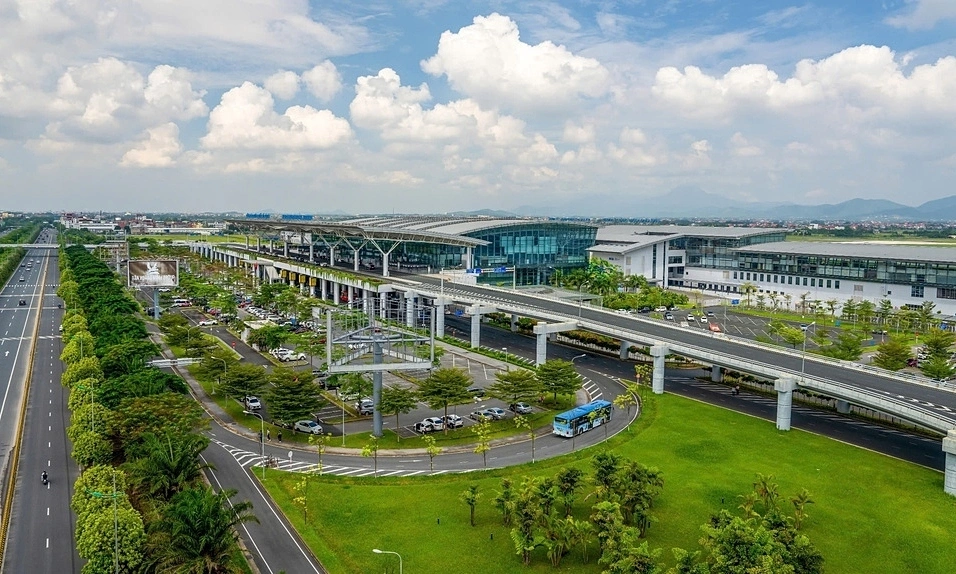
Hanoi's Second Airport Officially Added to National Plan
Vietnam's government has officially added a second airport for the capital region to its national airport master plan to meet growing travel demand. This signifies a strategic shift from mere infrastructure development to fostering a broader aviation economy, including air logistics hubs and MRO facilities.
Hanoi's future second airport has been officially added to Vietnam's national airport master plan for 2021-2030, signaling a strategic shift in the country's aviation development. The revised plan, updated for the second time in six months, incorporates updated economic growth scenarios, air transport demand projections, and national defense requirements. According to the Ministry of Construction, future aviation demand is based on Vietnam's target of at least 10% annual GDP growth through 2030, aiming for a per capita GDP of approximately $8,500 by the end of the decade. Under the revised plan, Vietnam is set to operate 36 airports by 2030, comprising 19 international and 17 domestic facilities. The capital region's second airport is the new international facility designated in this update. Further studies will determine the airport's final location, with a proposed site in the southern part of Hanoi, around Ung Hoa and Chuyen My communes. The ministry also identified five potential airports for future study in Tuyen Quang, Ha Tinh, Ly Son Island (Quang Ngai), Phu Quy Island (Lam Dong), and Tay Ninh. For the first time, the national airport plan introduces detailed criteria for developing air logistics hubs. These hubs will be established at airports handling at least 250,000 tonnes of freight annually, provided they meet multimodal transport connectivity and warehousing requirements. Priority locations include the Hanoi region, the Ho Chi Minh City region, and airports such as Van Don, Cat Bi, Quang Tri, Chu Lai, Long Thanh, and Can Tho. Furthermore, the plan designates Van Don, Noi Bai, Gia Binh, Chu Lai, Tan Son Nhat, and Long Thanh as priority locations for aircraft maintenance, repair, and overhaul (MRO) facilities, aiming to bolster Vietnam's aviation services industry. This inclusion highlights a broader aviation economy focus, aligning with regional hubs like Singapore, Incheon, and Hong Kong (China). By 2030, Vietnam aims for its airport network to handle approximately 249 million passengers and 4.4 million tonnes of cargo annually, ensuring over 95% of the population lives within 100 km of an airport. The plan also emphasizes flexible investment based on demand, economic conditions, funding, and national defense needs. Additionally, it calls for upgrades to low-altitude airspace management for UAVs and allows domestic airports to handle non-scheduled international flights under certain conditions.
多角的分析
ベトナム経済の急速な成長とそれに伴う航空旅客・貨物需要の増加は、インフラ投資の必要性を高めている。今回の空港マスタープラン改定は、GDP成長率目標と一人当たりGDPの向上予測に裏打ちされており、経済発展を航空インフラが下支えするという明確な意図を示している。航空物流ハブやMRO施設の整備は、単なる輸送能力の増強に留まらず、付加価値の高いサービス産業の育成を通じて、経済の多角化と高度化を目指す動きと捉えられる。これは、製造業と輸出に依存する現在の経済構造からの脱却を模索するベトナムの長期的な経済戦略とも整合する。
今回のマスタープラン改定は、航空業界および関連インフラ分野への投資機会を拡大する可能性を示唆している。特に、新国際空港の建設、航空物流ハブ、MRO施設の整備は、国内外の投資家にとって魅力的なターゲットとなり得る。計画の柔軟な実施方針は、市場の動向や経済状況に応じて投資機会が生まれることを意味するが、同時にプロジェクトのタイミングや規模が不確定要素となる可能性も示唆している。ベトナム政府が掲げる経済成長目標が達成されれば、航空需要はさらに拡大し、投資リターンも高まることが期待されるが、プロジェクトの進捗や実行可能性については、引き続き注視が必要である。
首都圏への第二空港の追加は、ハノイおよび周辺地域の住民にとって、旅行や物流の利便性向上に直接的な影響を与える。人口の95%以上が空港から100km圏内に居住するという目標は、地方部へのアクセス改善にも貢献する可能性がある。一方、空港建設に伴う土地収用や環境への影響は、地域住民との間で新たな課題を生む可能性も否定できない。また、航空物流ハブの整備は、国内の物流コスト削減や産業集積に寄与し、経済活動の活性化を通じて雇用機会の創出にも繋がるだろう。しかし、これらの恩恵が地域間で均等に分配されるか、また、インフラ整備が都市部への人口集中をさらに加速させるかといった点も注視すべきである。
今回の空港計画の改定は、ハノイ市民にとって、旅行の選択肢が増え、移動がより便利になるという直接的な恩恵をもたらすと考えられる。特に、将来的な経済成長とそれに伴う所得向上を見据えれば、海外旅行へのアクセス改善は、生活の質の向上に繋がるだろう。また、航空物流の強化は、国内の物価安定や、より多様な商品へのアクセス向上にも寄与する可能性がある。しかし、空港建設に伴う環境問題や、都市部へのさらなる人口流入による交通渋滞の悪化といった懸念も同時に存在する。政府は、これらの社会的な影響を考慮し、地域住民との丁寧な対話を進めることが求められる。
背景・歴史的文脈
ベトナムの一党体制下では、国家開発計画は政府の強力な主導のもと進められる。今回の空港マスタープラン改定は、経済成長と国家安全保障という二つの柱に基づき、長期的な視点でインフラ整備を進めるベトナム政府の姿勢を反映している。特に、中国との関係が複雑化する中で、国内の物流能力および国際的な連結性を強化することは、経済的自立と地政学的な影響力維持の両面で重要視されている。過去のマスタープラン改定は、経済状況の変化や新たな開発ニーズへの対応を示しており、今回の改定も同様に、ベトナムのダイナミックな経済発展と、それに伴うインフラ需要の増大に対応するための継続的なプロセスの一部である。
原文ソース
VnExpress International