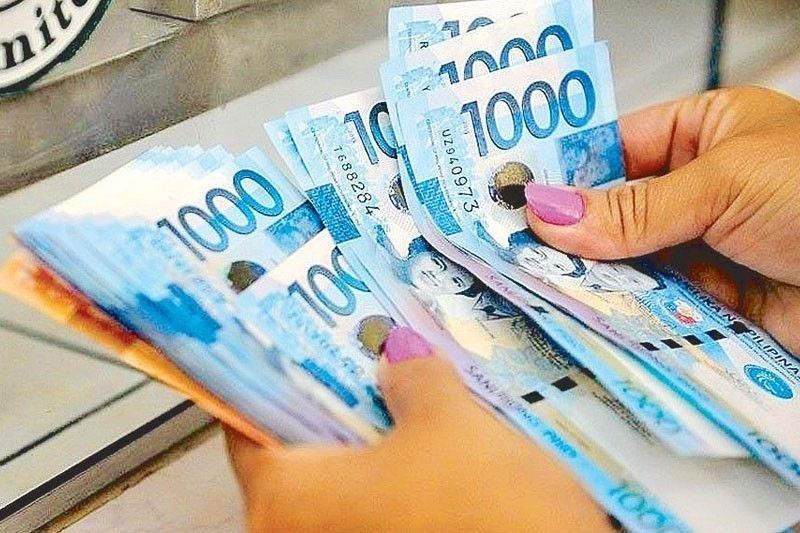
Peso to Stay Under Pressure Amid Higher Oil Prices, Import Surge
Economy
2026年7月18日
5
Philstar Business

General articles are free for 24 hours after publish.

Peso to Stay Under Pressure Amid Higher Oil Prices, Import Surge

Share
AI Summary

The Philippine peso is expected to remain under pressure in the coming months due to persistently high oil prices, strong dollar demand, and seasonal import increases. BMI forecasts the peso to trade within the 61 to 63 per dollar range.

The Philippine peso is expected to remain under pressure in the coming months, as higher oil prices, firm demand for the dollar, and a seasonal increase in imports strain the country’s external position, according to BMI, a unit of Fitch Solutions. In a report, BMI said the local currency would likely trade within the 61 to 63 per dollar range over the next few months, with the peso already hovering near record-low levels at around 61.61. “We expect the peso to remain under pressure in the coming months,” BMI said. The research firm said renewed tensions between the United States and Iran could keep global energy prices elevated, raising the Philippines’ import bill and widening the trade deficit. The country is particularly vulnerable to oil price shocks because it relies heavily on imported energy. This means increases in global fuel prices usually translate into greater demand for dollars from local importers, adding depreciation pressure on the peso. Import growth averaged 22.1 percent from March to May, significantly higher than the 7.9-percent expansion recorded in the preceding two months, BMI said. External pressures could intensify during the third quarter, when merchandise imports typically peak due to increased demand ahead of the holiday season. The peso has also been among Asia’s worst-performing currencies since the US-Iran conflict escalated in late February. BMI said subdued foreign direct investment inflows would provide little support to the local currency. FDI inflows contracted by 17 percent in the first quarter, extending a downturn that began in the fourth quarter of 2024. Geopolitical risks and uncertainty surrounding international trade policies are expected to continue discouraging investors and limiting capital inflows into the Philippines. Despite its bearish near-term view, BMI expects the peso to strengthen modestly to around 61 per dollar by the end of 2026 as overseas Filipino workers send more money home during the holiday season and global oil prices ease. Lower oil prices would help reduce the country’s import bill and improve external balances, while stronger remittance inflows would increase demand for the peso. BMI expects the local currency to average 60.80 per dollar this year, weaker than its previous forecast of 59.60. Its year-end projection was also revised to 61 per dollar from 59.50 previously. The firm expects weakness to persist in 2027, forecasting the peso to average 60 per dollar next year, compared with its earlier projection of 58.50. BMI currently expects the Bangko Sentral ng Pilipinas to raise its policy rate by another 25 basis points to five percent by the end of 2026. However, if higher energy prices push inflation up further, the central bank could deliver another 50 basis points in rate increases, bringing the benchmark rate to 5.25 percent. A more aggressive response would help preserve the interest rate differential with the US and limit additional peso weakness.

0

Original source

Philstar Business

原文を読む