Survivors Recount Terror, Lessons from 1990 Luzon Earthquake 36 Years Later
Thirty-six years after the devastating 1990 Luzon earthquake, survivors in Pangasinan vividly recall the terror of the magnitude 7.7 tremor that ravaged their city. A former legislator emphasizes the critical importance of disaster preparedness.
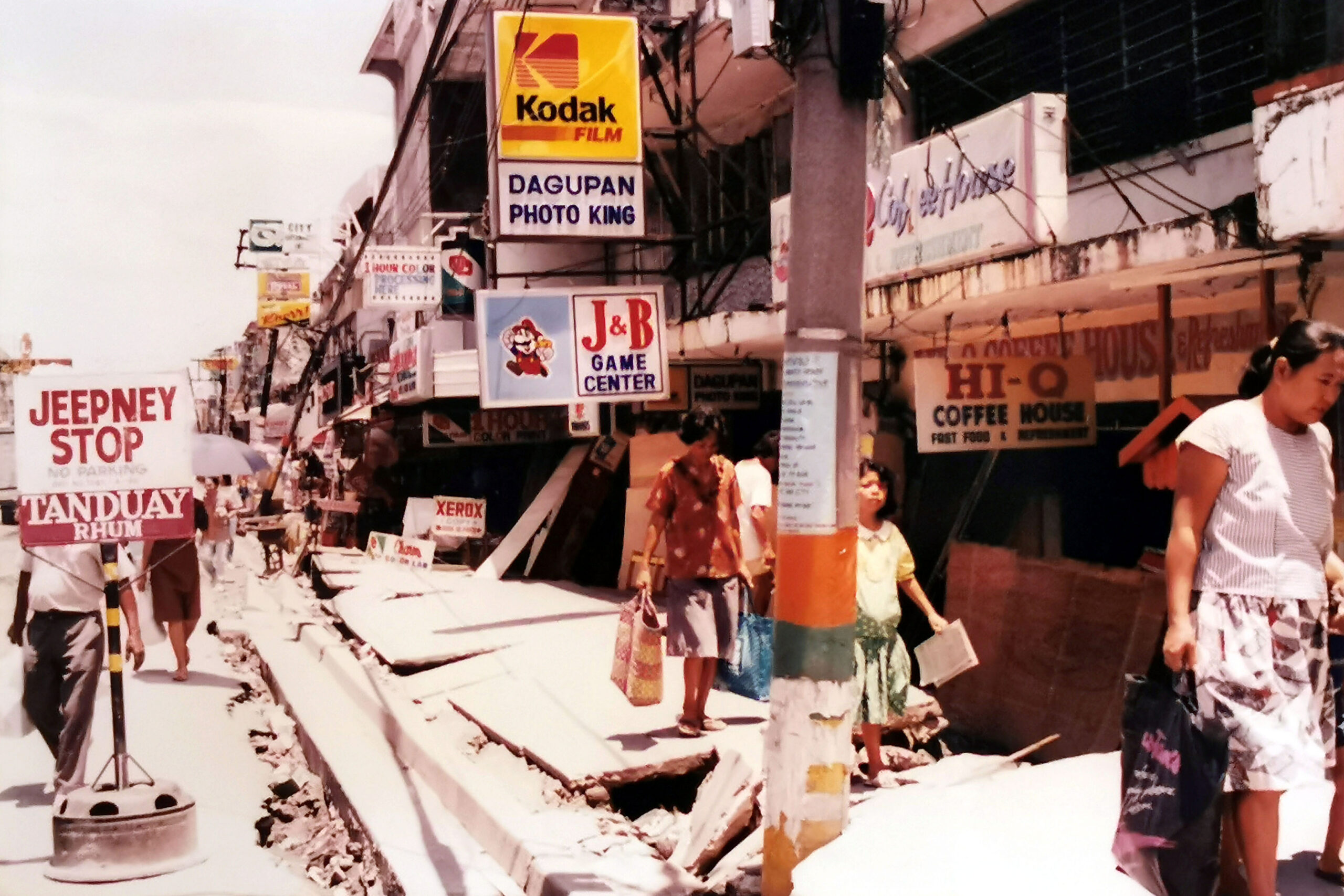
Thirty-six years after the devastating 1990 Luzon earthquake, survivors in Pangasinan still vividly remember the terror unleashed by the magnitude 7.7 tremor that transformed parts of this city into a scene of destruction. The powerful quake, which struck at 3:36 p.m. on July 16, 1990, toppled and tilted power poles, destroyed buildings, fractured bridges, shattered roads, and triggered liquefaction that split open the ground and spewed muddy water, swallowing structures and flooding large portions of the downtown area. “It was like the end of the world,” recalled Pangasinan Fourth District Rep. Gina de Venecia, who was at her family’s home in Bonuan when the earthquake struck. Her children were only four and three years old at the time. As the house shook violently from side to side, she rushed into their room, carried them outside, and watched in horror as the water in their swimming pool surged upward. “I thought a tsunami had already arrived because all the water in the pool was rising. People were praying and begging God to save them because everyone thought it was the end of the world,” she said. Fearing both a collapsing house and a possible tsunami, De Venecia moved her family to their garden and had everyone wear life vests. Looking back, she believes their survival was no accident. “Maybe it wasn’t our time yet. We survived because perhaps we still had things to accomplish in life,” De Venecia said. The experience turned her into a strong advocate of disaster preparedness. She now urges families to keep emergency go-bags containing water, food, a flashlight, whistle, clothing, and other essentials, and to stay calm during emergencies. “I believe that what ultimately saves you is your presence of mind—and your willingness to help save others as well,” De Venecia shared. For many Pangasinenses, the memories of one of the country’s deadliest natural disasters remain as vivid as ever, serving as a reminder that preparedness can mean the difference between life and death.
多角的分析
1990年のルソン大地震は、フィリピン経済に甚大な被害をもたらした。インフラの破壊は物流を滞らせ、産業活動を停止させた。特に、パンガシナン州のような農業・漁業が盛んな地域では、生産基盤の喪失が長期的な経済的打撃となった。過去の類似事例(例:2013年ボホール地震、2013年タクロバン台風)でも、災害からの復興には巨額の公的資金と国際支援が必要であり、被災地域の経済回復には数年を要することが示されている。今回の記事は、経済的損失の直接的な数値は示していないものの、インフラ破壊や液状化現象の描写から、その経済的影響の大きさを推測させる。
1990年のルソン大地震は、当時のフィリピン経済の脆弱性を浮き彫りにした。インフラの未整備と自然災害への対応能力の低さは、海外からの直接投資(FDI)にとって大きなリスク要因となる。特に、地震や台風といった自然災害が多いフィリピンでは、投資家は事業継続計画(BCP)の策定や保険の加入をより慎重に検討する必要がある。過去の災害後の市場の反応を見ると、一時的な株価下落や通貨安が見られるが、政府の対応や復興計画の進捗によって回復の度合いは異なる。今回の記事は、投資リスクに直接言及していないが、インフラ破壊の描写は、投資環境における物理的リスクの大きさを物語っている。
1990年のルソン大地震は、パンガシナン州の住民に深い心の傷を残した。生存者である元議員の証言は、当時の人々の絶望感と、生き残ったことへの感謝を伝えている。特に、子供たちの安全を最優先に行動した母親の姿は、災害時の家族の絆の重要性を示唆している。この経験が防災意識の向上に繋がり、緊急用リュックサックの準備や冷静な判断の重要性を訴える活動に繋がっている点は、社会的な教訓として重要である。一方で、地震による建物の倒壊や液状化現象は、多くの人々の住居を奪い、生活基盤を破壊した。これは、避難所生活や長期的な住居再建の課題を浮き彫りにする。さらに、地震によって引き起こされたインフラの損壊は、地域社会の分断や孤立を招く可能性も示唆している。
1990年のルソン大地震の生存者である元議員の体験談は、多くのフィリピン市民、特に災害を経験した世代にとって、当時の恐怖と混乱を鮮明に思い出させるものだろう。彼女が語る「世界の終わり」という言葉や、プールに波が立つ光景は、想像を絶するほどの揺れと破壊を物語っている。子供を守るために必死に行動した姿は、多くの親が共感するだろう。しかし、この体験が防災意識へと昇華されたことは、市民にとって希望の光とも言える。彼女が推奨する「go-bag」の準備や冷静な対応は、日頃から意識すべき具体的な行動指針となる。一方で、記事が直接言及していないが、地震によって住居を失い、生活基盤を破壊された人々の苦しみや、その後の長期的な復興の道のりは、今も多くの人々の生活に影響を与えている可能性がある。特に、地方都市やコミュニティにおいては、インフラの復旧が遅れることで、日常生活や経済活動が長期間にわたり困難な状況に置かれることが懸念される。
背景・歴史的文脈
1990年7月16日に発生したルソン大地震は、マグニチュード7.7を記録し、フィリピン中部ルソン島を中心に甚大な被害をもたらした。この地震は、フィリピンが位置する環太平洋造山帯における活発な地殻変動活動の一環であり、フィリピンが地震多発国であることを改めて示した。被害は、建物の倒壊、橋梁の崩落、道路の寸断、そして大規模な液状化現象を引き起こし、特にベンゲット州、パンガシナン州、イズーラ州などで壊滅的な被害が生じた。死者数は1,000人を超え、負傷者も多数に上った。この災害は、フィリピンにおけるインフラの脆弱性と、自然災害への対応能力の不足を浮き彫りにし、その後の防災対策の強化やインフラ整備の必要性を強く認識させる契機となった。
原文ソース
Inquirer NewsInfo