General articles are free for 24 hours after publish.
Cambodian Farmers Supplement Household Income with Pig Rearing Post-Harvest
Farmers in Cambodia's Angkor Thom district are supplementing their household income by raising pigs as a secondary occupation after the rice and crop harvest season. Selling piglets from sows proves more profitable than selling pork.
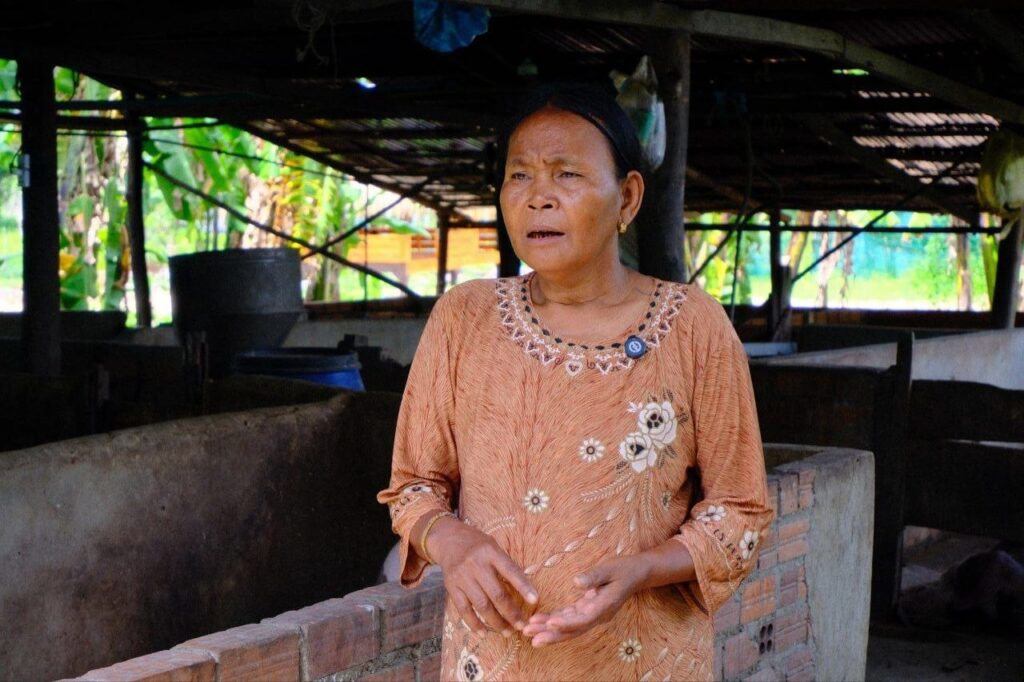
In Angkor Thom district, Siem Reap province, northwestern Cambodia, farmers are engaging in pig rearing as a secondary occupation after the rice and crop harvest season to supplement their household income. Ms. Hen Gau (pseudonym) has been raising pigs as a family business for many years. She currently raises seven sows and twelve meat pigs. According to her, raising meat pigs is relatively easy and less labor-intensive, but requires a high initial investment for purchasing factory-made feed. On the other hand, raising sows for piglets allows for significant cost reduction by making feed from materials like banana stems, sweet potato vines, and household kitchen waste. However, this method requires more effort in preparing the feed. Pig rearing after the harvest season generates income from both the sale of meat pigs and piglets. Selling piglets, in particular, is said to yield higher profits than selling meat pigs. Raising meat pigs is easy and less labor-intensive, but incurs higher costs for feed. Raising sows requires less capital but demands more labor to prepare feed by chopping banana stems, sweet potato vines, and collecting household kitchen waste. It takes about four months for a sow to give birth, and the piglets can be sold about a month after they are born. Source: Kampuchea Thmey Local
Original source
Kampuchea Thmey Local