Vietnam Proposes New Policy to Protect 'Bold' Officials, Encouraging Pro-National Interest Decisions
Politics
2026年8月3日
5
VnExpress

General articles are free for 24 hours after publish.

Vietnam Proposes New Policy to Protect 'Bold' Officials, Encouraging Pro-National Interest Decisions

Share
AI Summary

Vietnam's government has submitted a draft resolution to the National Assembly proposing a mechanism to protect officials who act decisively for the national interest. Under specific conditions, those without corruption or waste could be exempt from criminal prosecution, potentially accelerating economic growth and innovation.

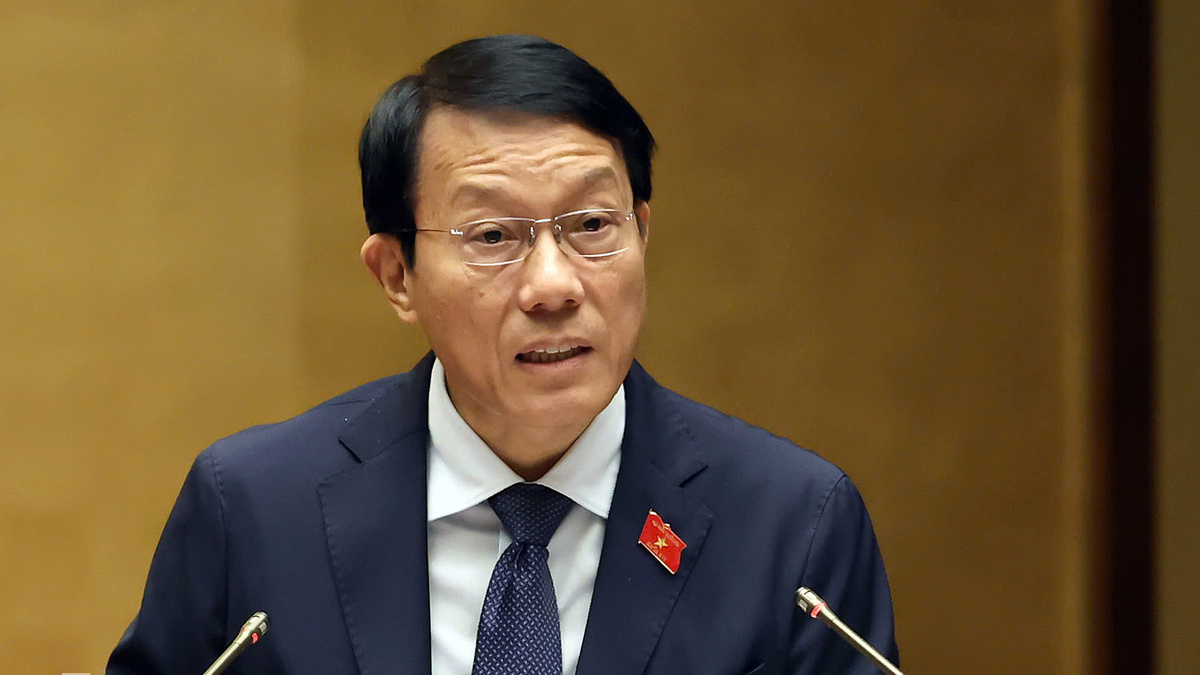
The Vietnamese government has submitted a draft resolution to the National Assembly proposing a mechanism to protect officials who make bold decisions for the national interest. On August 3, the National Assembly heard a presentation on the draft resolution concerning special mechanisms and policies for handling legal violations related to the state economy, private economy, science and technology, innovation, and digital transformation. Minister of Public Security Luong Tam Quang stated that the draft aims to establish a legal basis to protect officials who dare to think and act boldly for the common good, free from corruption, waste, and negativity. The resolution reflects a humane policy of leniency, prioritizing political, economic, and social effectiveness as the basis for determining appropriate handling. Economic, civil, and administrative measures are to be prioritized, with criminal prosecution as a last resort. However, those who exploit this mechanism for corruption, waste, or negativity will be severely punished. The draft outlines six conditions under which prosecuting agencies will not pursue criminal liability for individuals who have committed violations: no corruption; the act was performed for the common good; the investment, production, business, scientific and technological application, innovation, or digital transformation activities have been completed and brought economic and social benefits to the locality or the country; there are no complaints or denunciations, or any filed have been definitively resolved; no loss or waste of assets has occurred, or all consequences have been fully rectified; and the violator has clearly declared the facts and effectively contributed to the detection and handling of the crime. The government cited overlapping and contradictory regulations in laws related to investment, state capital and asset management, land, finance, budget, public procurement, and equitization, as well as the state's management style being heavily reliant on pre-checks and "permission-seeking" mechanisms, which are insufficient for development needs requiring quick, flexible, and creative decisions. Specifically in the state-owned economic sector, particularly state-owned enterprises, and in public asset management and investment projects, tasks often involve large volumes of assets, multi-layered procedures, and are subject to numerous specialized laws. Violations can occur due to unclear regulations, policy changes, urgent situational responses, objective market risks, or business decisions that do not yield expected results. The private economic sector also faces numerous barriers in accessing capital, land, technology, data, and high-quality human resources. Some business conditions are inadequate, compliance costs are high, and the legal environment is not truly stable or easily predictable. The Economic and Budget Committee, acting as the vetting body, agreed on the necessity of issuing the resolution to address urgent issues where some laws have not been amended or supplemented, and to resolve difficulties in handling cases and lawsuits. However, the committee proposed that the government quantify the criteria for classifying violations and the conditions for applying lenient policies, and establish a strict control and supervision mechanism to prevent abuse and ensure that no "forbidden zones" or exceptions exist. Given that the Penal Code, Code of Criminal Procedure, and related laws are currently being amended, the committee suggested that the resolution should only stipulate truly urgent matters and clearly define the content to be further legalized to avoid overlap. The draft resolution is expected to be considered and adopted by the National Assembly through an expedited procedure. Information Source: VnExpress

0

Original source

VnExpress

原文を読む