General articles are free for 24 hours after publish.
Four Bali Regencies Hit by Severe Drought, Affecting 529 Households
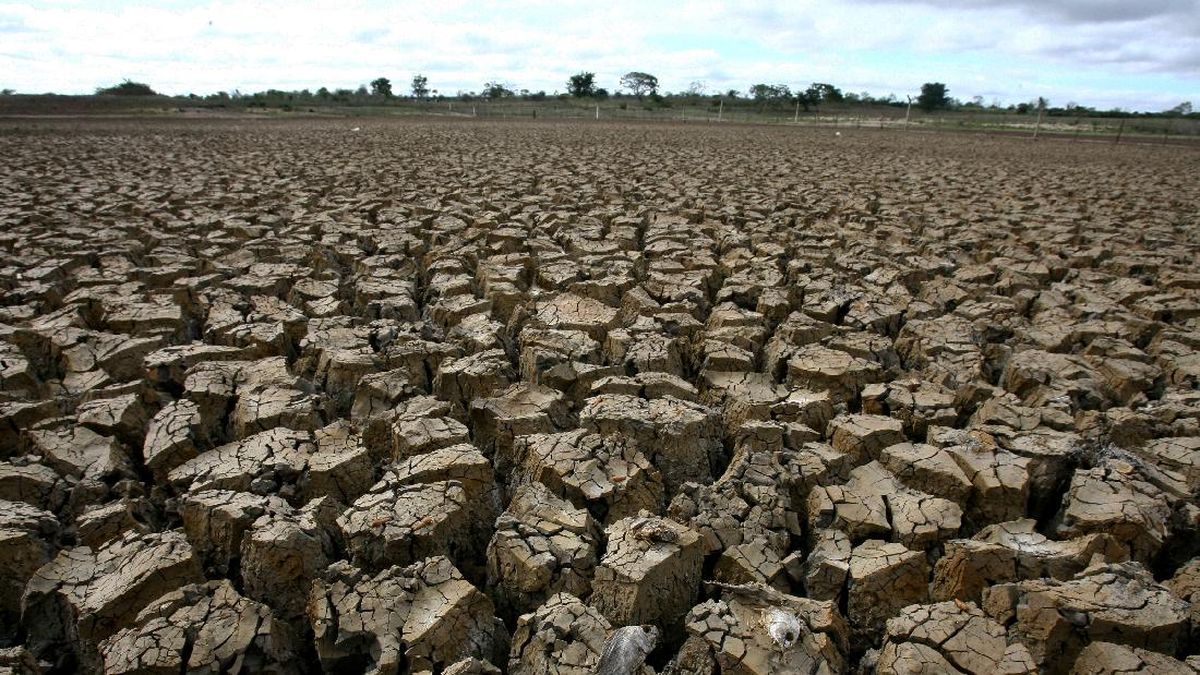
A severe drought, exacerbated by a prolonged and drier dry season in 2026, has impacted four regencies in Bali, Indonesia, affecting 529 households. Agricultural land has also been damaged, highlighting the urgent need for water resource protection and infrastructure enhancement.
Bali, Indonesia's famed tourist destination, is grappling with severe drought conditions during the 2026 dry season. The Provincial Disaster Management Agency (BPBD) of Bali reports that at least 529 households across four regencies – Buleleng, Jembrana, Karangasem, and Klungkung – have been affected. I Wayan Suryawan, Head of the Disaster Management Control Unit at BPBD Bali, warned that the 2026 dry season is projected to be longer, drier, and hotter than usual, increasing the potential for drought, forest fires, and fires in residential areas and waste management sites. He stated that BPBD, in collaboration with regency and city governments, is continuously enhancing monitoring and preparedness, especially in areas prone to drought and fire. The drought's impact has been observed across 15 villages and sub-districts between April 11 and September 3. In Buleleng, three villages were affected: Sinabun, Madenan, and Menyali. Jembrana saw eight areas impacted, including Pendem, Asahduren, Pergung, Bale Agung, Berangbang, Yeh Embang Kauh, Tukadaya, and Manistutu. Karangasem reported affected villages of Baturinggit, Tianyar Timur, and Tianyar, while Klungkung's Pejukutan village was also hit. Agricultural land has also suffered, with 79.95 hectares in Jembrana and 108.60 hectares in Buleleng experiencing drought. Furthermore, out of Bali's total 64,704 hectares of paddy fields, an additional 694.06 hectares are at risk of drought. Water supply has been strained, with 823,200 liters of clean water distributed as of September 3. Jembrana received the largest share with 450,200 liters, followed by Buleleng with 270,000 liters, Karangasem with 65,000 liters, and Klungkung with 38,000 liters. Suryawan emphasized the need to strengthen preparedness by focusing on securing and protecting water sources, improving water storage and distribution infrastructure, enhancing monitoring systems, and fostering cross-sectoral coordination in vulnerable areas. He also urged an end to careless or unsupervised waste burning. Source: CNN Indonesia
Original source
CNN Indonesia