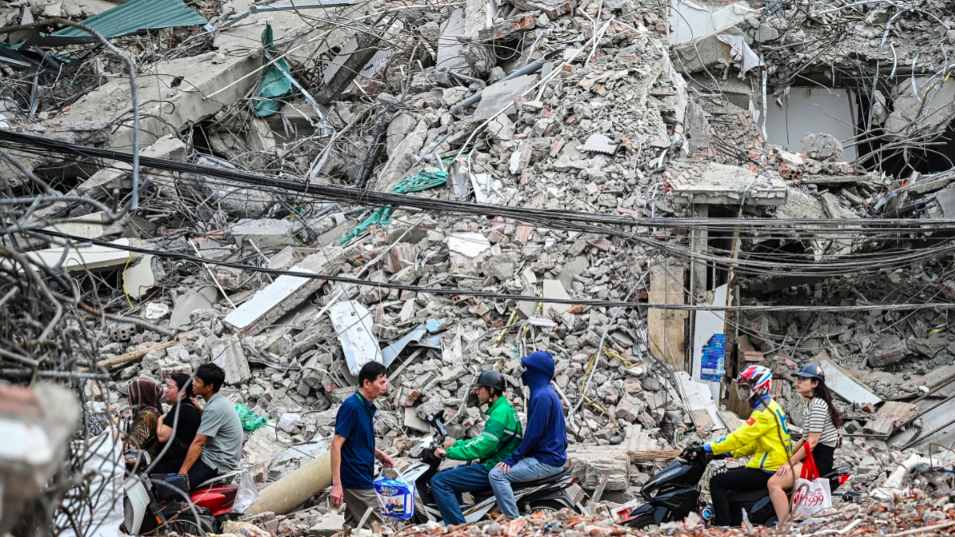
Hanoi Mandates On-Site Recycling of Construction Waste
Hanoi has issued a directive mandating the on-site recycling of construction waste for projects, aiming to strengthen waste management amidst daily generation of 3,000-3,400 tons. This move seeks to combat environmental pollution and resource wastage.
This article requires PRO
This article is outside the free access window or is a special report. PRO unlocks it and the full archive.
Related articles
- Cu Lao Cham Island Roads Submerged by High Tide, Seeking Tourist Feedback
Roads on Cu Lao Cham Island, a scenic spot off the coast of Hoi An, Vietnam, were submerged by a high tide. VnExpress is seeking feedback from affected tourists to improve future services.
- Lightning Strikes Surge in Ho Chi Minh City, Raising Infrastructure Concerns
Ho Chi Minh City is experiencing a surge in lightning strikes, raising concerns about impacts on daily life and infrastructure. Strikes tend to increase during the rainy season, prompting authorities to issue warnings. This phenomenon may be influenced by a combination of ongoing urbanization and climate change.
- Massive $11.8 Trillion VND Cable-Stayed Bridge Connecting Hanoi and Hung Yen Progresses
Construction is advancing on a major cable-stayed bridge costing over VND 11.8 trillion (approx. $700 million USD) that will connect Hanoi and Hung Yen province. This project highlights Vietnam's accelerating infrastructure development aimed at supporting economic growth.
- Giant Tree Fall Halts Traffic in Central Ho Chi Minh City
A massive tree, estimated to be over 20 meters tall, toppled in central Ho Chi Minh City early this morning, causing extensive traffic jams along Dien Bien Phu Street and surrounding major routes. While no serious injuries were reported, the incident severely disrupted the morning commute.