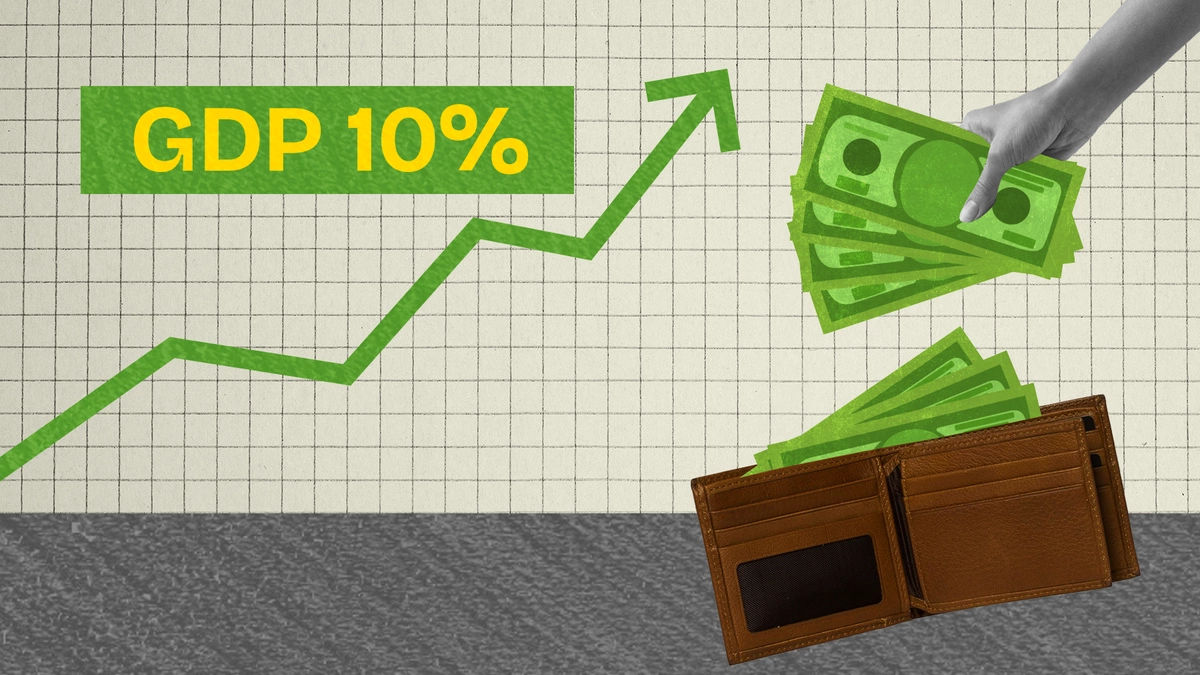
Vietnam's 10% GDP Growth: Why 'Thick Wallets' Remain Elusive for Many
Despite Vietnam's remarkable 10% GDP growth, many citizens report not feeling richer. Experts point to structural issues where economic gains are not sufficiently trickling down to the majority, leaving many to question the tangible benefits of national prosperity.
This article requires PRO
This article is outside the free access window or is a special report. PRO unlocks it and the full archive.
Related articles
- Panama Ready to Serve as Gateway Connecting Vietnam to Latin American Economies
Panama's President, during an official visit to Vietnam, expressed readiness for Panama to become a 'gateway' connecting Vietnam to Latin American markets, aiming to strengthen bilateral trade and investment. This signals potential for deepened economic cooperation.
- Hanoi Giftshow 2026 Opens Doors for Handicrafts and Fine Art Products
The Hanoi Giftshow 2026, scheduled for October 8-11, will feature 500 booths from 230 businesses, cooperatives, and production facilities. The event aims to boost exports and international business exchange through the exhibition and promotion of handicrafts, fine art products, and gifts, with an emphasis on digitalization and the integration of online and offline channels.
- Ca Mau, WB Cooperate in Sustainable Fisheries Development
Ca Mau Province in southern Vietnam is partnering with the World Bank to combat Illegal, Unreported, and Unregulated (IUU) fishing and promote sustainable fisheries. The province is also accelerating digital transformation and improving administrative services, aiming to export fishery products that meet international standards.
- Vietnam Reveals Cases of 4,000 Individuals Whose Personal Information Was Misused for Business Registration
Vietnam's Ministry of Finance announced that approximately 4,000 individuals had their personal information misused to establish businesses without their knowledge. This initiative is part of a "tax code cleanup" campaign aimed at eradicating fraudulent business registrations.