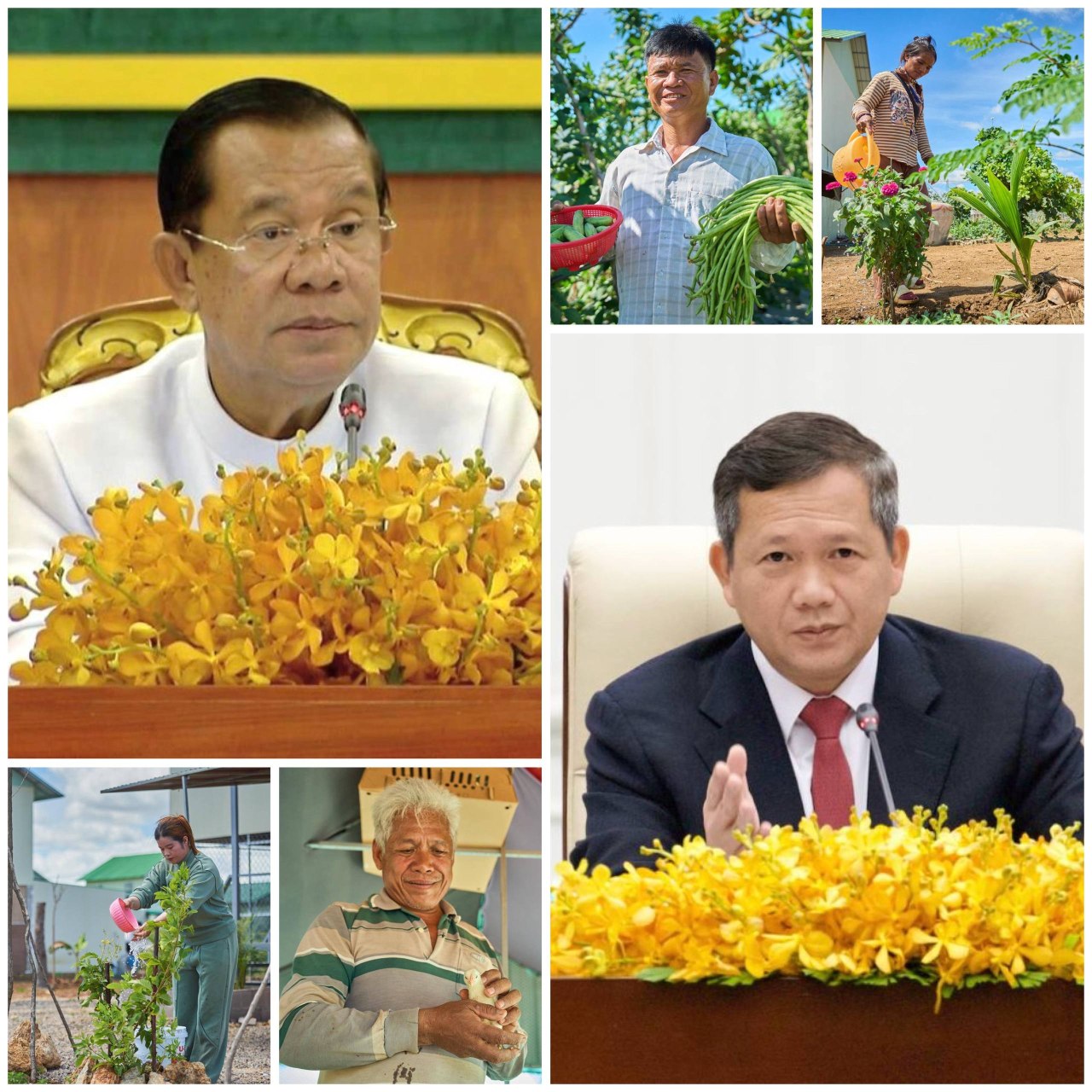
Cambodia Establishes 'Hope Villages' for Displaced Border Residents, Awaiting Return
Politics
2026年7月5日
5
AKP Khmer
Relations
🇰🇭Cambodia🇹🇭Thailand

Cambodia Establishes 'Hope Villages' for Displaced Border Residents, Awaiting Return

AI サマリー

Approximately 21,000 Cambodian residents displaced by border conflicts with Thailand are awaiting their return home, with the government establishing 'Hope Villages' to support their resettlement. The government emphasizes its commitment to peaceful and legal means for territorial recovery, avoiding armed conflict.

In the villages of Prei Chan and Chokchei, located along the Cambodia-Thailand border in O'Svay Chrum commune, Banteay Meanchey province, residents have been forced to flee their homes due to incursions and destruction by Thai forces. As of July 4, 2026, approximately 21,000 people, primarily women, children, and the elderly, remain displaced. In response to this situation, six villages established for the temporary resettlement of these displaced individuals have been officially named 'Phum Rung Cham' (Hope Villages), a concept initiated by former Prime Minister Samdech Techo Hun Sen. This decision, made by the Ministry of Interior on July 1, 2026, saw these villages separated from Sla Kram village. These 'Hope Villages' serve not only as temporary shelters for residents to rebuild their lives but also as a potent symbol of the Cambodian government's unwavering commitment to reclaiming its lost territories. Former Prime Minister Hun Sen declared, "We have built these villages, but we will not abandon our claim to the land! Our land must be reclaimed, absolutely." This statement reflects the government's firm stance on defending national sovereignty and territorial integrity. Prime Minister Samdech Moha Borvor Thipadei Hun Manet has repeatedly stated that even if the possibility of resolving the issue through peaceful negotiations is only one percent, the government will strive to its fullest extent. He emphasized that "negotiation is the best option to avoid the loss of people's lives and destruction." The Prime Minister reiterated, "The priority of the government is the nation, the people, the land, and national independence! And Cambodia will absolutely not recognize any alteration of border lines by the use of force." Life in the 'Hope Villages' is gradually returning to normalcy. Some residents have started small businesses, cultivating vegetables, raising livestock, and engaging in other occupations to supplement their income, with support from the government, local authorities, and relevant institutions. The smiles on their faces and their continued resilient lives are indicators of their faith and hope in a peaceful resolution, even if it takes time, as long as it avoids the outbreak of war and further loss of life. In conclusion, the war of aggression has left deep physical and psychological wounds on the Cambodian people, especially those living along the border. The 'Hope Villages' have become a symbol of suffering, sacrifice, and hope. They stand as living testimony to the loss of homes, farmland, and livelihoods, but also serve as a reminder that these citizens still hold the belief that one day they will be able to return to their native land safely, with honor, and with dignity. As the proverb goes, "As long as there is life, there is hope." Source: AKP Khmer

多角的分析

経済的影響

タイとの国境紛争による住民の避難は、地域経済に直接的な打撃を与えている。失われた農地や商業活動は、地域全体の生産性を低下させ、インフラの破壊は復旧に多大なコストを要する。政府が支援する「希望の村」での生活再建は、一時的な安定をもたらすものの、根本的な解決には領土問題の終結とインフラ整備が不可欠であり、長期的な経済回復には国際的な支援や投資が必要となるだろう。

投資家心理

国境紛争の長期化や領土問題の未解決は、カンボジアへの投資リスクを高める要因となる。特に、国境付近の地域への投資は、地政学的な不安定さから敬遠される可能性がある。政府は平和的解決を強調しているが、投資家は紛争の再燃リスクや、それに伴う資産価値の変動を注視する必要がある。インフラ投資や開発プロジェクトにおいては、紛争の影響を受けにくい内陸部への分散化も考慮されるべきだろう。

社会的影響

タイ軍による越境侵攻と住民の避難は、カンボジア国内の社会的な分断と不信感を生む可能性がある。故郷を追われた住民たちは、住居や土地を失っただけでなく、コミュニティとの繋がりも断たれている。政府が設置した「希望の村」は、一時的な避難場所を提供するものの、住民たちの心理的なケアや、故郷への帰還に向けた具体的な支援策が継続的に求められる。また、紛争の記憶は、世代を超えて社会的なトラウマとして残る可能性も否定できない。

市民の声

タイとの国境紛争により、カンボジア国民、特に国境地帯の住民は、故郷を追われ、生活基盤を失うという深刻な苦難に直面している。「希望の村」は、政府による一時的な保護と生活支援を提供するものの、住民たちの真の願いは、失われた土地と家屋への帰還である。政府が平和的・法的手続きによる領土回復を目指す姿勢は、住民たちに希望を与えているが、その実現には長期的な努力と国際社会の理解が必要となる。住民たちは、紛争の再燃を避け、安全で尊厳ある生活を取り戻すことを切望している。

背景・歴史的文脈

カンボジアとタイの国境紛争は、植民地時代に引かれた境界線が不明確な箇所が多いことに起因する。特に、プレアヴィヒア寺院周辺やその他の国境地帯では、両国の領有権主張が対立し、過去に武力衝突も発生している。2008年以降、国境画定作業が進められているが、一部地域では未解決のまま残っており、タイ軍による越境侵攻や住民の避難といった事態は、この長年の懸案事項の深刻さを示している。今回の「希望の村」設置は、こうした状況下で、政府が平和的解決と領土保全を両立させようとする試みである。

原文ソース

AKP Khmer

原文を読む
Cambodia Establishes 'Hope Villages' for Displaced Border Residents, Awaiting Return | NEWS-BRAIN