General articles are free for 24 hours after publish.
Cambodia Boosts Tourism Workforce Development with Vocational Training and Lifelong Learning
Cambodia's Ministry of Tourism emphasizes vocational training and lifelong learning as crucial for enhancing the tourism workforce's capacity and competitiveness. The ministry is pushing to integrate vocational qualifications into the national framework, clarifying career paths for tourism professionals to foster sustainable tourism and meet market demands.
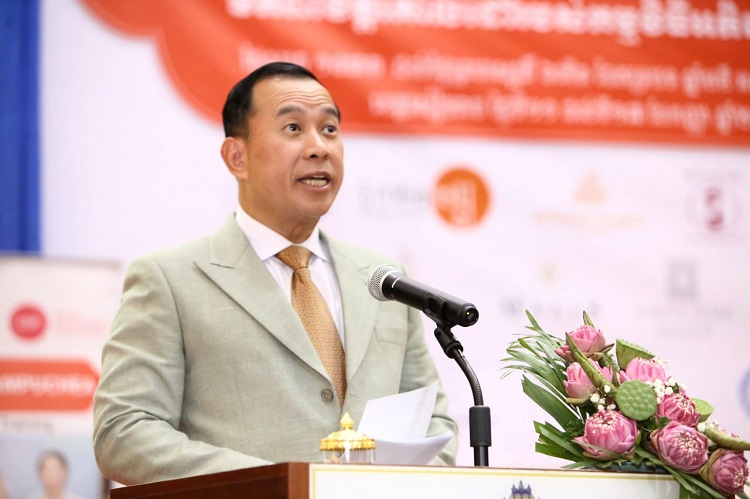
The Cambodian government is prioritizing the promotion of vocational training and lifelong learning to foster the sustainable growth and enhance the international competitiveness of its tourism industry. During the closing ceremony of the "Vocational Training Program in Business Establishments for Target Provinces of the Skills Development Program" held in Siem Reap on September 17, 2026, Minister of Tourism Hout Hak stated that the development of vocational skills and lifelong learning are the crucial pathways to build Cambodia's tourism workforce with capacity, standards, and competitiveness. He emphasized that vocational training should not end with the completion of a course but requires continuous lifelong learning to update skills in line with the evolving tourism industry. The ministry is currently promoting the integration of the "HoKa" training program into the National Qualification Framework of Cambodia, which will ensure that skills and work experience are officially recognized and create clear career paths for tourism professionals. Minister Hout Hak highlighted that the progression from "Skills to Competence, Competence to Qualification, and Qualification to Career" is essential for developing Cambodia's tourism workforce, contributing to sustainable tourism development and meeting labor market demands. Furthermore, Ngov Sengkak, Deputy Governor of Siem Reap Province, stated that developing human resources with knowledge, vocational skills, competence, and work ethics is a prerequisite for ensuring service quality and promoting sustainable tourism development. He encouraged trainees to utilize their acquired skills to find employment, start businesses, and increase their income, thereby becoming a core force in the development of their families, communities, and the nation. The program was organized by the HoKa Project Management Committee of the Ministry of Tourism in collaboration with Swisscontact, the Siem Reap Provincial Administration, and relevant stakeholders. As of the first half of 2026, the HoKa project has trained and enhanced the capacity of over 8,000 individuals, including impoverished and vulnerable youth, low-level professionals, business owners, and managers in the hospitality sector. Source: AKP Khmer
Original source
AKP Khmer