General articles are free for 24 hours after publish.
Malaysia Eyes Davao Coconut Shells for Energy Use
The Department of Agriculture (DA)-Davao Region in the Philippines has initiated discussions with a Malaysian company regarding the potential use of coconut shells as an alternative energy resource. This move signifies a potential opportunity for sustainable resource utilization and new market development in the region.
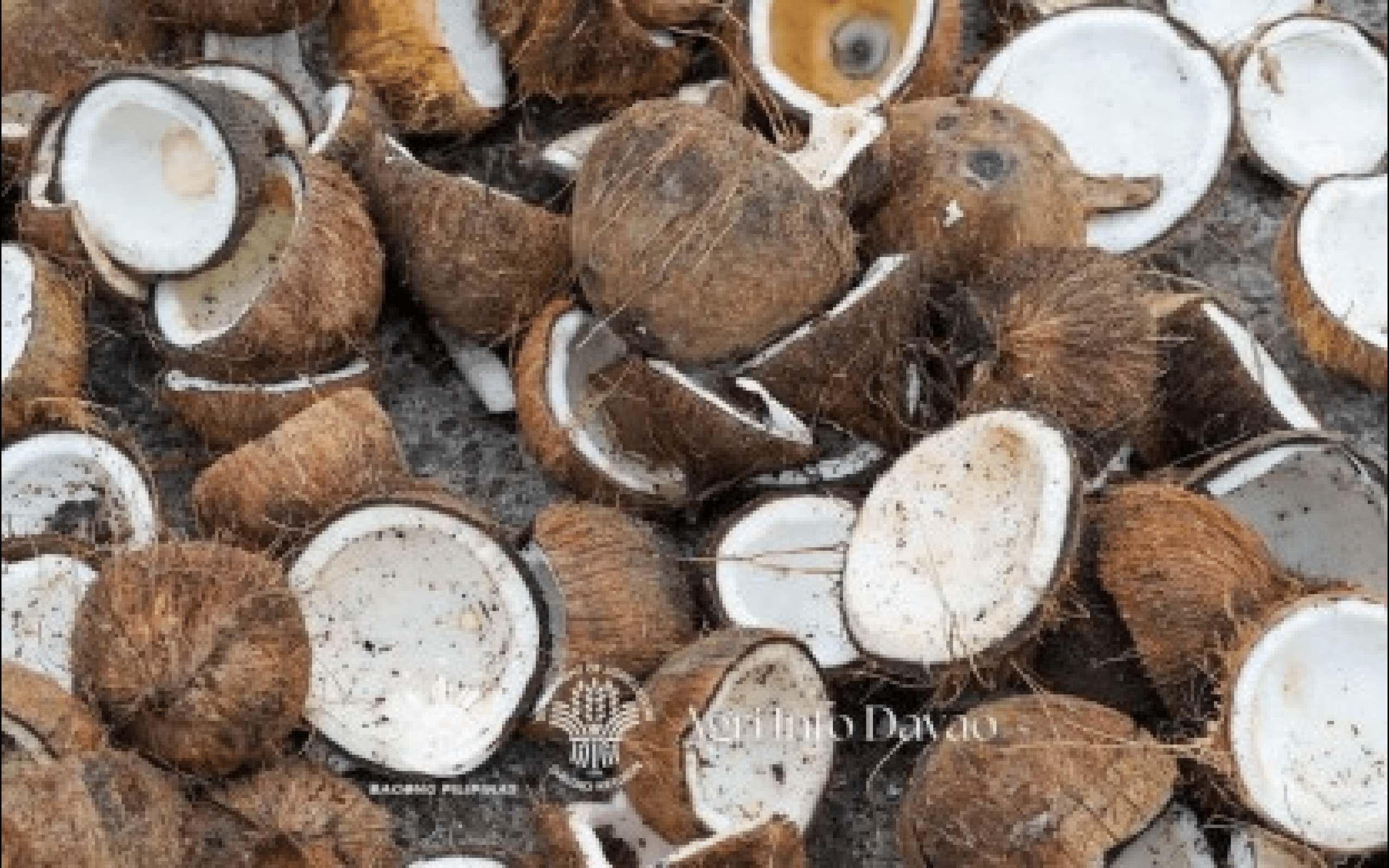
DAVAO CITY — The Department of Agriculture (DA)–Davao Region has begun discussions with a Malaysian company about potential market opportunities for coconut shells as an alternative energy resource. Through its Agribusiness and Marketing Assistance Division (AMAD), DA-Davao Region officials recently met with Borneo New Energy representatives to assess the availability and volume of coconut shells. The Philippines is one of the world's leading coconut producers, with Mindanao being a primary growing area. Historically, coconut shells have often been treated as agricultural waste or used in limited capacities for fuel or compost. However, with the growing interest in biomass energy in recent years, the value of underutilized resources like coconut shells is being re-evaluated. Borneo New Energy, a Malaysian company, is looking to expand its business in the alternative energy sector, including biomass power generation, and has expressed interest in sourcing coconut shells from the Philippines. If this partnership materializes, it could provide a new source of income for coconut farmers in the Davao Region and contribute to the revitalization of the local economy. Furthermore, from the perspective of waste reduction and the promotion of renewable energy, it is expected to lead to sustainable development. Moving forward, DA-Davao Region plans to conduct detailed assessments of coconut shell quality, supply volume, and export regulations to establish a concrete cooperative framework with the Malaysian company. This initiative is also noteworthy as an attempt to explore new export markets for Philippine processed agricultural products.
Original source
Inquirer NewsInfo