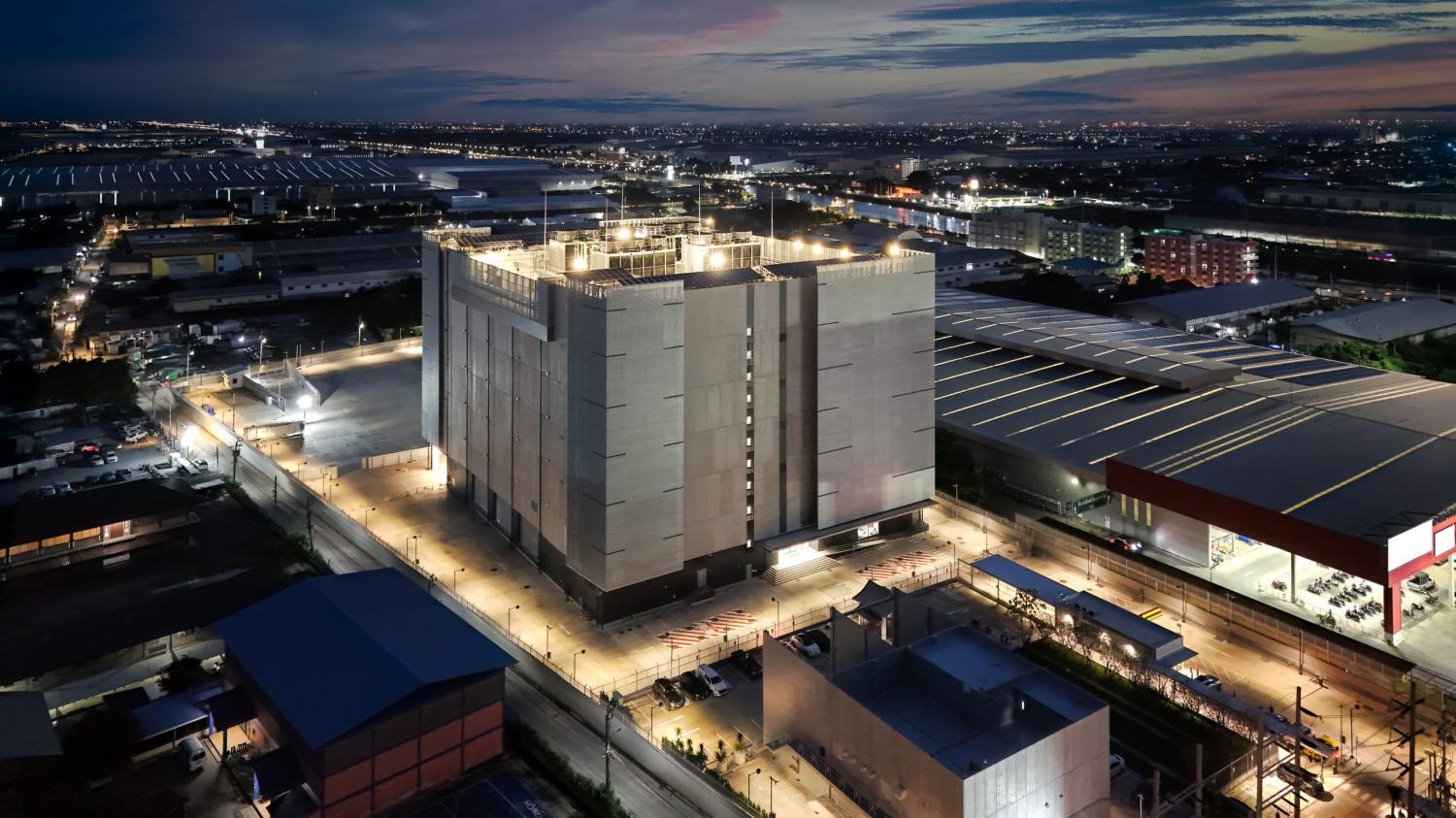
Thailand Readies Direct Power Purchase Scheme for Data Centers
Thailand is accelerating the implementation of a direct power purchase agreement (PPA) scheme for renewable energy to support the rapid growth of data centers. While the second phase is being prepared, resolving issues from the first phase is crucial.
Thailand's energy authorities are intensifying efforts to finalise considerations for the country's pilot direct power purchase agreement (PPA) scheme, which is expected to support the rapid growth of data centres and cloud service businesses. An energy official who requested anonymity said the second phase of the direct PPA scheme is being prepared, though major issues with the first phase must be resolved. The project is designed to allow private renewable energy producers to sell clean electricity directly to large corporate buyers through the state-operated transmission system, bypassing restrictions on peer-to-peer power trading. The timeline for implementation of the initial phase has not been announced. The Energy Ministry is weighing several critical factors, including setting clear targets for data centres relocating to Thailand and assessing the broader economic and environmental impacts, the official said. Initially planned for the Eastern Economic Corridor (EEC), the scheme with a power generation capacity of 2 gigawatts is expected to extend to other regions. The Energy Regulatory Commission emphasised that expansion will depend on the availability of renewable energy generation and transmission infrastructure. The rollout reflects the government's ambition to attract foreign data centre investors before opening access to other industries such as electronics, printed circuit boards and electric vehicles, all of which require clean energy to operate efficiently. Data centres are known for their heavy consumption of electricity and water, particularly for cooling systems. The official said new data centres will bring structures tied to artificial intelligence and digital industries, which will share resources with other industrial sectors. This makes it crucial to balance investment burdens between government transmission infrastructure and private sector electricity production, while safeguarding long-term energy security and ensuring fair energy prices across sectors, noted the official. Energy Minister Akanat Promphan recently noted demand for electricity from digital and data centres in the EEC alone is projected to reach nearly 10GW. The government is prioritising measures to enhance power supply security to meet this surge. Finance Minister Ekniti Nitithanprapas, who also chairs the Board of Investment, established a panel on energy management to support data centre investment. Analysts believe the direct PPA scheme will benefit several major energy companies. Gulf Development Plc, Thailand's largest energy firm by market value, is well-positioned with its renewable energy portfolio and partnerships in technology and data centres. Global Power Synergy Plc, the power generation arm of PTT Plc, is expected to gain from its focus on clean energy and battery innovations. Gunkul Engineering Plc, specialising in solar energy, could secure direct PPAs with mid-sized and large data centre operators. Other major players such as B.Grimm Power, Electricity Generating Plc, WHA Utilities and Power and BCPG -- a subsidiary of Bangchak Corporation Plc -- are also likely to benefit.
多角的分析
タイ政府は、データセンター誘致を通じてデジタル経済のハブとしての地位確立を目指しており、直接PPA制度はそのための重要なインフラ投資となる。データセンターは大量の電力を消費するため、安価で安定した再生可能エネルギー供給は、タイの電力市場構造に影響を与え、エネルギー価格の変動要因となりうる。また、電力インフラへの投資負担を政府と民間がどう分担するかが、長期的な経済成長の持続可能性を左右する。
この直接PPA制度は、再生可能エネルギー発電事業者にとって新たな収益機会をもたらす。特に、Gulf Development PlcやGlobal Power Synergy Plcなどの大手エネルギー企業は、既存のポートフォリオとデータセンター関連事業とのシナジーを活かせるため、投資妙味が高い。しかし、第1フェーズの課題解決の遅延や、将来的な電力価格の変動リスクは、投資判断における注意点となるだろう。
データセンターの電力消費量は膨大であり、特に冷却システムのための水資源への影響が懸念される。タイ国内の地方部では、水不足が社会問題化しており、データセンターの立地選定や水管理のあり方が、地域住民の生活や環境保護との間で摩擦を生む可能性がある。また、AIやデジタル産業の発展は、新たな雇用機会を生む一方で、既存産業からの労働力シフトや、デジタルデバイドの拡大といった社会的な課題も提起する。
タイ市民、特に地方住民にとって、データセンターの電力・水資源への影響は間接的だが無視できない。電力需要の増加は、国内の電力料金全体に影響を与える可能性があり、特に低所得者層の負担増につながる懸念がある。また、データセンターが集中する地域では、インフラ整備の恩恵を受ける一方で、環境負荷への懸念も高まるだろう。政府が、エネルギー価格の公平性をどう確保するかが問われている。
背景・歴史的文脈
タイ政府は、経済成長の新たなエンジンとしてデジタル経済の育成を重視しており、その中核となるデータセンターの誘致に力を入れている。特に東部経済回廊(EEC)をハブとして位置づけ、外国からの投資を呼び込むためのインフラ整備を進めている。データセンターは大量の電力を消費するため、再生可能エネルギーの活用は、環境負荷低減とエネルギー安全保障の両面から不可欠とされている。直接電力購入(PPA)制度は、民間再生可能エネルギー発電事業者が、州営送電網を利用して大規模な法人顧客に直接電力を供給することを可能にするもので、これにより、これまで規制されていた電力取引の自由度を高め、データセンター事業者にとって魅力的な条件を提供することを目指している。第1フェーズでの課題が残る中、第2フェーズの準備が進められている状況は、タイのエネルギー政策における現実的な課題と、それを克服しようとする政府の意欲を示している。
原文ソース
Bangkok Post