Philippines' Trade Deficit Widens to $5.5 Billion in May
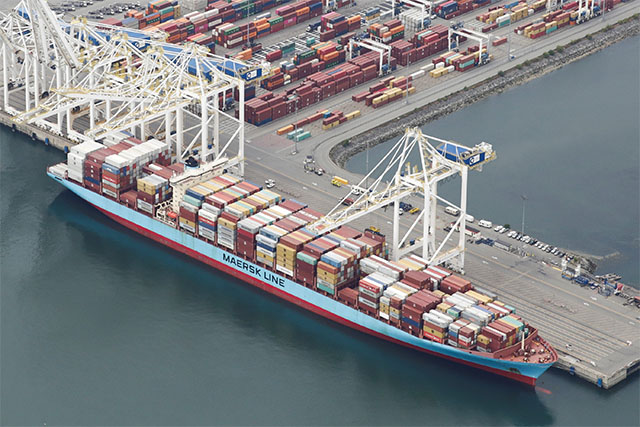
The Philippines recorded a trade deficit of $5.48 billion in May, with imports surging 21.9% year-on-year while exports grew 7.6%. This widening gap reflects increased economic activity and global price pressures, according to preliminary data.
This article requires PRO
This article is outside the free access window or is a special report. PRO unlocks it and the full archive.
Related articles
- Groups Hit Proposed MAIFIP Increase, Seek Bigger PhilHealth Budget
Healthcare professionals and budget watchdogs criticized a House budget panel's proposal to increase funding for the Medical Assistance for Indigent and Financially Incapacitated Patients (MAIFIP) program, arguing the additional funds should instead bolster the Philippine Health Insurance Corp. (PhilHealth).
- Ombudsman Challenges Customs to Share Data, Citing Potential Delays
The Philippine Ombudsman has urged the Bureau of Customs (BOC) to commit to data sharing with the anti-graft body, suggesting that delays might be used to stall complaints. The BOC stated it would cooperate with "lawful" requests.
- BSP Piso Caravan Offers Currency Exchange in Ilocos Sur
The Bangko Sentral ng Pilipinas (BSP) held its "Piso Caravan" in San Ildefonso, Ilocos Sur, allowing residents to exchange unfit or mutilated currency for new banknotes or e-money, aiming to maintain the integrity of the nation's currency circulation.
- DHL Philippines on Track for 100% Electric Fleet by 2030
DHL Express Philippines is maintaining its target to fully electrify its vehicle fleet by 2030. Currently, EVs constitute 40% of its fleet, with plans to replace older vehicles. Rising oil prices due to the Middle East situation are accelerating the shift to EVs.