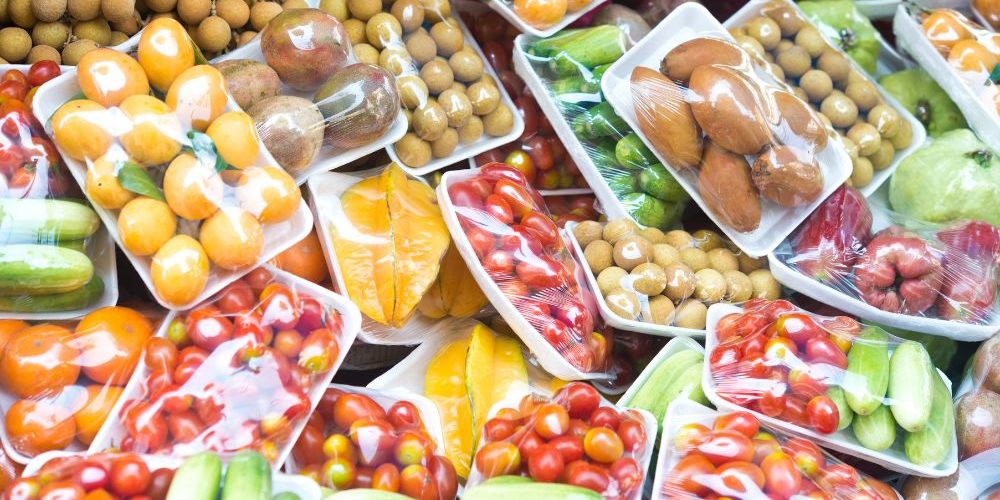
Thailand's Food Exports at Risk as Carbon Footprint Becomes Key Trade Factor
Thailand's agricultural and food export sector faces significant challenges in carbon footprint management. Without clear government policy and technological investment, smallholder farmers risk losing access to crucial global markets.
This article requires PRO
This article is outside the free access window or is a special report. PRO unlocks it and the full archive.
Related articles
- ICONSIAM Invites to Experience 'Flavors & Glow by The River' Amidst Bangkok Illumination 2026
ICONSIAM is hosting 'Flavors & Glow by The River' during the 'ICONSIAM BANGKOK ILLUMINATION 2026' event, showcasing a diverse range of Thai craft beverages from across the nation.
- Thailand to Boost Domestic EV Production with Increased Import Tax
The Federation of Thai Industries (FTI) has expressed support for a 35% increase in import tax on electric vehicles (EVs) to encourage domestic production. This move aims to incentivize foreign automakers to establish manufacturing bases in Thailand.
- Thailand to Hike Imported EV Taxes to 35% to Protect Local Production
Thailand's cabinet has approved a significant increase in excise taxes on imported battery electric vehicles (BEVs) and range-extended electric vehicles (REEVs) to 35%, effective January 2027, in a move to protect domestic production and encourage local investment.
- Thailand to Impose 35% Tax on Imported EVs from January 1, 2027
The Thai government has decided to implement a 35% import tax on electric vehicles (EVs) starting January 1, 2027, aiming to protect and foster the domestic EV industry. This measure seeks to boost local production and enhance international competitiveness.