Economic Group Urges Suspension of P85 Wage Hike in Metro Manila
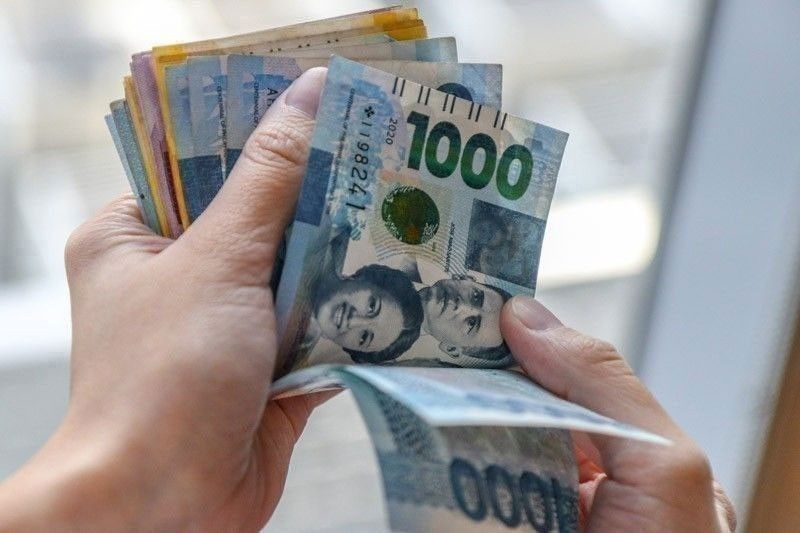
The Foundation for Economic Freedom (FEF) in the Philippines has called on the government to suspend the P85 daily minimum wage hike in Metro Manila, warning it could trigger inflation and job losses, particularly impacting micro, small, and medium-sized enterprises.
This article requires PRO
This article is outside the free access window or is a special report. PRO unlocks it and the full archive.
Related articles
- Dole: P85 Metro Manila wage hike to benefit over 1.1M workers, minimal disruption
The Philippine Department of Labor and Employment (Dole) stated that the P85 daily wage increase in Metro Manila will benefit over 1.1 million workers with minimal disruption to employment, despite some concerns about unintended consequences.
- Philippine Inflation Faces Prolonged Pressure Amid Wage Hike, Weaker Peso
The Philippines faces prolonged inflation due to a sharper-than-expected minimum wage hike, a weaker peso, and volatile oil prices, complicating the central bank's efforts to stabilize prices. Policy coordination is deemed crucial.
- Meralco Eyes Expansion Beyond Metro Manila, Exploring Albay Venture
Manila Electric Co. (Meralco) is exploring an expansion into Albay province, prompted by local officials seeking assistance with persistent power reliability issues hindering investment. The company aims to partner with the existing electric cooperative to enhance services.
- Palace: No Suspension for Metro Manila Minimum Wage Hike
The Philippine Presidential Palace has stated it will not suspend the P85 daily minimum wage increase in Metro Manila, despite calls from the private sector. The first tranche of P60 will take effect on July 25.