General articles are free for 24 hours after publish.
Philippine Peso Hits Lowest Among Asian Currencies Amid Dollar Strength and Domestic Factors
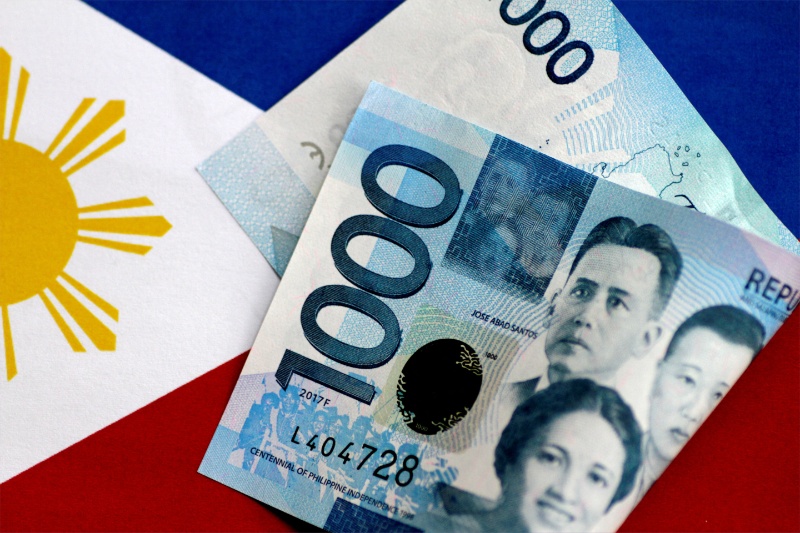
The Philippine peso has registered the most significant decline among major Asian currencies. This fall is attributed to a combination of a strengthening US dollar and domestic economic indicators and policy trends. This could impact the Philippine economy, particularly import costs and foreign investment.
The Philippine peso has registered the most significant decline among major Asian currencies. As of 0206 GMT, data indicates that the peso's depreciation against the US dollar has surpassed that of other Asian currencies. Behind this peso depreciation is the ongoing global strengthening of the US dollar. Factors such as the US Federal Reserve's monetary policy and geopolitical risk events are contributing to increased demand for the dollar as a safe-haven asset. In addition to these global trends, domestic economic conditions and policy developments in the Philippines may also be weighing on the peso. While specific factors are not detailed in the article, it is speculated that inflation rates, the balance of payments, and the government's fiscal policies are influencing market sentiment. The decline in the Philippine peso could exacerbate domestic inflationary pressures through higher import costs. Furthermore, for foreign direct investment (FDI) and portfolio investments, increased exchange rate risk can lead to more cautious investment decisions. The Bangko Sentral ng Pilipinas (BSP) may intervene to stabilize the currency market, but its effectiveness could be limited. Future movements of the peso will likely be heavily influenced by the strength of the US dollar and the economic policy management of the Philippine government.
Original source
Interaksyon Politics