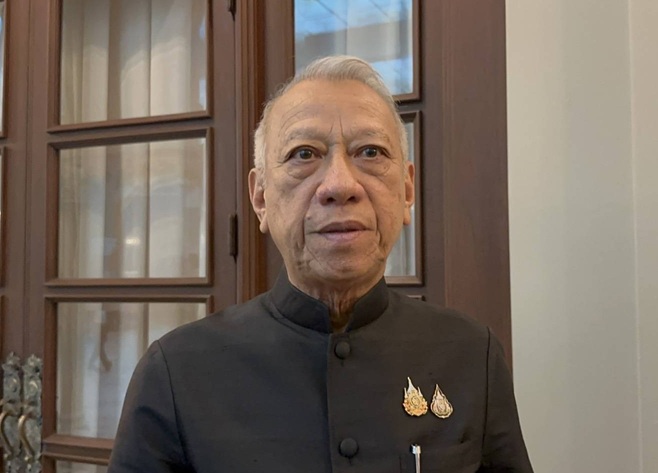
Thai Ministry of Transport Cracks Down on Abandoned Projects, Mandates Insurance to Prevent Delays
Thailand's Ministry of Transport will mandate insurance for contractors under new ministerial regulations to address issues of contract non-compliance and project abandonment, aiming to reduce risks of delays and disruptions in public works.
This article requires PRO
This article is outside the free access window or is a special report. PRO unlocks it and the full archive.
Related articles
- Thai Fitness Industry Faces Intensified Competition with New Facility Opening
Fitness First, a major fitness chain in Thailand, is set to open its new facility, 'Central Northville,' on October 16th. This opening is expected to intensify competition within Thailand's fitness market.
- GMM MUSIC Reports Over 2.16 Billion Baht in First-Half Revenue, Up 12.2%
GMM MUSIC, a major Thai entertainment conglomerate, announced its first-half revenue reached 2.1612 billion baht, marking a 12.2% increase year-on-year, indicating the success of its growth strategies.
- World Bank Lifts Thailand's 2026 Growth Forecast to 2%, Cautions on AI Adoption and Climate Risks
The World Bank has raised Thailand's 2026 growth forecast to 2.0% due to strong AI-related exports. However, it warns that slow domestic AI adoption and climate change-induced flood risks pose potential constraints to growth.
- ICONSIAM Launches 'J-Licious' Event to Capitalize on Healthy Vegetarian Food Trend
ICONSIAM in Bangkok is hosting a vegetarian food event called 'J-Licious' from October 8-18. Featuring dishes from renowned restaurants and regional specialties, the event aims to tap into the growing health-conscious trend, offering a culinary experience that satisfies both appetite and spiritual fulfillment.