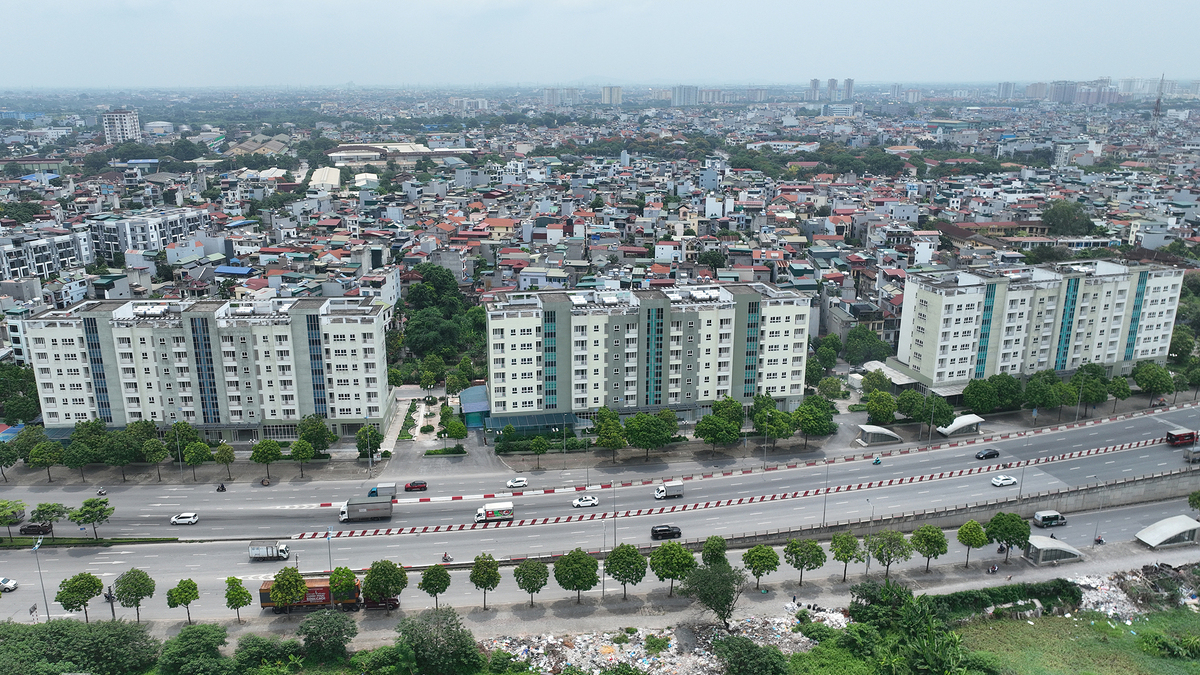
Hanoi Converts 2 Hectares of Agricultural Land in Long Bien for Housing Project
Over 2 hectares of agricultural land in Bo De ward, Long Bien district, Hanoi, will be converted for a housing development featuring low-rise buildings and apartments, with an estimated investment of VND 2,300 billion.
Hanoi City's People's Committee has approved the conversion of over 2 hectares of agricultural land in Bo De ward, Long Bien district, into a housing development area. The project, to be undertaken by Hanoi Land Investment and Development Company, will feature low-rise buildings and apartments, with an estimated total investment of VND 2,300 billion (approximately USD 90 million). The land, located in Bo De ward and already subject to completed land use rights transfers, will be supplemented by an additional 0.4 hectares managed by the Bo Dê ward People's Committee. The total development area will exceed 2.4 hectares. Within this, over 1.7 hectares are designated for the construction of low-rise houses and apartments, for which land use fees will be collected. For the over 750 square meters allocated for technical management and service buildings, a one-time land lease payment will be made. The remaining 0.6 hectares, designated for green spaces and internal roads, will be exempt from land use fees. After the completion of technical infrastructure, these areas will be handed over to local authorities for management. The Hanoi Department of Agriculture and Rural Development is tasked with determining the land prices to calculate land use fees, lease payments, and financial obligations related to social housing within the project. Subsequently, it will establish the land boundaries and facilitate the handover to the developer. This housing development in Bo Dê ward was previously included in the list of areas approved for a pilot expansion of commercial housing land under National Assembly Resolution 171 in April 2025. Late last year, the project received approval for its investment policy, encompassing a total area of nearly 2.5 hectares and an anticipated capital of nearly VND 2,300 billion. The development timeline is set from the fourth quarter of 2025 to the third quarter of 2028. In recent times, Hanoi has seen a continuous increase in the supply of commercial housing, yet prices remain elevated. According to real estate services firm CBRE, the city recorded the sale of 16,600 apartment units and 2,100 terraced houses in the first half of the year. The total supply for these two segments is projected to reach 45,000 units this year.
多角的分析
農地から住宅用地への転換は、都市部における土地利用の効率化と不動産市場への供給増を図るベトナム政府の都市開発戦略の一環である。ハノイのような急速に都市化が進む大都市では、住宅不足が慢性化しており、土地利用の最適化は経済成長と国民生活の安定に不可欠な政策課題となっている。このプロジェクトは、約2,300億ドンの投資規模であり、建設業を中心とした経済活動の活性化に寄与すると同時に、土地使用料や賃貸料を通じて地方財政にも貢献する。しかし、農地転換は食料安全保障とのトレードオフの関係にあり、持続可能な都市開発のためには、農地保全策とのバランスが重要となる。
このプロジェクトは、ハノイの不動産市場における供給不足と高騰する価格を背景に、投資家にとって魅力的な機会を提供する可能性がある。特に、低層住宅とマンションの両方を開発することで、多様な顧客層のニーズに応えることができる。国会決議171号に基づく試験的な商業用住宅用地拡大の対象となっていることは、政策的な後押しがあることを示唆しており、プロジェクトの実現可能性を高める要因となる。ただし、開発期間が2028年までと長期にわたるため、市場の変動リスクや建設コストの上昇リスクを慎重に評価する必要がある。また、社会住宅への土地引き渡しの義務なども、収益性に影響を与える可能性がある。
農地が住宅開発用地に転換されることは、都市部への人口流入が続くハノイにおいて、住宅供給の増加に繋がる一方で、かつて農地であった地域住民の生活様式や景観の変化をもたらす。ボーデー通り周辺の住民は、開発による騒音や交通量の増加、そして長年親しんできた農村的な風景の変化に直面する可能性がある。また、開発される住宅が、手頃な価格で入手可能かどうかが、多くの市民、特に若年層や中間所得者層にとって重要な関心事となる。高騰する不動産価格の中で、新たな住宅供給が、住宅アクセスの改善にどの程度貢献するかが問われる。
ハノイの市民、特にロンビエン区やその周辺に住む人々にとって、このニュースは住宅事情の改善への期待と、生活環境の変化への懸念の両方をもたらす。農地が住宅地に変わることで、将来的に住居を見つけやすくなる可能性はあるが、同時に、開発に伴うインフラ整備の遅れや、交通渋滞の悪化、近隣住民との摩擦などが懸念される。また、開発される住宅の価格設定が、一般市民にとって手の届く範囲内であるかどうかが、このプロジェクトが真に市民の利益に資するかどうかを判断する上で重要な要素となる。特に、若年層や子育て世代は、手頃な価格で質の高い住居を求めている。
背景・歴史的文脈
ベトナムでは、1986年のドイモイ(刷新)政策以降、市場経済化が進み、都市化が急速に進展した。特にハノイやホーチミンといった大都市圏では、経済成長に伴う人口流入と所得向上により、住宅需要が供給を大きく上回る状況が続いている。政府は、住宅不足の解消と都市インフラ整備のため、農地転換や土地利用計画の見直しを積極的に進めてきた。しかし、この過程で、食料生産基盤の維持と都市開発のバランス、そして開発による環境への影響や、一部地域への富の集中といった課題も指摘されている。国会決議171号は、こうした背景を踏まえ、商業用住宅用地の拡大を試験的に認めることで、市場の活性化と住宅供給の増加を目指す政策の一環である。
原文ソース
VnExpress