Subanen Indigenous Group Nears Ancestral Domain Title After 20-Year Struggle
Technology
2026年7月20日
4
Inquirer NewsInfo

General articles are free for 24 hours after publish.

Subanen Indigenous Group Nears Ancestral Domain Title After 20-Year Struggle

Share
AI Summary

The Subanen Indigenous Cultural Community in Bayog, Zamboanga del Sur is on the cusp of receiving its Certificate of Ancestral Domain Title (CADT) after a 20-year struggle, with the National Commission on Indigenous Peoples (NCIP) having approved their application.

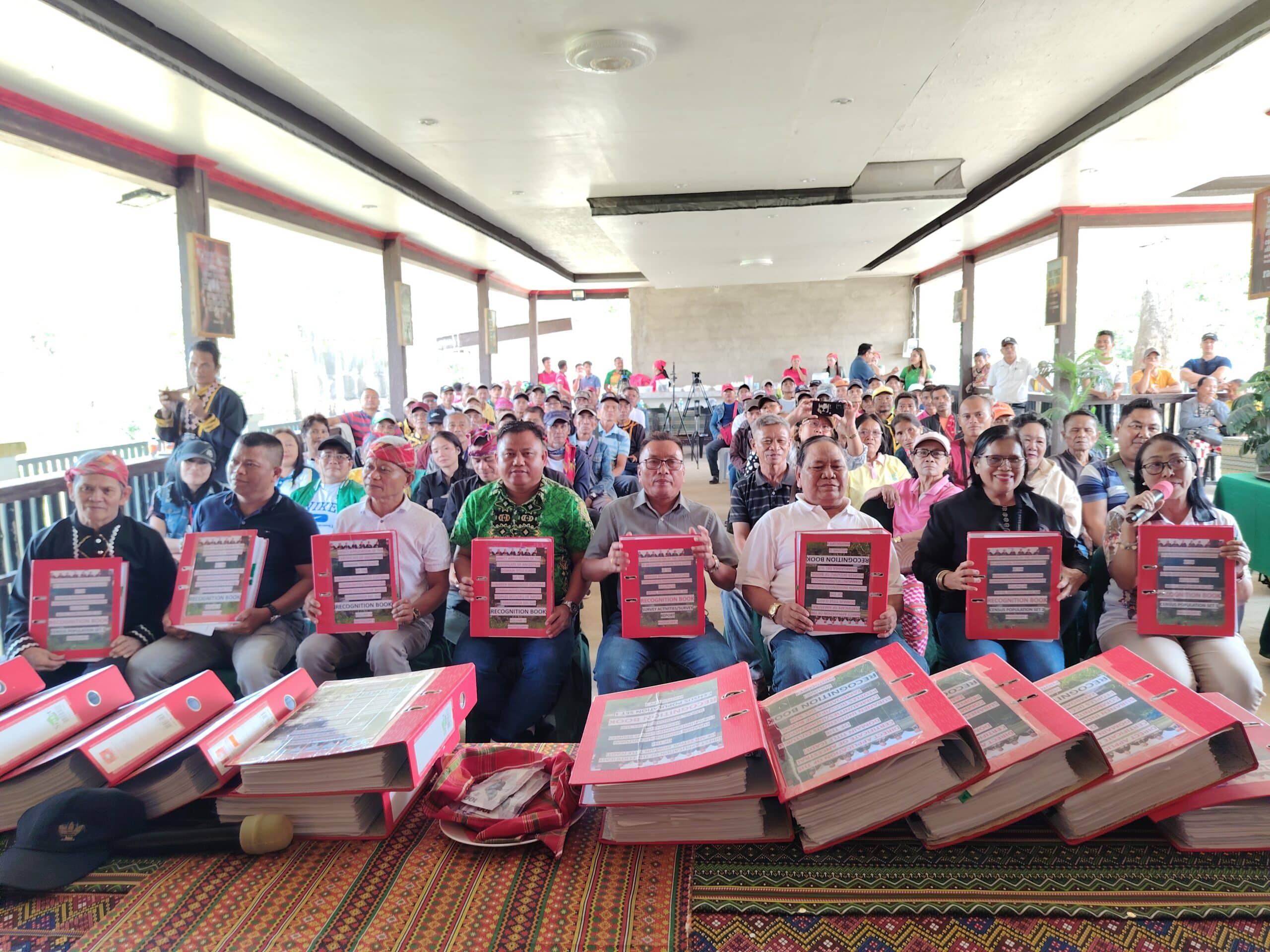
BAYOG, Zamboanga del Sur — The Subanen Indigenous Cultural Community in Bayog, Zamboanga del Sur is on the verge of receiving its long-awaited Certificate of Ancestral Domain Title (CADT). There’s just only a few documents left to be completed before the National Commission on Indigenous Peoples (NCIP) formally turns over the title to them. Bangat Gukom Lucenio Manda, Bayog tribal chieftain, confirmed that the NCIP Commission en banc approved their CADT application last April 21 after 20 years of struggle. On Saturday, July 18, Bayog’s tribal leaders presented the official documents to community members, highlighting the collective effort that brought them to the stage of nearly full recognition. “This is not an expense but an investment,” Manda said, noting that funds from the royalty payments of TVI Resource Development Philippines Inc. (TVIRD) were used to process the CADT. He stressed that the title will benefit generations of Subanens, but he also emphasized that the work is not yet finished. The tribe must still finalize requirements such as the Ancestral Domain Sustainable Development and Protection Plan (ADSDPP) and other supporting documents before the NCIP can formally award the title. Manda explained that the CADT will serve as a “gateway” to national government programs like the Mindanao Inclusive Agriculture Development Project (MIADP), which requires CADT and ADSDPP documentation. For mining-related initiatives, communities must also prepare a Community Resources Management and Development Plan (CRMDP). He warned that without proper documentation, communities risk losing out on benefits, citing Gutalac town in Zamboanga del Norte where royalties were not maximized due to the absence of a CRMDP. “That is why we prioritize the documentation of our ancestral domain. This ensures benefits are shared collectively, not divided in ways that may lead to conflict,” he said. The Bayog Indigenous Political Structure (IPS) has also received confirmation from the NCIP Commission en banc under new guidelines—the first such recognition for a Subanen tribe in the Zamboanga Peninsula. Manda said this strengthens the tribe’s foundation and clears confusion between Indigenous Political Structure (IPS) and Indigenous People’s Organizations (IPO). He added that an Ancestral Domain Tribal Ordinance will be drafted to codify rules and responsibilities, ensuring decisions are documented “in black and white.” Timuay Reynaldo Suminod, a resident of Barangay Depore, Bayog, said they are happy that their leader ensured royalty payments were not wasted. “Many buildings were built, and we saw unity because funds were managed well. Even if the [TVIRD] company leaves, the projects will remain and benefit the community,” he said. Timuay Marcelino Tumaras, of Barangay Balukbahan, remembered: “We saw sacrifices from the past. Without Manda’s effort to unite us, the tribe had no hope.” “Now, despite hardships, our group has progressed. Before, morale was low. Now, it is high,” he said. /apl

0

Original source

Inquirer NewsInfo

原文を読む