Neighbor dispute over damaged car exposes Thailand’s parking crisis
A dispute in Thailand over a car parked outside a neighbor's property that was damaged by falling debris has reignited broader debates on parking etiquette and property rights. Experts suggest improvements in both legal enforcement and urban planning.
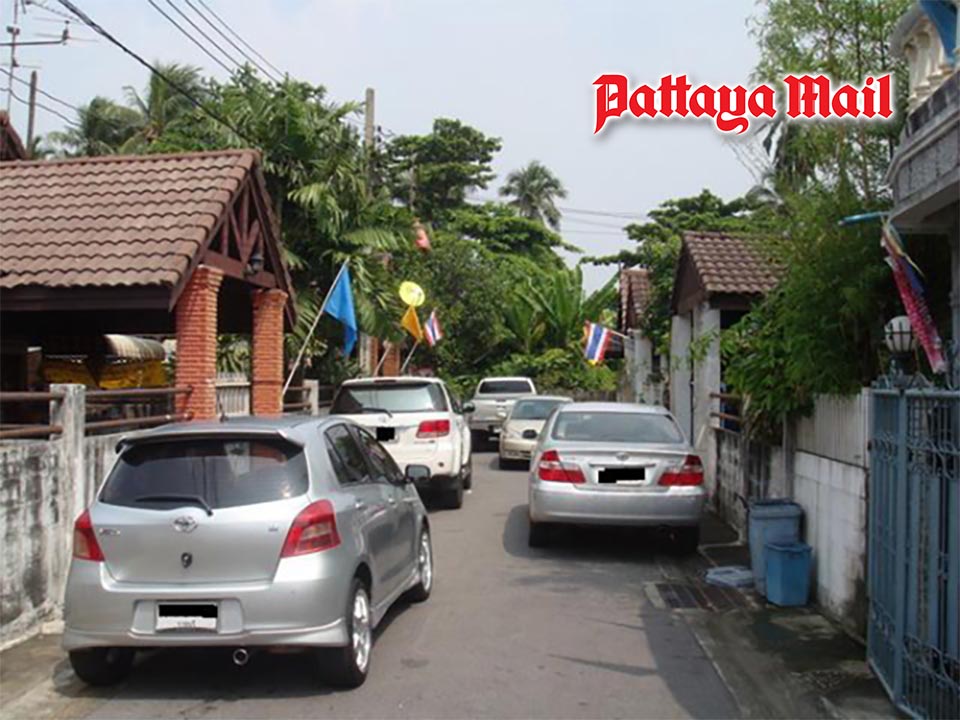
PATTAYA, Thailand – A dispute involving a car parked outside a neighbor’s home has reopened a wider debate in Thailand over parking habits, property rights and who should pay when damage occurs. The case began when a vehicle owner parked outside a neighbor’s house, reportedly across from their own home. The neighboring property was said to be rarely occupied, but later pieces of concrete from the building fell onto the parked vehicle, causing damage. When the car owner requested compensation, the homeowner allegedly refused responsibility and told the owner to take the matter to court. Police accepted the complaint and recorded the details, but explained that the dispute was a civil matter requiring the parties to seek compensation through legal procedures. (adsbygoogle = window.adsbygoogle || []).push({}); The incident attracted strong reactions online, with opinions divided. Some people argued that the homeowner should be responsible because the damage came from the property. Others said the vehicle owner should not have parked outside someone else’s home in the first place. Dr. Peerapat Foithong, spokesperson for the Lawyers Council of Thailand, explained that the two issues involve separate legal matters. He said that under Section 436 of Thailand’s Civil and Commercial Code, a person living in a building can be held responsible for damage caused by objects falling from the property or being thrown from the premises. However, the parking issue is a separate matter. Roads and common areas outside homes generally do not belong exclusively to the homeowner. Residents do not automatically have ownership rights over the road in front of their property. (function(w,q){w[q]=w[q]||[];w[q].push(["_mgc.load"])})(window,"_mgq"); Vehicles can usually park along public roads if they do not break traffic rules or cause problems. However, parking that blocks a driveway, prevents residents from entering or leaving, or creates a disturbance may violate traffic regulations and could also be considered a public nuisance under Section 397 of the Criminal Code. Dr. Peerapat said that even if the car owner was wrong for parking in an inappropriate location, it does not automatically remove the homeowner’s responsibility for damage caused by falling objects. He said the two matters should be considered separately and encouraged neighbors to negotiate solutions rather than immediately turning disputes into long legal battles. The case has also highlighted a wider urban problem in Thailand, where many households own multiple vehicles but have limited parking space. Urban planning expert Associate Professor Dr. Sonchai Lobyaem, head of the Urban Design and Planning Department at Silpakorn University, said parking conflicts are far more common in Thailand than in many neighboring countries. He pointed to Japan as a possible example for Thailand to study. In Japan, people generally need proof of having a parking space, known as a parking certificate or “Shako Shomeisho,” before purchasing a vehicle. The system was introduced decades ago to reduce street parking problems and prevent vehicles from blocking homes and public roads. The dispute reflects a growing challenge in Thai cities: finding a balance between personal convenience, legal rights and respect for shared public spaces.
多角的分析
タイにおける駐車問題は、都市部での土地利用の逼迫と、車両所有率の増加という経済的要因に起因している。限られた空間での車両の増加は、必然的に路上駐車や不適切な駐車を誘発し、不動産価値や地域経済活動に間接的な影響を与える可能性がある。また、紛争解決に要する時間とコストは、個人および社会全体の経済的損失につながる。
タイの不動産投資家にとって、駐車問題は資産価値に影響を与える潜在的リスク要因となり得る。特に商業地域や住宅密集地では、駐車スペースの不足や近隣とのトラブルは、物件の魅力や賃貸収益性に影響を与える可能性がある。同様に、自動車関連産業への投資も、インフラ整備の遅れや法規制の不備を考慮する必要がある。
この事例は、タイ社会における近隣関係の緊張を浮き彫りにしている。都市化の進展に伴い、個人空間の侵害や共有スペースの利用に関する摩擦が増加している。特に、タイの多くの都市部では、駐車スペースの確保が困難であり、これが住民間の不満や対立の原因となっている。法的な解決を求める前に、近隣住民間の対話と相互理解を促進する仕組みの必要性が問われている。
タイの市民、特に都市部に住む人々にとって、駐車問題は日常生活における直接的なストレス要因となっている。自宅周辺の路上駐車や、公共スペースの占有は、通勤や移動の妨げとなるだけでなく、近隣住民との関係悪化につながる可能性がある。今回の事例のように、些細な駐車のトラブルが、財産損害や法廷闘争に発展するリスクは、多くの市民にとって懸念事項である。
背景・歴史的文脈
タイにおける駐車問題は、急速な都市化と自動車保有率の増加が背景にある。特にバンコクなどの大都市では、限られた土地に多数の車両がひしめき合い、路上駐車や違法駐車が常態化している。過去数十年にわたり、政府はインフラ整備に力を入れてきたが、都市の拡大ペースに追いついていない。また、個人の権利意識の高まりと、共有スペース利用に関する規範の未整備が、近隣住民間のトラブルを増加させている。日本のような駐車証明制度の導入は、過去の類似問題への対応策として、タイでも議論されるべき段階に来ている。
原文ソース
Pattaya Mail