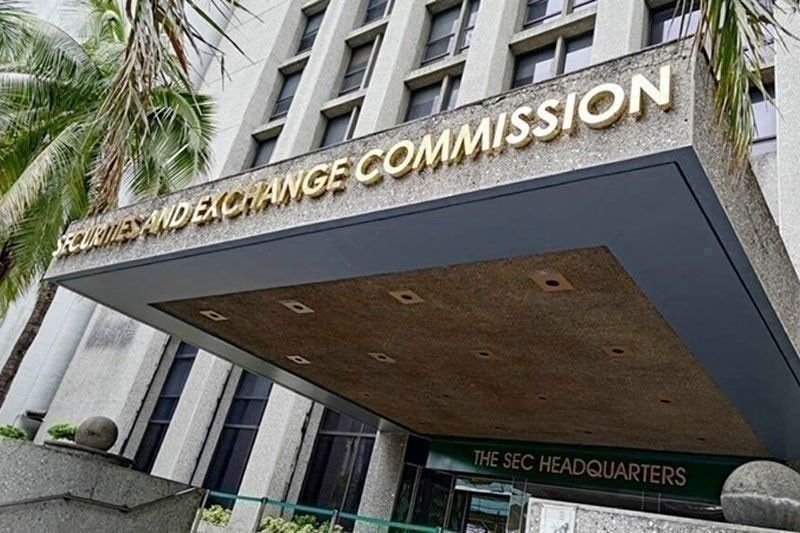
SEC Overhauling Rules for Credit Rating Agencies
The Securities and Exchange Commission (SEC) in the Philippines is overhauling rules governing credit rating agencies (CRAs) to establish a more comprehensive accreditation and supervisory regime. This move is part of a broader capital market development agenda aimed at enhancing investor confidence and broadening market participation.
MANILA, Philippines — The Securities and Exchange Commission (SEC) plans to overhaul rules governing credit rating agencies (CRAs) to ensure a more comprehensive accreditation and supervisory regime as part of a broader capital market development agenda. The proposed strengthened regulatory framework introduces rigorous oversight across key operational areas, including accreditation requirements, corporate governance, analyst competence and independence, the integrity of the credit rating process, transparency and reporting obligations, as well as the development and application of rating methodologies. “These proposed reforms support a credit rating regime that fosters the trust of both institutional and retail investors,broadening market participation beyond a narrow investor base toward deep and inclusive capital markets,” the SEC said. CRAs are those principally and regularly engaged in the business of performing credit evaluation of corporations and business projects or of debt issues with the intention of assessing the overall creditworthiness or of ascertaining the willingness and ability of the issuer to pay its financial obligations as they fall due. The assessment is translated by credit ratings assigned periodically and publicly announced. The proposed rules seek to expand the scope of application explicitly and materially by covering ratings for corporate bonds, commercial paper, structured products, sukuk instruments, covered bonds, sustainability-linked instruments and any other debt security in the Philippines. The SEC said the expanded scope ensures that the regulatory perimeter is already in place as new instruments develop in the Philippine market. A strengthened minimum capital requirement for CRAs is also being introduced under the proposed rules, setting the minimum capital requirement at P50 million at the point of accreditation, rising to P70 million three years after accreditation. The SEC said the three-year step-up in the capital requirement is designed to give an applicant CRA a reasonable period to establish its operations and build its revenue base before the higher threshold applies, while ensuring that the requirement scales with the CRA’s expected operational footprint as it matures. In addition, the new rules seek to introduce a materially strengthened set of controls over the ownership structure of CRAs, an area where the current rules are largely silent, according to the commission. It said the core provision is that any change to the direct or indirect shareholding structure of a CRA that results in a new controller, including the creation of a rating holding company, requires the prior approval of the commission before it takes effect.
多角的分析
フィリピンの資本市場の発展は、国内経済の成長と投資誘致に不可欠です。信用格付け機関(CRA)の規制強化は、市場の透明性と信頼性を高め、国内外からの投資を促進する可能性があります。特に、最低自己資本要件の引き上げは、CRAの財務的安定性を向上させ、格付けの質の低下リスクを低減させるでしょう。これにより、より多くの企業が債券発行などを通じて資金調達を行いやすくなり、経済活動の活性化につながることが期待されます。
今回の規制強化は、投資家、特に個人投資家にとって朗報と言えます。信用格付けの信頼性が向上することで、投資判断におけるリスクが軽減され、より安心して投資できるようになります。また、規制の明確化は、新たな金融商品への投資機会を広げ、市場の深みを増す可能性があります。しかし、初期段階では、CRAが新しい規制に適合するためのコストが増加し、それが格付け手数料に転嫁される可能性も考慮する必要があります。
信用格付け機関の規制強化は、フィリピンの金融市場全体の健全性を高める上で重要な一歩です。これにより、投資家はより信頼できる情報に基づいて意思決定できるようになり、詐欺的な金融商品や不透明な取引から保護される可能性が高まります。特に、地方の小規模投資家や、金融リテラシーが十分に高くない層にとっては、市場への信頼が損なわれるリスクが軽減されることは、金融包摂の観点からも意義深いと言えます。例えば、地方都市の個人投資家が、地方銀行が発行する債券などの格付けを信頼して投資できる環境が整うことが期待されます。
今回のSECによる信用格付け機関の規制強化は、フィリピン国民、特に投資に関心を持つ層にとって、金融市場への信頼を一層深める機会となるでしょう。これまで、信用格付けの信頼性や、一部の格付け機関の独立性について懸念の声が上がることもありましたが、今回の規制強化は、これらの懸念に対処し、より公正で透明性の高い市場環境を整備することを目指しています。これにより、国民が安心して資産形成を進められるようになり、経済的な安定に寄与することが期待されます。例えば、年金基金や個人が投資する際に、より確かな情報に基づいて判断できることが、将来の生活設計において大きな安心感につながります。
背景・歴史的文脈
フィリピンでは、資本市場の発展と投資家保護が長年の課題でした。過去には、不透明な金融商品や格付けの信頼性に関する問題が指摘されることもあり、SECは市場の健全性を確保するために規制の見直しを重ねてきました。特に、2008年の世界金融危機以降、金融規制の強化は世界的な潮流となっており、フィリピンもこれに倣う形で、信用格付け機関に対する監督体制を強化する動きが加速しています。今回の規制強化は、これらの過去の教訓と、市場のグローバル化に対応するための継続的な取り組みの一環と言えます。
原文ソース
Philstar Business