Indonesia Moves to Establish International Financial Center with PFII Bill Discussion
Politics
2026年7月2日
5
VOI English
Relations
🇮🇩Indonesia🇸🇬Singapore🌐United Nations / ASEAN

Indonesia Moves to Establish International Financial Center with PFII Bill Discussion

AI サマリー

The Indonesian government and the House of Representatives have officially begun discussing a bill to establish an International Financial Center (PFII). This initiative aims to attract domestic and foreign investment, strengthen the financial sector, and boost international competitiveness, proposing a special economic zone, tax incentives, and a dedicated court.

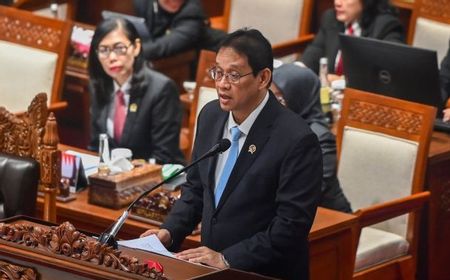
JAKARTA - The government together with the Indonesian House of Representatives (DPR) officially started discussing the Draft Law (RUU) on the Indonesian International Financial Center (PFII). The regulation has entered the 2026 National Legislation Program (Prolegnas) as a government initiative proposal and the academic draft of the PFII Bill has been submitted to Commission XI of the DPR RI as a basis for further discussion. The preparation of this regulation is an order of Article 248A of Law Number 4 of 2026 concerning Amendments to Law Number 4 of 2023 concerning the Development and Strengthening of the Financial Sector (P2SK). The government considers the establishment of PFII to be a strategic step in building a modern, competitive, and international standard financial ecosystem to strengthen the competitiveness of the national economy in the midst of global economic dynamics. Minister of Finance Purbaya Yudhi Sadewa said the establishment of PFII is part of efforts to realize a stronger, inclusive, sustainable, and globally competitive national economy, in line with the Asta Cita program and the national development goals mandated in the 1945 Constitution of the Republic of Indonesia. According to Purbaya, Indonesia needs a special area that is able to accommodate global financial services industry activities while increasing investment attractiveness and strengthening Indonesia's position as an international financial center. "The establishment of the PFII is intended to increase Indonesia's competitiveness as an international financial center, the PFII is expected to be a catalyst for deepening the national financial sector, developing financial sector innovation, increasing investment, facilitating financing of the real sector, national strategic projects, sustainable financing, and strengthening the contribution of the financial sector to Indonesia's overall economic growth," he said in a working meeting with Commission XI of the Indonesian House of Representatives, Thursday, July 2. He explained that the existence of international financial centers has become an important instrument in various countries to attract investment, expand access to financing, encourage financial sector innovation, and strengthen a country's position in the global economic value chain. In addition, Purbaya said that international financial centers are also considered capable of mobilizing global capital more efficiently and creating high-value-added jobs. Purbaya assessed that Indonesia has great potential to become one of the centers of international financial activity because it is supported by a large economic size, a large domestic market, a strategic geographical location, abundant natural resources, and a positive long-term economic growth outlook. "With its large economic size, large domestic market, strategic geographical position, abundant natural resources and improved long-term growth prospects, Indonesia has all the prerequisites to develop into one of the centers of international financial activity in the Asian region and the world," said Purbaya. In the PFII bill, the government proposes the establishment of a special area that is given a number of special characteristics to support business activities in the financial services sector, financial services supporting industries, and other economic activities that support the development of the international financial center ecosystem. Despite having a number of special facilities, Purbaya emphasized that PFII remains an inseparable part of the territory of the Unitary State of the Republic of Indonesia (NKRI) and remains under national legal sovereignty. "To ensure the effectiveness of the implementation of PFII, this bill forms an institutional structure, among others, to carry out the functions of implementation, management, supervision and the court," he explained. In order to increase investment competitiveness, the PFII bill also regulates various ease of doing business, ranging from immigration facilities, employment, residency, licensing, to tax incentives and these facilities are designed to attract long-term investment while encouraging economic activities with high added value. "This policy is expected to increase the attractiveness of Indonesia as a global investment destination, as well as increase the economic benefits received by the community and the national business world." In addition, the government proposes the establishment of a PFII Court which has special authority to handle disputes related to business activities in the PFII area as well as international commercial disputes that have a connection with the area. The existence of a special court is expected to be able to provide legal certainty through a mechanism for resolving disputes quickly, professionally, and credibly so as to further increase investor confidence. Purbaya emphasized that the establishment of the PFII Court was not intended to reduce national legal sovereignty, but to strengthen Indonesia's competitiveness in attracting global investment and the preparation of the provisions has also been carried out through coordination with the Supreme Court. He is optimistic that the benefits of the establishment of PFII will not only be felt by business actors in the region, but will also have a positive impact on the national economy through increased investment, job creation, technology and knowledge transfer, human resource development, and improving Indonesia's competitiveness at the global level. "Based on these considerations, the government hopes that the discussion of the bill on PFII can be carried out constructively to produce regulations that are able to answer the needs of Indonesia's economic development in the future," he said. Information Source: VOI English

多角的分析

経済的影響

インドネシア政府による国際金融センター(PFII)設立に向けた法案審議開始は、同国の経済構造を高度化し、グローバル経済における地位を高めるための重要な一歩です。過去、シンガポールや香港といったアジアの金融ハブが享受してきた恩恵をインドネシアも取り込もうとする試みであり、特に資本市場の深化、国際的な資金調達の円滑化、高付加価値産業の誘致が期待されます。P2SK法改正の流れを汲むこの動きは、金融セクターの規制緩和と国際基準への適合を加速させ、国内経済の持続的成長を後押しする可能性があります。しかし、その実現には、法制度の整備、インフラ投資、人材育成といった多岐にわたる課題への対応が不可欠となります。

投資家心理

PFII設立構想は、国内外の投資家にとって、インドネシア市場への新たな投資機会を提示するものです。特に、税制優遇措置やビジネス上の便宜、そして国際的な紛争解決を迅速に行うためのPFII裁判所の設置は、投資リスクの低減とリターンの向上に寄与すると考えられます。過去、インドネシアは資源国としての側面が強かったですが、PFIIは金融サービス、フィンテック、持続可能な金融といった分野への投資を促進し、ポートフォリオの多様化を求める投資家にとって魅力的な選択肢となる可能性があります。ただし、法制度の安定性や国際的な執行力については、今後の法案の詳細な内容と運用状況を注視する必要があります。

社会的影響

PFIIの設立は、ジャカルタを中心とした都市部における雇用機会の創出や、高度な金融スキルを持つ人材の育成に繋がる可能性があります。また、国際金融センターとしての機能強化は、インドネシア経済全体の発展に寄与し、国民生活の向上に貢献することが期待されます。しかし、その一方で、PFIIが設置される地域への人口流入の増加や、それに伴う不動産価格の上昇、インフラへの負荷増大といった社会的な課題も生じうるため、地域住民への配慮や、格差の拡大を防ぐための政策が同時に求められます。特に、地方と都市部の経済格差が拡大しないよう、PFIIの恩恵が全国に波及するような仕組み作りが重要となります。

市民の声

PFII法案の審議開始は、多くのインドネシア市民にとって、国家経済の発展と将来への期待感をもたらすニュースと言えるでしょう。特に、若年層にとっては、金融分野における新たなキャリアパスが開かれる可能性があり、国際的なビジネス環境で活躍する機会が増えることが期待されます。しかし、PFIIが具体的にどの地域に、どのような形で設置されるのか、そしてそれによって地域経済や生活環境がどのように変化するのかといった点については、まだ不透明な部分も多く、市民の間では関心と同時に、情報へのアクセスや、自身の生活への影響に対する不安も存在すると考えられます。政府は、PFIIのメリットを市民に分かりやすく説明し、その恩恵が広く共有されるように努める必要があります。

背景・歴史的文脈

インドネシアが国際金融センター(PFII)の設立を目指す動きは、同国が経済成長を持続させ、グローバル経済でのプレゼンスを高めるための戦略の一環です。過去、インドネシアはASEAN地域において、その巨大な人口と経済規模にもかかわらず、金融ハブとしての地位をシンガポールや香港に譲ってきました。2023年の金融セクター開発・強化法(P2SK法)は、金融システムの安定化と国際競争力強化を目的としており、今回のPFII法案はその延長線上に位置づけられます。政府は、国内市場の潜在力と地理的優位性を活かし、外国からの投資を呼び込み、金融サービス産業を発展させることで、経済構造の高度化を図ろうとしています。

原文ソース

VOI English

原文を読む