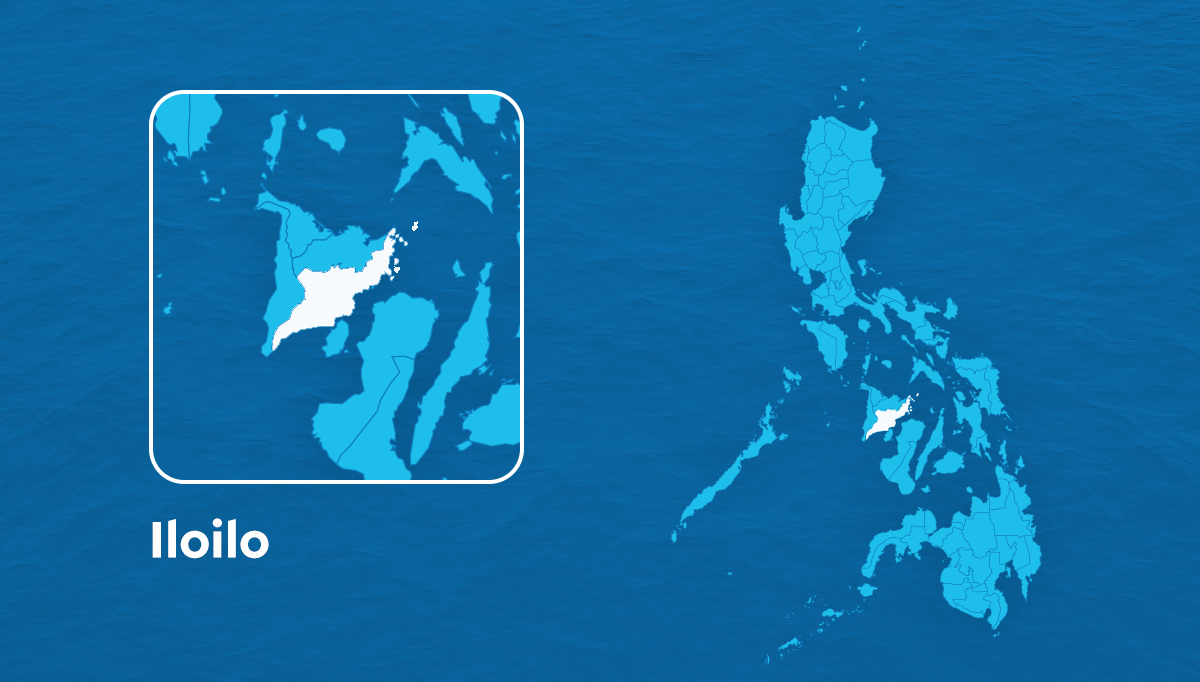
Iloilo City Tightens Livestock Transport and Slaughter Rules
Economy
2026年7月5日
5
Inquirer NewsInfo

Iloilo City Tightens Livestock Transport and Slaughter Rules

AI サマリー

Iloilo City in the Philippines has tightened regulations on the transport and slaughter of livestock, mandating processing within 24 hours and introducing stricter documentation to enhance public health and biosecurity.

ILOILO CITY — The Iloilo City government has significantly tightened regulations on the transport and slaughter of food animals. Effective July 1, 2024, the city government issued Memorandum Order No. 234, introducing updated guidelines governing the movement, acceptance, and slaughter of livestock. This measure aims to protect public health, strengthen biosecurity, and ensure strict compliance with regulatory standards. Under the new rules, all food animals intended for slaughter must be transported directly from their farms of origin to the Iloilo City Slaughterhouse and processed within 24 hours of arriving at the facility. City officials state that this measure will improve animal traceability, reduce biosecurity risks, and ensure that meat entering the market complies with food safety regulations. The required documentation has also been standardized based on the type of livestock and shipment route. A Veterinary Health Certificate (VHC) is mandatory for all livestock shipments, certifying the animals’ health status and identifying their farm of origin. The original document must accompany the shipment throughout transport. For intermunicipal shipments, an Animal Health Clearance (AHC) and a Local Travel Permit issued by the Municipal Agricultural Officer are also required. Livestock transported across provincial boundaries must secure a Bureau of Animal Industry-Veterinary Quarantine Service (BAI-VQS) shipping permit through the agency’s online application system. For cattle and carabao, transporters must also present a Philippine National Police (PNP) clearance to ship or transport large animals, in compliance with anti-cattle rustling laws. Furthermore, all livestock shipments must obtain a disinfection clearance from the point of origin or designated border or port inspection areas to help prevent the spread of animal diseases during transport. Failure to comply with these regulations may result in administrative hold orders, quarantine, or other regulatory sanctions under existing local ordinances and national meat inspection laws. The new guidelines took immediate effect upon issuance and apply to livestock and meat inspection officers, livestock shippers, slaughterhouse personnel, and other concerned stakeholders.

多角的分析

経済的影響

今回の規制強化は、イロイロ市における食肉の安全性を確保し、食品偽装や不衛生な処理による経済的損失を防ぐことを目的としている。家畜の追跡可能性向上は、病気の発生時における迅速な原因特定と封じ込めを可能にし、広範な経済的打撃を回避する上で重要である。また、厳格な書類要件は、不正な流通や密輸の抑制にも繋がり、正規の市場での取引を促進する可能性がある。

投資家心理

投資家にとっては、食肉サプライチェーンにおける透明性と安全性が向上することは、長期的な市場の安定に寄与する。特に食品安全への懸念が高いフィリピン市場において、こうした規制強化は、信頼性の高いサプライヤーへの投資を促す要因となり得る。ただし、初期のコンプライアンスコスト増加や、小規模生産者への影響によっては、一時的な市場の変動も考慮する必要がある。

社会的影響

イロイロ市民にとって、この規則は食卓に上る肉の安全性を高める直接的な恩恵をもたらす。食中毒や動物由来感染症のリスク低減は、公衆衛生の向上に直結する。一方で、輸送業者や食肉処理場関係者にとっては、新たな書類手続きや時間的制約への適応が求められる。特に地方の小規模農家や輸送業者は、これらの変更への対応に苦慮する可能性があり、市当局による十分な情報提供と支援が不可欠となる。

市民の声

イロイロ市民は、食肉の安全性が向上することで、より安心して食事ができるようになる。これまで懸念されていた食品偽装や不衛生な処理のリスクが低減されることは、公衆衛生の観点からも歓迎されるべき動きだ。しかし、これらの規制強化が、食肉の価格にどの程度影響を与えるかは、市民生活にとって重要な関心事となるだろう。また、地方の小規模農家が、新たな要件を満たすために追加の負担を強いられる可能性も考慮する必要がある。

背景・歴史的文脈

フィリピンでは、家畜由来の疾病(アフリカ豚熱など)の発生や、食品偽装、不衛生な食肉処理が公衆衛生上の課題となっている。過去には、不適切な輸送や処理による食中毒事件も報告されており、消費者や当局は常に食品安全への懸念を抱いている。イロイロ市のような地方都市が、独自の規制を強化することは、中央政府の衛生・検疫体制を補完し、地域レベルでの食品安全管理の向上を目指す動きの一環と言える。これは、フィリピン全土で進む、食品安全基準の引き上げとサプライチェーンの近代化という大きな流れに沿ったものと考えられる。

原文ソース

Inquirer NewsInfo

原文を読む