Cambodia Expands Rural Waste Collection with Swiss Support for Circular Economy
Cambodia has launched a Swiss-backed project to expand sustainable waste collection in rural areas, aiming to enhance environmental protection, create green jobs, and foster a circular economy.
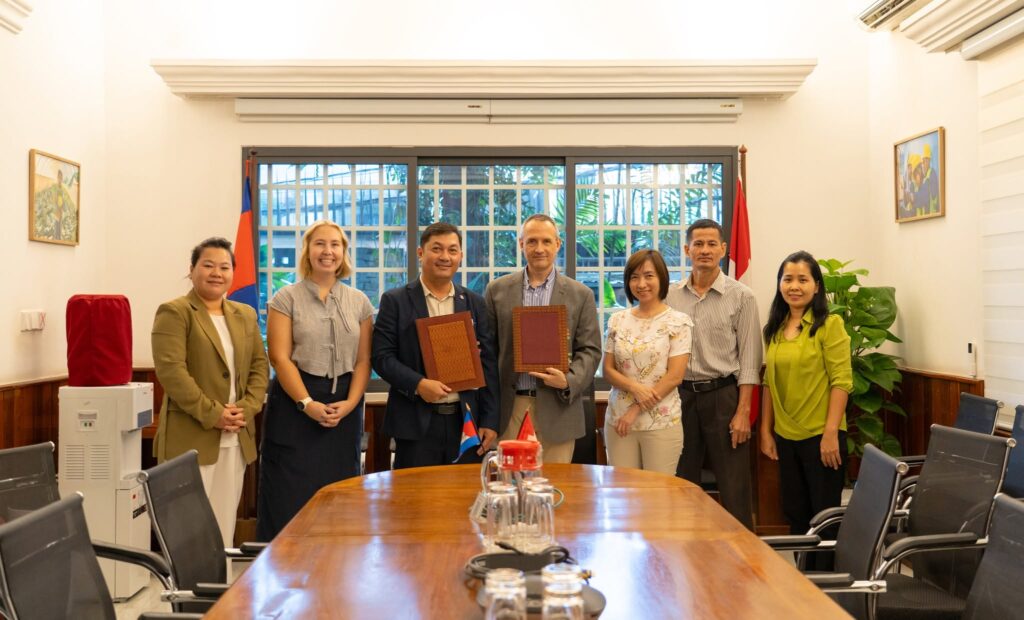
PHNOM PENH, July 2, 2026 (KPT) — Cambodia has launched a new Swiss‑backed initiative to expand sustainable waste collection services in rural communities, aiming to improve environmental protection, create green jobs and strengthen the country’s circular economy, officials said Thursday. The Sustainable Access and Action for Waste Transformation (SAAT) project is implemented by iDE Cambodia with co‑funding from the Swiss Agency for Development and Cooperation (SDC Swiss Cooperation Mekong) and iDE Canada. It will initially focus on Battambang province, where it aims to provide reliable waste collection services to 5,000 rural households. Rather than treating waste as a public burden, the project seeks to transform it into an economic opportunity by supporting local waste enterprises, generating household demand for collection services and helping informal waste collectors — many of them women — grow sustainable businesses. Cambodia generates around 10,000 tonnes of waste daily, yet only about 18 percent of rural households currently have access to formal collection services. With most of the population living in rural areas, many communities resort to burning, burying or dumping waste into waterways and open spaces, polluting farmland and rivers. Officials said the project is expected to improve public health, reduce plastic pollution and strengthen the resilience of rural communities while advancing Cambodia’s transition toward a circular economy. iDE Cambodia said SAAT builds on its market‑based model by incubating local waste enterprises and creating inclusive economic opportunities. “Together with local authorities and market actors, we are building a viable and lasting pathway toward sustainable waste management and a circular economy in rural Cambodia,” the organization said in a statement. The Swiss Agency for Development and Cooperation said the partnership reflects its commitment to supporting innovative approaches to environmental sustainability in the Mekong region.
多角的分析
このプロジェクトは、単なる環境対策に留まらず、ごみを資源として捉え、地域経済の活性化に繋げる「循環経済」の構築を目指している点が注目される。特に、非公式な収集業者(多くが女性)のビジネス支援は、所得向上と雇用創出に直結し、農村部の経済的自立を促進する可能性がある。過去のカンボジアにおける開発プロジェクトでは、インフラ整備に重点が置かれることが多かったが、本件は市場メカニズムを活用し、事業化を支援するアプローチを取っており、持続可能性の観点から新たなモデルとなり得る。しかし、収集した廃棄物のリサイクル・アップサイクルのための技術やインフラ整備が追いつくかどうかが、経済的効果を最大化する上での鍵となるだろう。
本プロジェクトは、スイス開発協力庁(SDC)とiDE Canadaという公的・非営利組織が主導しているため、直接的な投資機会というよりは、社会的インパクト投資(SII)やESG投資の観点から注目される。農村部での廃棄物管理という未開拓市場に、市場ベースのアプローチで参入しようとする試みは、将来的なビジネスチャンスを示唆する。特に、女性の起業家支援は、カンボジアにおけるジェンダー平等の推進という側面からも投資家の関心を引く可能性がある。ただし、初期段階では収益性が限定的である可能性が高く、投資判断には長期的な視点と、現地の規制やインフラ整備の進展を見極める必要がある。
農村部におけるごみ問題は、カンボジアの多くの地域で深刻な公衆衛生上の懸念となっている。焼却、埋却、不法投棄が横行し、農地や河川の汚染、ひいては住民の健康被害に繋がっている。本プロジェクトが5,000世帯を対象に収集サービスを提供することは、これらの問題の直接的な改善に貢献する。さらに、非公式なごみ収集業者、特に女性たちが、より安全で安定した環境で収入を得られるようになることは、生活水準の向上と社会的な地位の向上に繋がるだろう。一方で、プロジェクトの対象地域外の住民への裨益や、収集された廃棄物の適切な処理・再資源化が地域住民の生活にどのような影響を与えるか、継続的なモニタリングが求められる。
農村部では、ごみをどう処理するかは長年の課題だった。これまで、燃やすか、埋めるか、川に捨てるかしか選択肢がない地域が多く、悪臭や病気の原因となっていた。このプロジェクトで、きちんとごみを回収してくれるようになれば、家の周りがきれいになり、健康にも良い影響があるだろう。特に、ごみを集めて売ることで収入を得ていた人たちも、もっと安定して働けるようになると期待している。ただ、回収してもらえない地域はどうなるのか、集められたごみが本当にきれいに処理されるのか、心配な点もある。
背景・歴史的文脈
カンボジアでは、経済発展に伴いごみ排出量が増加しているが、特に農村部では、ごみ収集・処理インフラが未整備な地域が多く、環境汚染や公衆衛生上の問題が長年指摘されてきた。2010年代以降、政府は廃棄物管理の改善を目指し、国際機関やNGOと連携した取り組みを進めてきた。しかし、資金不足や住民の意識啓発の遅れなどが課題となっていた。本プロジェクトは、こうした背景を踏まえ、市場メカニズムを活用し、民間セクターや非公式セクターを巻き込みながら、持続可能なごみ管理システムを構築しようとする試みである。スイス開発協力庁(SDC)は、メコン地域における環境・気候変動対策に重点を置いており、同国の開発協力における戦略の一環として、カンボジアの循環経済への移行を支援している。
原文ソース
Kampuchea Thmey English