General articles are free for 24 hours after publish.
Typhoons May Bring Unprecedented Rainfall in Philippines Due to Warming Atmosphere, UP Study Finds
A University of the Philippines study indicates that typhoons could bring unprecedented rainfall to the Philippines due to a warming atmosphere. Increased atmospheric water vapor is identified as the primary driver, necessitating a reevaluation of disaster preparedness strategies.
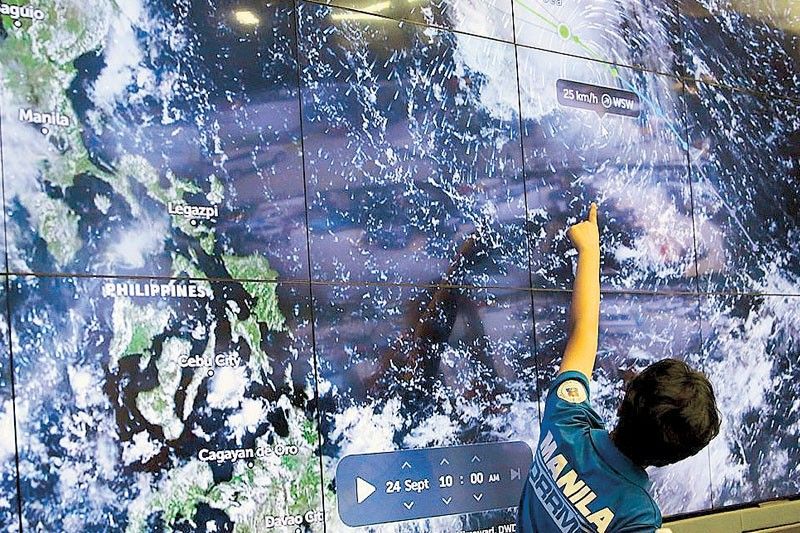
MANILA, Philippines — Typhoons could bring unprecedented rainfall as the atmosphere warms, according to a 2026 study by experts from the University of the Philippines. Researchers from the UP Institute of Environmental Science and Meteorology Climate and High Impact Weather Laboratory, led by Rafaela Jane Delfino, said the atmosphere can hold roughly seven percent more water vapor for every degree Celsius of warming, citing the Clausius-Clapeyron relationship. The scientists said typhoons such as Super Typhoon Yolanda are highly efficient at drawing moisture and converting it into precipitation. Additional moisture from warming was the dominant driver for tropical cyclones Yolanda, Pablo and Ompong, while storm dynamics varied from cyclone to cyclone. “With the findings of our paper, it becomes very important to know in advance where a typhoon will pass, where it will make landfall, and where it will go afterward,” Delfino said. Urging a shift in how the country prepares for disasters, researchers she said disasters should not be understood or prepared for as isolated events. Meanwhile, Tropical Storm Queenie is expected to intensify into a typhoon over the weekend, the Philippine Atmospheric, Geophysical and Astronomical Services Administration said yesterday. PAGASA weather specialist John Manalo said Queenie (Surigae) may develop into a typhoon near the boundary of the Philippine area of responsibility. As of 4 p.m. yesterday, Queenie was 755 kilometers east of Basco, Batanes, packing winds of 85 km per hour and gusts of up to 105 kph while moving west-northwest at 20 kph. The intertropical convergence zone will bring cloudy skies with scattered rains and thunderstorms over Negros Island Region, Central Visayas, Zamboanga Peninsula, Northern Mindanao, Caraga, Davao Oriental and Basilan. — Josiah Antonio
Original source
Philstar Nation