Philippine Factory Activity Surges to Near Decade High in August on Strong Demand, Easing Inflation
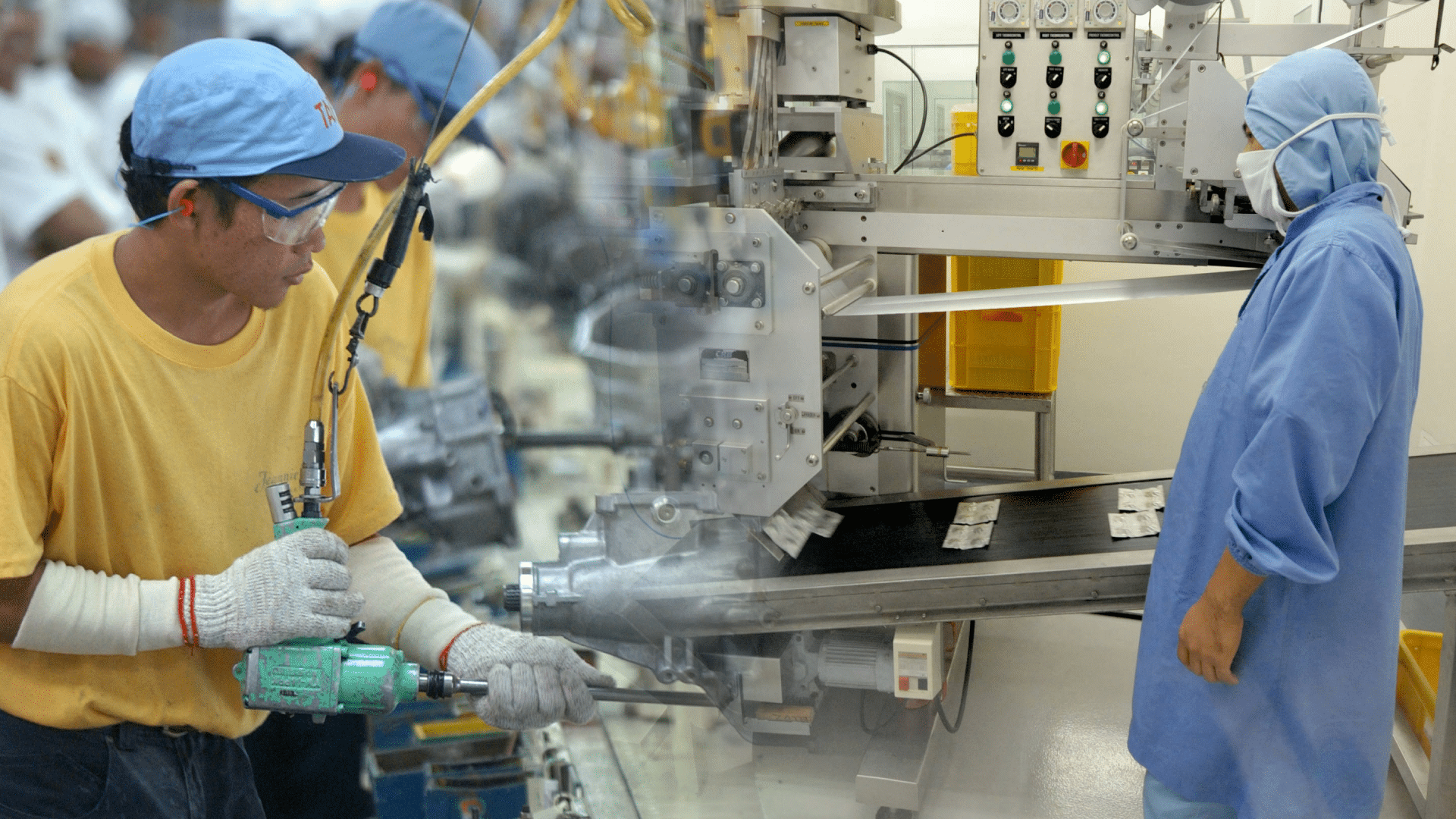
Philippine factory activity in August reached its highest level in nearly a decade, since December 2016, driven by increased new orders and easing inflationary pressures. Production expanded at its fastest pace since 2016, with employment also rising.
This article requires PRO
This article is outside the free access window or is a special report. PRO unlocks it and the full archive.
Related articles
- PH inflation eased further to 6.1% in Aug
Philippine inflation eased to 6.1% in August, down from 6.2% in July, as slower price increases in food, housing, and utilities offset rising transport costs. Despite the continued decline, the rate remains well above the central bank's target, with rice and transportation costs posing significant pressures on households. Concerns linger about the impact of adverse weather on food prices.
- Philippine Business Confidence Dips Amid Geopolitical Tensions and High Oil Prices
Philippine business confidence declined in July due to renewed Middle East tensions and high oil prices, impacting costs and future outlook. Persistent inflation concerns and monetary tightening are weighing on corporate sentiment.
- Philippine stocks extend gains on softer inflation, but rate concerns temper sentiment
Philippine stocks extended their gains for a second consecutive session, buoyed by a slight easing in August inflation. However, persistent concerns over interest rates and a weak peso kept investor sentiment cautious, as inflation remains significantly above the central bank's target. Trading volume was also subdued.
- Philippines Inflation Cools to 6.1% in August on Slower Food Price Gains
Inflation in the Philippines eased to 6.1% in August from 6.2% in July, reaching a five-month low, primarily driven by a slowdown in food price increases. Despite a decline in vegetable prices, rice costs remain elevated, and concerns linger over potential price hikes due to El Niño and recent floods.