General articles are free for 24 hours after publish.
Vietnam's Mu Cang Chai Seeks 'Catalyst' for Tourism Potential
Mu Cang Chai in northern Vietnam, known for its terraced fields and H'Mong culture, is a growing tourist destination. However, to achieve sustainable development, it requires a stronger 'catalyst' including infrastructure upgrades and diversified tourism products. Local residents and businesses are seeking more systematic support.
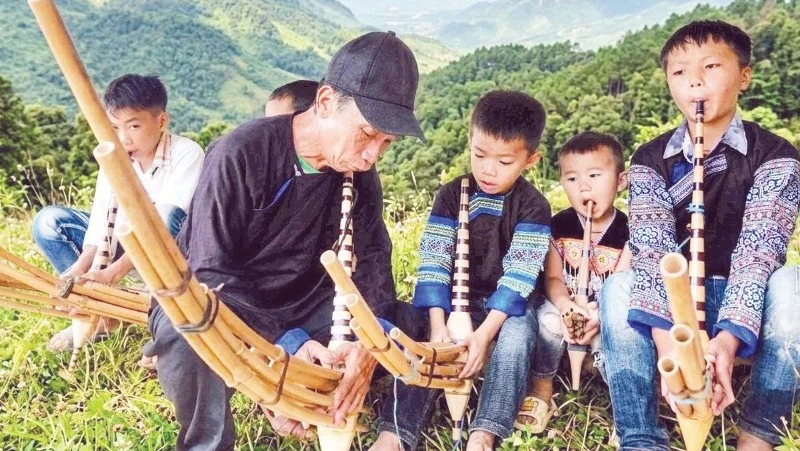
Mu Cang Chai, nestled in the mountainous region of northern Vietnam, is emerging as a key tourist destination, drawing both domestic and international visitors with its breathtaking terraced rice fields and the vibrant cultural heritage of the H'Mong ethnic group. It is also poised to connect with other popular tourist hubs in the province, such as Sa Pa, Tu Le, and Nghia Lo. The region's most significant draw is its UNESCO-recognized terraced rice fields, a testament to generations of meticulous cultivation by the H'Mong people. The vista of golden rice paddies cascading down the hillsides is a magnet for photographers and travelers alike. Mu Cang Chai also boasts substantial potential for experiential tourism, including cultural immersion and adventure activities, allowing visitors to engage with traditional H'Mong ways of life, music, and artisanal crafts. Giàng A Lù, a H'Mong local born in 1986, operates the 'Leuu Gio' homestay. Situated strategically to overlook the rice terraces and the serene Nam Kim River, his establishment offers reasonably priced lodging and local delicacies. Leveraging his background as a former radio reporter, A Lù also provides services such as photography and guided tours, which have garnered popularity, particularly among younger travelers. Cố Trường Khánh, proprietor of 'Mu Cang homestay,' which primarily caters to international clientele, addresses the demand for unique experiences like winter mountain stays, hands-on farming activities such as planting and harvesting rice, and participation in traditional H'Mong dances and blacksmithing. Khánh emphasizes the need for developing sustainable, year-round tourist routes and enhancing the infrastructure of existing attractions. He also advocates for stronger branding of products created by local artisans. Lê Xuân Dương, the Head of Social Affairs for Mu Cang Chai commune, speaks to the distinctiveness of H'Mong cuisine. He notes that ingredients sourced from local farming and animal husbandry—including black chicken, black pork, paddy carp, various vegetables, taro, peanuts, and pumpkins—retain high nutritional value and unique flavors due to their limited exposure to industrial farming methods. The culinary landscape also includes the rich traditions of the Thai ethnic group, featuring dishes prepared with bamboo shoots, seasonal insects, and wild herbs, thereby satisfying a wide range of tourist palates. However, a significant challenge remains: many tourism service providers operate on an ad-hoc, small-scale basis, undermining long-term sustainability. The region faces a shortage of adequately trained tourism professionals. Furthermore, the branding of local agricultural and forestry products is nascent, with few distinctive souvenirs available. Consequently, certain products like honey, black pork, and wild apples are at risk of losing their market identity. For Mu Cang Chai to solidify its appeal and retain visitors through both domestic and international tours, strategic initiatives are essential. These include developing tourism opportunities within forest ecosystems and addressing land-use policy impediments. Such measures would create a stable environment for businesses to make long-term investments, thereby preventing the current practice of reactive development driven by immediate visitor demand for accommodation.
Original source
Nhan Dan