Mercury-Laced Skin Products Flood CDO Markets, Watchdog Warns
An environmental watchdog group, BAN Toxics, has issued a stark public health warning after discovering that illegal skin-lightening products containing high levels of mercury are openly flooding major markets in Cagayan de Oro City, Philippines, despite existing bans by the Food and Drug Administration (FDA). These products are readily accessible and pose significant risks to public health and the environment.
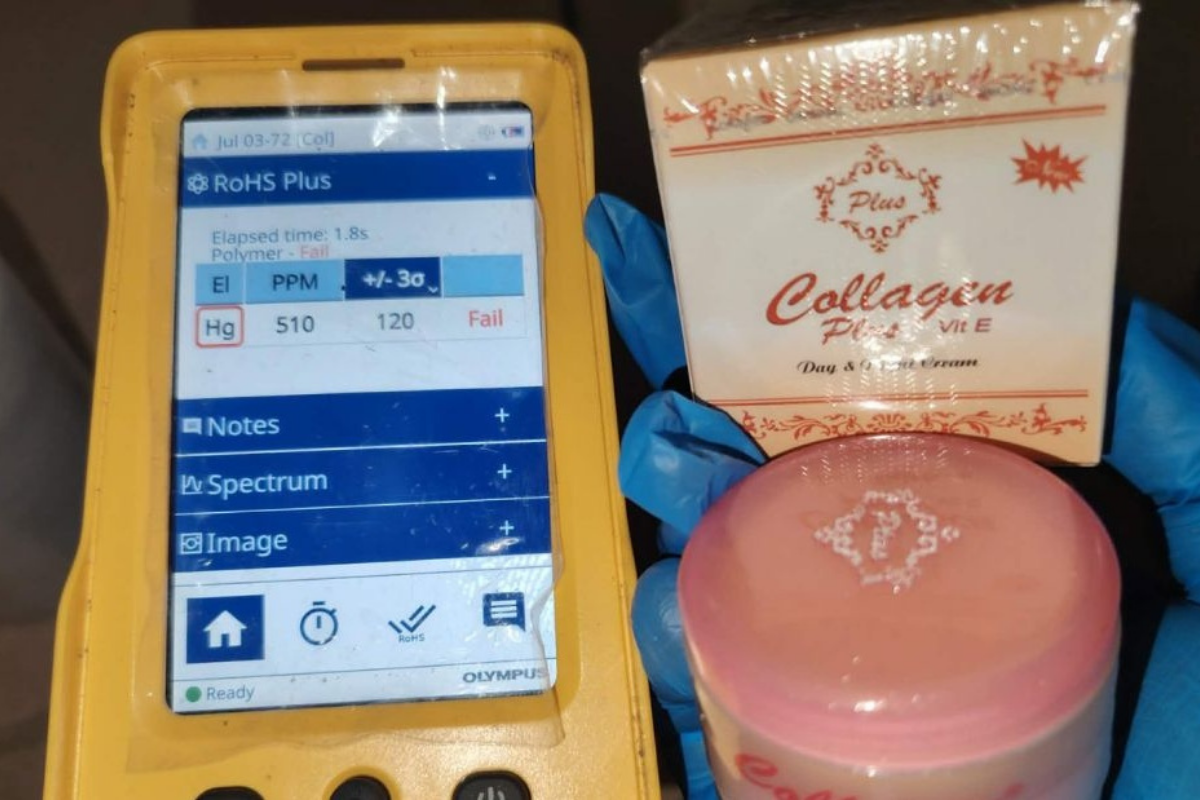
CAGAYAN DE ORO CITY, Philippines — Environmental watchdog BAN Toxics has issued a stern public health warning after discovering that prohibited skin-lightening products containing dangerous levels of mercury are openly flooding major public markets in this city. The group purchased 11 skin-lightening cosmetics from various beauty shops inside the Cogon and Carmen public markets between June 30 and July 2. Retailing for as low as P60 to P330, the products remain highly accessible to local consumers despite standing bans from the Food and Drug Administration (FDA). In an interview with the Inquirer on Sunday, July 5, Thony Dizon, BAN Toxics advocacy and campaign officer, said it was alarming that these whitening products continue to be sold despite FDA advisories marking them “prohibited for use and sale” due to their toxic mercury content, which damages both health and the environment. READ: EcoWaste to gov’t: Clamp down on online sale of mercury-laced products Using an X-ray fluorescence (XRF) chemical analyzer, BAN Toxics discovered that the samples contained mercury levels ranging from 510 parts per million (ppm) to a staggering 78,000 ppm. This vastly exceeds the maximum allowable limit of 1 ppm established under the Minamata Convention on Mercury, the Asean Cosmetic Directive, and the Department of Environment and Natural Resources (DENR). The chemical screening flagged several products, including the following: According to the Zero Mercury Working Group (ZMWG), mercury is frequently added to these formulations because it suppresses melanin production to lighten skin tone. However, the World Health Organization (WHO) classifies mercury in skin care as a “major public health concern.” For Esmeralda Pedroza, a beauty shop owner at a Barangay Indahag relocation site, the toxics warning threatens both her customers’ safety and her livelihood. “I source these products from Cogon because they are inexpensive, allowing me to make a modest profit since my shop is far from the city center. But what is truly terrifying is that I use these products myself, not just my customers,” Pedroza told the Inquirer on Sunday. READ: Banned creams with mercury sold in Cebu The hazard extends beyond the direct user. Dizon warned that adults applying these creams can unwittingly expose family members through close physical contact, a risk so severe it could require household decontamination. Dizon, who returned to Manila on Saturday, July 4, noted that the group had already reported the findings to the FDA and is awaiting regulatory action. However, they also plan to lobby the Cagayan de Oro city government to tighten border security against smuggled cosmetics and launch swift enforcement operations to clear local markets. Dizon pointed to the need for a local law explicitly penalizing the sale of mercury-laced cosmetics and said they will work for its legislation by the city council. City Health Office chief Rachel Dilla could not be immediately reached for comment on Sunday. /atm
多角的分析
水銀入り化粧品の低価格帯での流通は、フィリピン経済における貧困層の購買力と、規制の緩い市場での利益追求との間の複雑な関係を示唆している。これらの製品は、低所得者層にとって手頃な美容オプションを提供している一方で、健康被害による長期的な医療費負担や生産性低下という経済的コストを無視している。規制当局の対応の遅れは、これらの製品の輸入・流通に関わる不法な経済活動が、一時的な利益のために公衆衛生を犠牲にしている可能性を示唆している。
このニュースは、フィリピンの消費者製品市場における規制遵守と製品安全性のリスクを投資家に警告している。水銀入り化粧品のような違法・危険な製品が市場に流通している事実は、サプライチェーンの透明性と品質管理の脆弱性を示唆しており、正規の事業者は不当な競争に直面する可能性がある。投資家は、フィリピン市場への参入または拡大を検討する際、製品規制、偽造品対策、および消費者保護に関する現地の法規制と執行状況を慎重に評価する必要がある。
カガヤン・デ・オロ市の市場で水銀入り化粧品が氾濫している状況は、美容への願望と健康リスクの間の深刻なトレードオフを浮き彫りにしている。特に、美容店経営者のEsmeralda Pedroza氏が述べているように、低所得者層にとって、これらの安価な製品は経済的な選択肢であるが、同時に自身や家族の健康を危険に晒すことになる。また、BAN ToxicsのThony Dizon氏が指摘するように、家庭内での二次的な曝露リスクは、公衆衛生上の課題をさらに複雑化させている。これは、消費者の健康意識の向上と、より厳格な製品監視体制の必要性を示唆している。
カガヤン・デ・オロ市の市民、特に美容店経営者のEsmeralda Pedroza氏や、これらの製品を購入する可能性のある消費者は、手頃な価格で美容効果を得たいという願望と、水銀による健康被害という潜在的リスクの間で板挟みになっている。Pedroza氏が語るように、自身も顧客もこれらの製品を使用しているという事実は、健康への無知や、より安全な代替品の入手困難さを示唆している。BAN Toxicsの警告は、市民が直面する健康上の危険を具体的に示しており、当局による迅速な対応が求められている。
背景・歴史的文脈
フィリピンでは、肌を白くすることが美の基準とされる文化が根強く、美白化粧品への需要が高い。この需要に応える形で、過去にも水銀などの有害物質を含む違法な美白化粧品が流通し、公衆衛生上の問題となってきた。2008年の水俣条約発効以降、水銀入り化粧品の製造・販売は国際的に禁止されているが、フィリピン国内では、食品医薬品局(FDA)による規制や監視活動にもかかわらず、低価格で容易に入手できることから、依然として市場に流入し続けている。特に、地方市場やオンライン販売チャネルでの取り締まりが課題となっている。
原文ソース
Inquirer NewsInfo