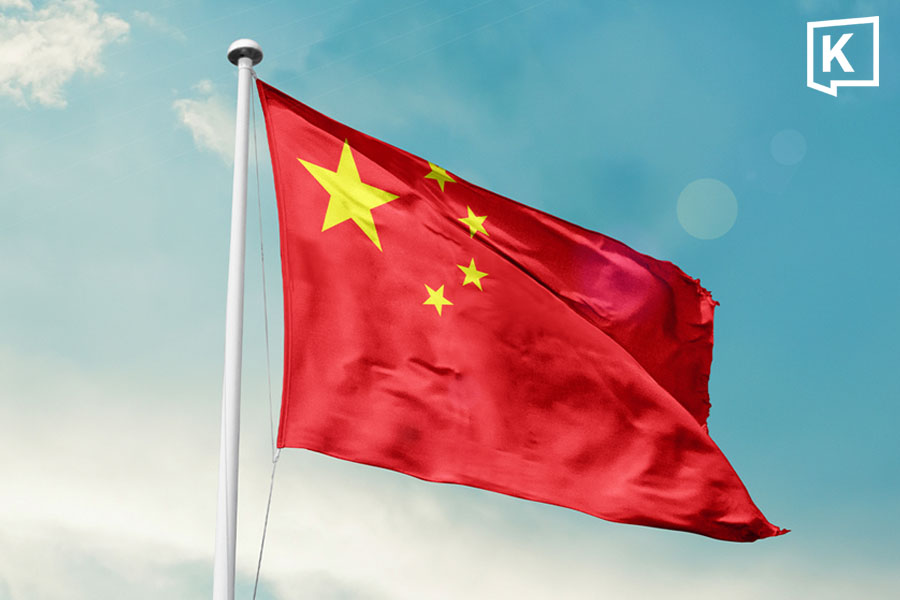
China's Growing Influence Calls for a Measured Thai Response
Diplomacy
2026年7月16日
5
Khaosod English
Relations
🇹🇭Thailand🇨🇳China

China's Growing Influence Calls for a Measured Thai Response

AI サマリー

Concerns are mounting in Thailand over China's growing influence, with issues such as fraudulent registrations, environmental pollution, and interference with press freedom emerging. The Thai government and public are urged to adopt a calm and strategic response.

Tensions are mounting among Thais who are increasingly alarmed about China’s growing influence and role in Thailand. Four issues have emerged that patriotic Thais should, at the very least, be concerned about and contemplate within the larger context of Sino-Thai relations. First, there is the ongoing crackdown on cases involving children allegedly fraudulently registered as Thai despite being born to Chinese parents. As of press time, dozens of cases have emerged, with several Thai and Chinese nationals arrested. The Thai government has ordered nationwide scrutiny of other potential cases. One must ask: What is the ultimate goal of such deception? Are these long-term attempts by suspected Chinese criminals to embed Chinese interests driven by economics, or worse, a coordinated political effort to position future Manchurian candidates who could seek to run the Thai government a few decades from now? While the intended goal is inconclusive, it is not far-fetched to consider this a potential threat to national security, and not just the actions of some small-time Chinese criminals. Some have already expressed such concerns. Then there are the anti-mining demonstrations outside the Chinese Consulate in Chiang Mai and the Chinese Embassy here in Bangkok. Protesters accuse Chinese companies of mining in neighbouring Myanmar that, they say, have caused toxic pollution, rendering the Kok River in northern Thailand unsafe to drink from and its fish unsafe to eat, and potentially affecting hundreds of thousands of people, if not more. The Chinese Embassy has flatly denied that Chinese companies were involved. However, the main opposition People’s Party is taking the matter seriously and submitted a petition concerning it to the Chinese ambassador earlier this week. These two issues in themselves pose potential problems for Thai-Chinese relations, but the Chinese Embassy further complicated matters last week by “requesting” that the Thai press exercise self-censorship. It did not take long for some Thai journalists to say that the Chinese Embassy had contacted their media outlets in an attempt to have them censor images of Thai protesters wearing masks depicting Chinese President Xi Jinping. While some Thai media outlets yielded to the “requests”, others did not. One veteran journalist from a major Thai-language mainstream mass media outlet told this writer that the embassy had made such behind-the-scenes approaches. When this writer noticed that a report by the Thai public broadcaster Thai PBS had blurred the faces of demonstrators wearing masks depicting Xi and posted about it on social media, the post eventually prompted two activists to demand an explanation from the news organisation. They met with the station’s director, Vanchai Tantiwitayapitak. One of the activists who met with Vanchai last Friday later told this writer that the director had acknowledged facing pressure from “Chinese authorities” but decided after the meeting to restore the unblurred photos, adding that no other instances of self-censorship had been found. The interference by the Chinese Embassy was greeted with silence by the Thai Journalists Association—the same organisation that has, for many years, organised familiarisation trips to China for Thai journalists with funding from the Chinese Embassy. In Tuesday, a reliable source also confirmed to this writer that, last month, the Chinese Embassy asked Thailand’s Ministry of Foreign Affairs to intervene and stop the Foreign Correspondents’ Club of Thailand (FCCT) from screening a documentary. The film, Blood Copper, was scheduled to be screened on 15 June 2026, and examines the environmental and human rights impacts of a Chinese-backed mine in Myanmar. The censorship attempt ultimately failed. This record of behind-the-scenes pressure serves as a stark reminder of the ongoing threats to press freedom and freedom of expression, as well as attempts to impose China’s model of media censorship on the Thai press. Siracha district in Chonburi province, particularly the Bo Win area, is another flashpoint, with local residents and the media paying closer attention to what appears to be an emerging, self-contained mini-Chinatown dominated by Chinese-language shop signs. While it’s rare for someone to be concerned about signs posted in English as these are obviously important for tourism and travel, it must be noted that these English-language signs are not put up by a single national group and in most cases put up by Thai business operators themselves. These signs primarily serve all customers, not just English-speaking foreigners, while the Chinese case is one that primarily serve Chinese nationals – thus the growing concerns. Nevertheless, Thais should remain calm and vigilant instead of overreacting. Calls for Thailand to isolate itself from China are unrealistic. Even countries with maritime territorial disputes with China, such as Vietnam and the Philippines, have not done so. Thais in both the public and private sectors will have to become more tactful in neutralising the harmful or coercive forms of Chinese influence. They must also refrain from the simplistic over-generalisation of all Chinese people as cunning or criminal-minded. China and the Chinese people are not interchangeable, and Chinese people are not inherently malevolent. And here’s a message to the Chinese Embassy: Please do not interfere with the Thai press. This is counterproductive to good relations between Thailand and China. Recognizing this sooner rather than later could prevent bilateral relations from taking an unnecessarily rough road in the foreseeable future. The post China’s Growing Influence Calls for a Measured Thai Response appeared first on Khaosod English.

多角的分析

経済的影響

中国のタイにおける経済的影響力拡大は、タイ経済の成長を促進する可能性がある一方で、国内産業への過度な依存や、中国の経済的圧力に対する脆弱性を高めるリスクも孕んでいます。特に、中国企業によるインフラ投資や不動産開発は、短期的な経済効果をもたらしますが、長期的な視点では、タイ経済の主導権が失われる懸念も指摘されています。また、中国からの観光客への依存度が高まることで、地政学的なリスクがタイ経済に波及する可能性も否定できません。

投資家心理

タイへの投資を検討する投資家にとって、中国の影響力拡大は複雑な要素となります。中国系企業との連携や、中国市場へのアクセスを強化する機会がある一方で、タイ国内の政治的安定性や、報道の自由への懸念は、投資リスクを高める要因となり得ます。特に、中国政府によるタイ国内メディアへの圧力は、情報開示の透明性を低下させ、投資判断を難しくする可能性があります。投資家は、中国の影響力とタイの国益とのバランスを慎重に見極める必要があります。

社会的影響

タイ社会における中国の影響力拡大は、国民の間に様々な摩擦を生じさせています。偽装登録問題は、タイのアイデンティティと国籍管理に対する懸念を引き起こしています。また、ミャンマーからの越境汚染問題は、タイ国民の健康と生活環境への直接的な脅威となり、中国企業への不信感を増幅させています。さらに、報道の自由への介入は、タイ社会の開かれた議論の場を狭め、国民の知る権利を侵害するものです。ボーウィン地区のような「ミニ・チャイナタウン」の出現は、文化的な摩擦や地域社会との統合に関する課題を提起しています。

市民の声

タイ国民にとって、中国の影響力拡大は、生活の質や将来への不安に直結する問題です。偽装登録問題は、タイ国民の権利が侵害される可能性を示唆し、治安への懸念も生んでいます。ミャンマー国境付近の住民は、中国企業の採掘活動による環境汚染に直接苦しんでおり、健康被害や生活基盤の喪失に直面しています。また、報道の自由の制限は、政府の政策決定プロセスや、社会問題に対する国民の声を反映させる機会を奪うことにつながりかねません。ボーウィン地区のような変化は、地域住民の生活様式やコミュニティのあり方に影響を与えています。

背景・歴史的文脈

タイと中国の関係は、歴史的に経済的結びつきが強い一方で、近年の中国の経済的・地政学的な台頭により、その関係性はより複雑化しています。特に、中国の「一帯一路」構想の下でのインフラ投資や、南シナ海問題におけるタイの立場など、地政学的な文脈での中国の影響力増大は、タイ国内で議論を呼んでいます。過去には、タイの政治的混乱に乗じた中国の経済的浸透への懸念も指摘されてきました。今回の報道で取り上げられている偽装登録、環境問題、報道の自由への介入といった事象は、こうした長年にわたる中国の影響力拡大という構造的な背景の中で発生しており、タイ社会の主権と国益を守るための対応が模索されています。

原文ソース

Khaosod English

原文を読む