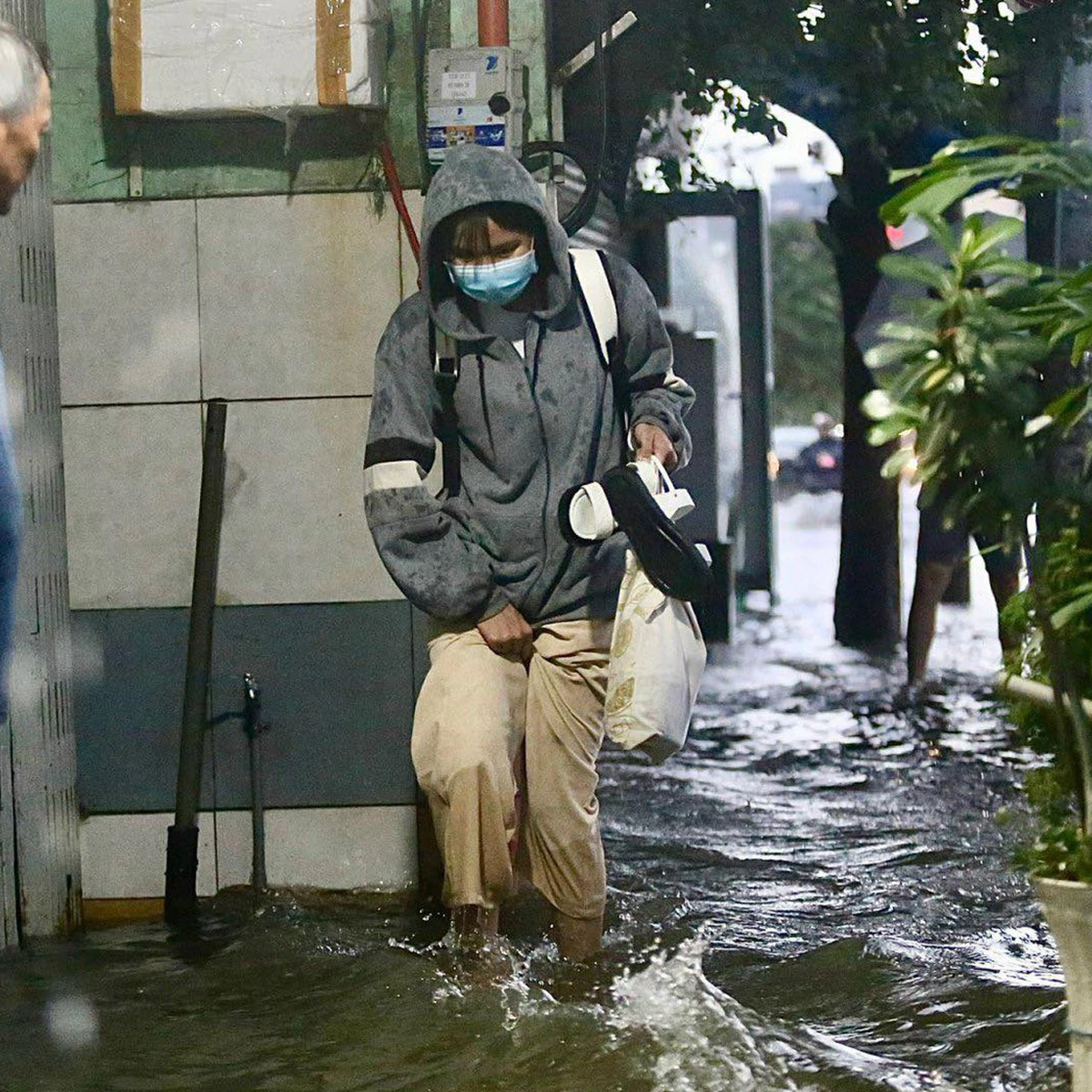
Southern Vietnam Braces for Combined Flood Risk from High Tides and Heavy Rain
Southern Vietnam faces an elevated flood risk due to the convergence of high tides and increasing rainfall. Ho Chi Minh City and surrounding areas are particularly on alert for potential inundation during the upcoming full moon tide of the lunar calendar's ninth month.
Read up to 3 eligible full articles per Japan day (JST) for free
Create a free account to open up to 3 eligible full articles per Japan calendar day (JST). Headlines and summaries remain available across ASEAN 7.
Related articles
- Vietnam Endures Heatwave Amidst Localized Heavy Rainfall Warnings
On October 26th, many regions across Vietnam will continue to experience heatwaves with temperatures expected to exceed 34 degrees Celsius. However, localized heavy rainfall is forecast for Tuyen Quang and Nghe An provinces, prompting warnings for flash floods and landslides. Rainfall is anticipated mainly in the afternoon and evening in the Central and Southern regions.
- Da Nang Reserves Over 4,000 Tons of Rice to Counter Flood Disruption
Da Nang City in central Vietnam is stockpiling over 4,000 tons of rice and other essential goods to prepare for prolonged isolation due to heavy rains and floods. This is part of the city's disaster management plan to ensure swift support for residents during emergencies.
- Giant Sinkhole in Central Vietnam Hosts Ancient Primeval Forest
A massive sinkhole discovered in central Vietnam has revealed a thriving primeval forest and rich ecosystem at its base. A team of experts' survey suggests this new geological feature may be part of the region's 400-million-year-old karst landscape.
- Vietnam's National Assembly Debates Environmental Protection Law Amendment to Boost Green Transition
Vietnam's National Assembly is deliberating amendments to the Environmental Protection Law during its 16th legislature's second session. The proposed changes aim to strengthen post-inspection and promote green transition, with a focus on streamlining procedures without reducing environmental protection responsibilities. The misuse of land incentives for cultural industries for real estate business was also discussed.