Thailand aims to conclude EU FTA talks this year despite lingering agricultural, raw material differences
Thailand aims to finalize its Free Trade Agreement (FTA) negotiations with the European Union by year-end, though differences persist over agricultural products and raw materials. Prime Minister Anutin Charnvirakul expressed readiness to attract investment and conclude the FTA talks during a meeting with EU business representatives.
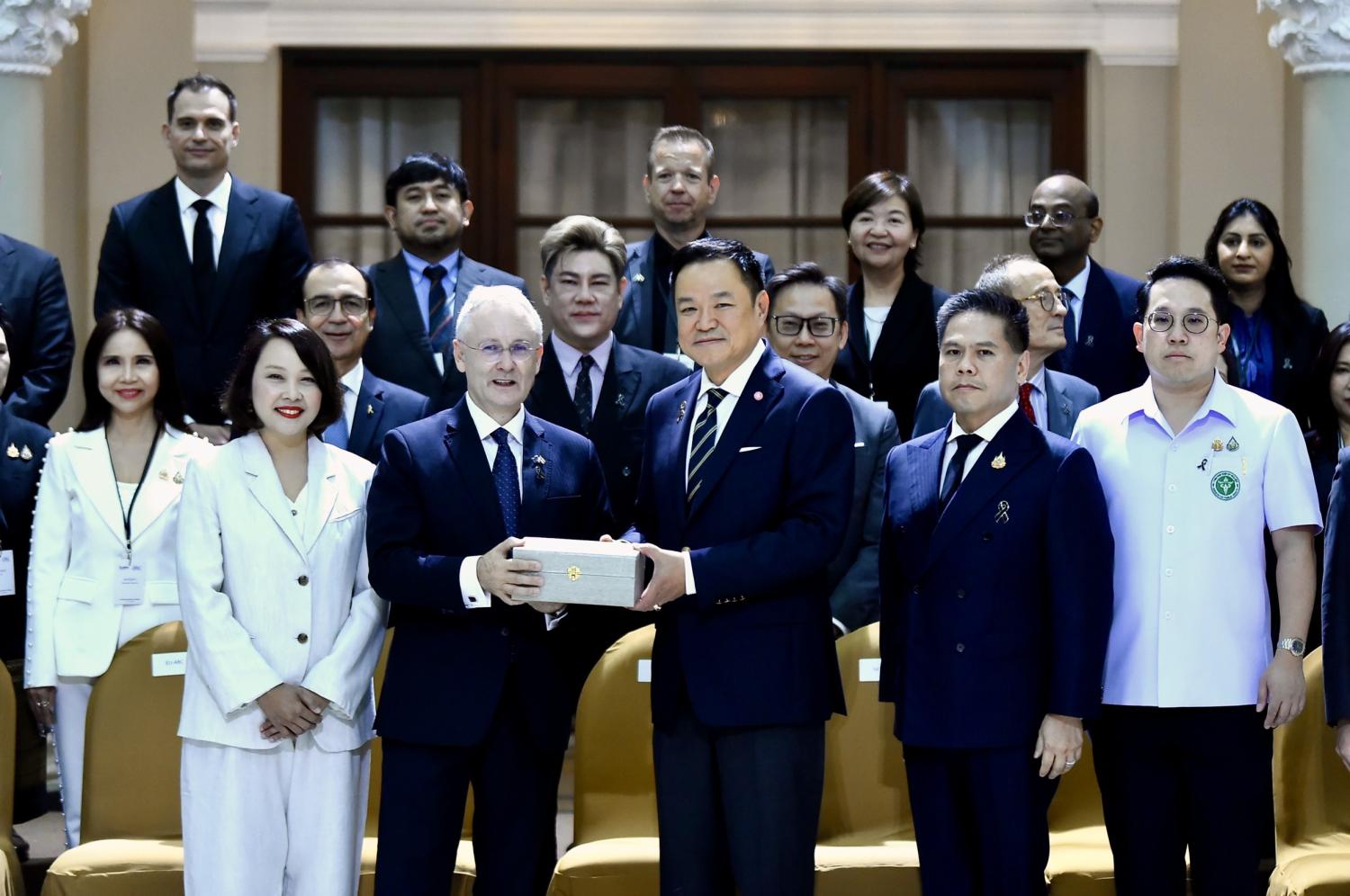
Thailand aims to conclude free trade agreement (FTA) negotiations with the European Union (EU) by the end of this year, although differences over agricultural products and raw materials remain unresolved. Prime Minister Anutin Charnvirakul made the remarks on Thursday after meeting senior representatives from European business organisations and more than 40 European companies at Government House. Government spokeswoman Rachada Dhnadirek said Mr Anutin welcomed representatives from the EU-Asean Business Council (EU-ABC), the European Association for Business and Commerce (EABC), and companies from nine key industries to discuss trade, investment and economic cooperation. Mr Anutin said European businesses had reaffirmed their interest in expanding investment in Thailand and praised the government's efforts to maintain dialogue with the private sector. He said Thailand was ready to attract investment, promote tourism and strengthen its role as a regional manufacturing base, while seeking European support to conclude FTA negotiations by year-end. The prime minister acknowledged that the talks had slowed during the final stage as both sides worked to resolve differences over sensitive issues. A successful agreement would boost bilateral trade and allow Thai exporters to access European markets without tariff barriers, he said. Asked about the remaining obstacles, Mr Anutin said the key issues involved raw materials and agricultural products, adding that the government needed to proceed carefully to protect the interests of all parties. A source familiar with the negotiations said the EU has strict requirements on the origin of agricultural raw materials, including environmental standards, anti-deforestation measures and chemical use. The bloc also has rules of origin determining the proportion of domestic or partner-country inputs required for products to qualify for zero tariffs. European business representatives reaffirmed Thailand's position as an attractive investment destination due to its strategic location, manufacturing capacity and skilled workforce, Ms Rachada said. They also expressed support for the Thailand-EU FTA and Thailand's bid to join the Organisation for Economic Co-operation and Development (OECD), while proposing closer cooperation in manufacturing, life sciences, food, finance, the digital economy and artificial intelligence.
多角的分析
タイがEUとのFTA交渉を年内妥結させようとする動きは、タイ経済の輸出依存度と、EU市場へのアクセス拡大による成長促進の期待を示唆している。しかし、農産物や原材料におけるEUの厳格な基準(環境、森林破壊防止、化学物質使用、原産地規則)は、タイの既存の生産体制やサプライチェーンに再編を迫る可能性がある。特に、小規模農家や中小企業がこれらの基準を満たすための投資や技術移転が必要となり、国内産業の競争力格差を拡大させるリスクも考えられる。FTA締結は、タイの製造業全体を高度化させる契機となりうる一方、基準未達の分野では輸出機会の損失につながりかねない。
EUとのFTA交渉の進展は、タイへの外国直接投資(FDI)にとって朗報となりうる。特に、EU市場へのアクセスが容易になることで、タイを製造拠点とする欧州企業にとっては、関税負担の軽減とサプライチェーンの効率化が期待できる。しかし、EUが要求する環境基準や原産地規則の厳格化は、新規投資の判断材料となる。これらの基準を満たすための追加コストや、タイ国内の関連インフラ整備の遅れが、投資判断を鈍らせる可能性もある。投資家は、FTA締結の恩恵と、それに伴う規制強化のリスクの両面を慎重に評価する必要がある。
タイとEU間のFTA交渉における農産物や原材料の基準は、タイ国内の小規模農家や地域経済に直接的な影響を与える可能性がある。EUの環境基準や化学物質使用に関する厳格な規制は、従来の農法を採用する生産者にとって、生産方法の変更や追加投資を余儀なくされる状況を生み出す。これにより、一部の生産者は市場から排除されるリスクに直面するかもしれない。一方で、基準を満たし、高付加価値の農産物を生産できる生産者は、新たな市場機会を得る可能性がある。この格差は、タイ国内の所得格差や地域間格差をさらに広げる懸念がある。
タイ市民、特に農村部や一次産業に従事する人々は、EUとのFTA交渉の結果に間接的、あるいは直接的に影響を受ける可能性がある。EUが求める環境基準や農薬使用に関する規制強化は、タイ国内の食品安全基準の見直しや、農産物の生産コスト上昇につながるかもしれない。これにより、食料品価格の上昇が懸念される。また、FTA締結によってタイの輸出競争力が高まれば、経済成長を通じて雇用機会の創出や所得向上につながる可能性もあるが、その恩恵が国内全体に均等に行き渡るかは不透明である。市民は、生活必需品の価格動向や、新たな雇用機会の有無に注目することになるだろう。
背景・歴史的文脈
タイとEUのFTA交渉は、2015年に一度中断された後、2023年3月に再開された。EUは、タイがASEAN地域における重要な経済パートナーであると同時に、人権や民主主義、持続可能性といった価値観の共有を重視している。特に、農産物や原材料に関するEUの要求は、グローバルサプライチェーンにおける環境規制強化の流れを反映したものであり、EU域内だけでなく、輸入製品に対しても同様の基準を適用する傾向が強まっている。タイは、OECD加盟を目指しており、EUとのFTA締結はその目標達成に向けた重要なステップと位置づけられている。しかし、国内の農業団体や一部産業からは、EUの基準を満たすことへの懸念や、交渉におけるタイの国益保護を求める声も上がっている。
原文ソース
Bangkok Post