General articles are free for 24 hours after publish.
Vietnam Deploys Satellite Internet to Bridge Connectivity Gaps
Vietnam has begun deploying satellite internet to areas with no or unstable mobile phone coverage. The initiative aims to ensure connectivity in remote, mountainous, or sparsely populated regions where terrestrial infrastructure investment is challenging. Starlink has commenced trial services, and the government is pushing for rapid deployment in priority zones.
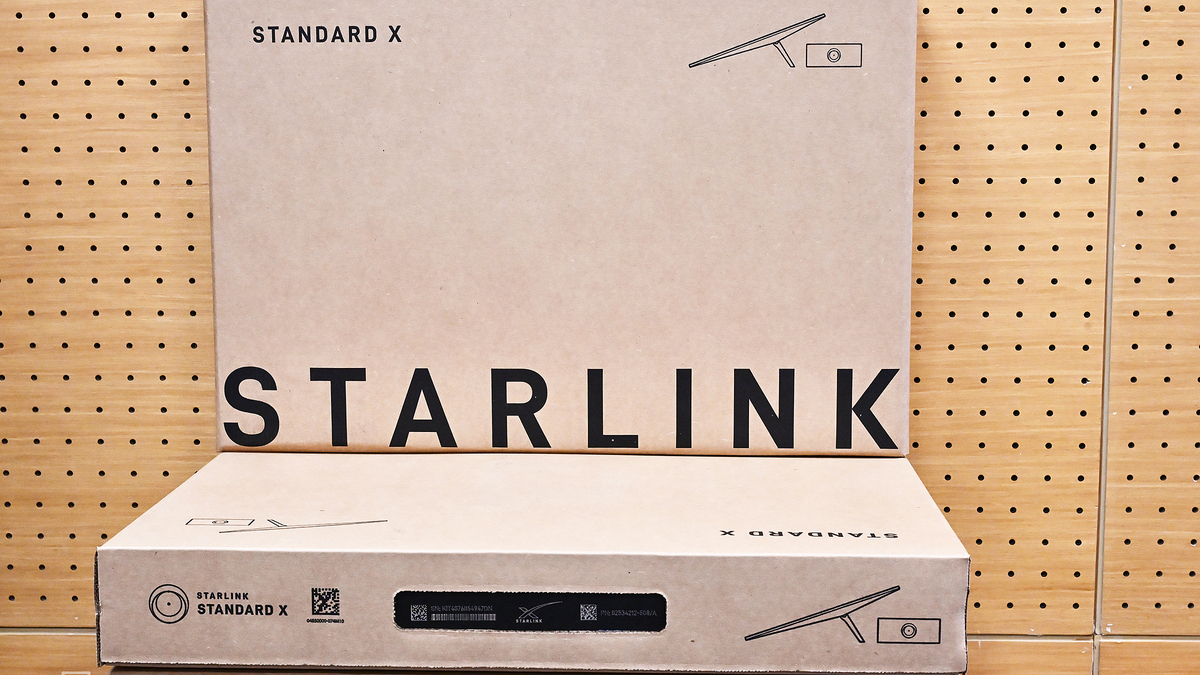
Vietnam has begun deploying satellite internet to bridge connectivity gaps in areas experiencing mobile signal "dead zones" or unstable coverage. Across the country, 273 hamlets lack adequate mobile service, with 82 of these also without electricity. Additionally, 44 locations, primarily schools, healthcare facilities, and areas with challenging terrain, suffer from weak or intermittent signals. A report in September from the Central Steering Committee for Science, Technology, Innovation, and Digital Transformation mandated the completion of coverage for priority points by October 30. Le Xuan Thang, an official from the Telecommunications Department's Infrastructure Development Division at the Ministry of Science and Technology, explained that these locations are difficult to access or impractical for terrestrial infrastructure investment due to complex topography, dispersed populations, and lack of electricity. "It's impossible to use one solution for all dead zones. That's why satellite internet is used as a supplementary solution," Thang stated during a meeting between the Telecommunications Department and Starlink Services Vietnam on September 11. For instance, Son La province, over 80% of which is mountainous with difficult transportation, still faces connectivity challenges in some areas despite efforts by telecom companies. Pham Quoc Chinh, Deputy Director of the Son La Department of Science and Technology, noted that the province has 53 difficult-to-reach locations for mobile coverage, including 36 villages in particularly disadvantaged areas. Building terrestrial infrastructure in these regions is time-consuming and costly, while the demand for connectivity persists. Consequently, Son La received 36 Starlink satellite internet kits and six months of free service. Chinh emphasized the "very special significance" of satellite internet for Son La, as it enables residents to "access internet services sooner." The provided equipment will serve community access needs rather than individual use. Localities will monitor connection quality, usage levels, and the number of beneficiaries. Equipment management is also a consideration; if village cultural houses do not ensure security and safety, the devices will be relocated to suitable, managed locations. Thang highlighted the need for continuous updates on addressing dead zones, as infrastructure development, population migration, and changing usage needs can create new ones. While satellite internet can provide immediate connectivity in areas difficult to develop terrestrially in the short term, a Telecommunications Department representative affirmed that terrestrial infrastructure remains the "fundamental, long-term" solution, with satellite serving to connect places that cannot be reached immediately. Starlink, a satellite internet service developed by Elon Musk's SpaceX, connects user devices to low-Earth orbit (LEO) satellites, relaying data through ground stations for global internet access. It is the first foreign enterprise permitted by Vietnam to pilot satellite internet services, having launched its domestic service in August. The equipment donation is part of SpaceX and Starlink Services Vietnam's commitment to provide 1,000 Starlink kits and six months of free service to schools, hospitals, rural communities, and priority groups as part of their pilot licensing agreement.
Original source
VnExpress