Sara Duterte's impeachment trial: Tax, bank records in focus
As Vice President Sara Duterte's impeachment trial progresses in the Philippines, prosecutors are seeking access to her and her spouse's tax and bank records, mirroring a tactic used in a past impeachment trial. The disclosure of these records may require presidential authorization, drawing significant attention to the case's future.
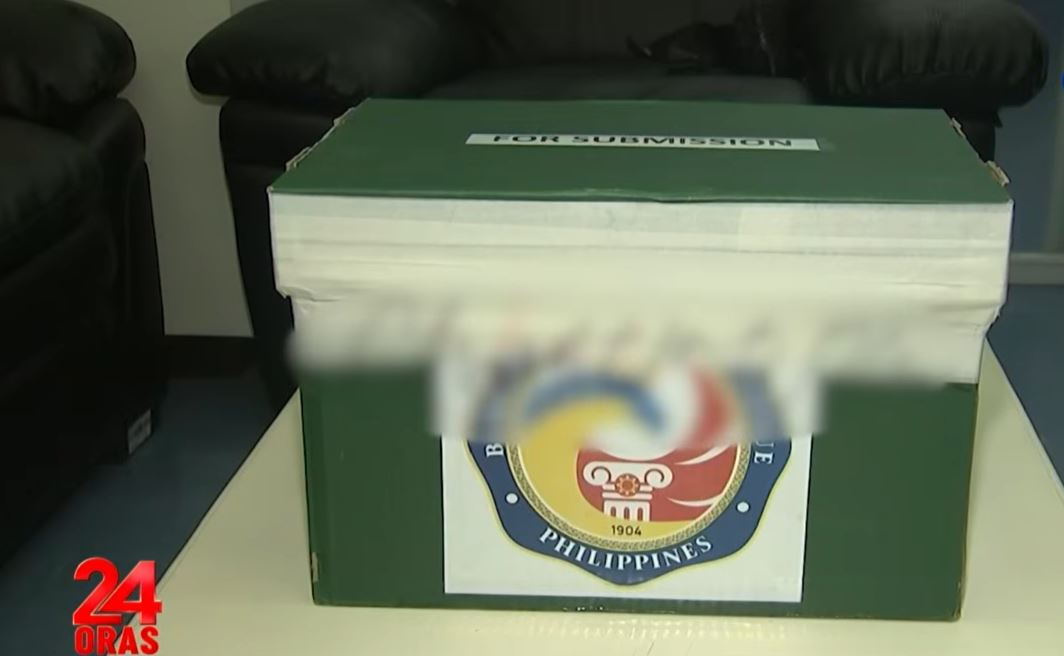
Prosecutors are seeking access to the tax and financial records of Vice President Sara Duterte and her spouse in her ongoing impeachment trial, a move that mirrors the proceedings during the 2012 impeachment trial of former Chief Justice Renato Corona. According to Sandra Aguinaldo's report on "24 Oras" on Thursday, Corona then signed a waiver to allow the opening of his bank accounts on the condition that the lawmakers would also sign waivers. "Kung hindi sila papayag sa hamon na ito, bibigyan ko po ng direktiba ang aking defense panel na i-rest na po ang aking depensa. Total wala naman silang napatunayang paratang laban sa akin," Corona had said. Despite such a statement, his tax records were still opened. Former Bureau of Internal Revenue (BIR) chief Kim Henares, who was a witness in the 2012 trial, noted that the National Internal Revenue Code provides that income tax returns filed at the Office of the Commissioner will be part of public record and may be opened by the president's authority. Then President Noynoy Aquino authorized the release of Corona's confidential tax records. "Ako po yung sinabpoena ng Senado na mag-testify at dalhin yung income tax return ni Justice Corona, the wife, children and the son-in-law. Kailangan may isang magte-testify nyang para ma-admit as evidence," said Henares. Duterte's defense team opposed the issuance of subpoenas for her bank and tax records as they said it is against the law. "Let's look at the tax code. Section 270, which criminalizes disclosure of taxpayer information. Mayroon po bang exemption sa batas na ito? Meron po pero it is limited. Kasama po ba ang impeachment? Hindi po," said Michael Poa. According to some lawyers, just like in the past trial, it ultimately lies in the hands of the President whether these can be used as evidence. "Magsa-subpoena po siya sa commissioner ng BIR. Ngayon ang commissioner ng BIR, susulatan niya ngayon ang presidente na meron ho akong natanggap ng subpoena. Pahingi po ng authority ninyo kung puwede kong i-release. kasi kung hindi nyo ako bibigyan ng authorization, hindi ko puwedeng i-release," said Henares. However, the prosecution is still weighing whether it is necessary to involve the President at this stage. "Legal strategy po 'yan. Hangga't maaari, siyempre ayaw naman nating guluhin pa ang ating executive," said impeachment prosecutor Joel Chua. Malacañang, however, noted that no formal request has yet been submitted to President Ferdinand Marcos Jr. to secure the necessary authorization. "Sa ngayon, wala pa rin po. Wala pa ring ibinibigay na anumang request," said Palace Press Officer Claire Castro. Aside from tax records, the prosecution is also seeking to subpoena bank records and reports from the Anti-Money Laundering Council—which are also highly confidential. "Hindi po tayo takot sa dokumento. Ang gusto lang po natin ay naaayon sa batas," said Poa. "Wala po tayong ikinakatakot sa mga dokumento. It's really that, when we are trying to obtain evidence, procure evidence, it always has to be within the limits of Constitution, the laws, and the rules," he added. Senator-judges are expected to decide on this on Monday. According to the spokesperson of the impeachment court, if the senator-judges vote on whether to subpoena the vice president's financial records, only a simple majority of those present is required. With 21 senators currently attending the trial, only 11 votes are needed. Meanwhile, Lorna Kapunan, counsel for the prosecutor, said Duterte's camp has the right to challenge before the Supreme Court if her financial records are subpoenaed. "Karapatan po nila 'yan. Everybody has the right to question. It is part of due process. We cannot predict how the Supreme Court decides," she said. —Vince Angelo Ferreras, GMA News
多角的分析
副大統領の弾劾裁判における税・銀行記録の開示要求は、フィリピン経済における透明性と説明責任の重要性を示唆している。記録の開示は、公職者の資産形成や資金の流れに関する国民の信頼に直接影響を与える可能性がある。過去の事例では、このような開示要求が市場の不確実性を一時的に高めることもあったが、最終的には法の執行と説明責任の強化につながることで、長期的な経済的安定に寄与する可能性もある。特に、マネーロンダリング対策評議会からの記録開示要求は、国内および国際的な金融犯罪対策への取り組みを示しており、フィリピンの金融システムへの信頼を高める要因となりうる。
投資家にとって、この弾劾裁判における記録開示の動きは、フィリピンの政治的安定性と法制度の確実性に関するシグナルとして捉えられる。過去の最高裁判官の弾劾裁判で同様の記録開示が行われた経緯があることから、一定の予測可能性はあるものの、大統領の承認が必要となる可能性など、不確実性も残る。もし記録が開示され、不正行為が明らかになれば、政治的リスク premium が上昇し、外国からの直接投資(FDI)に一時的な影響を与える可能性がある。一方で、法の執行が適切に行われ、説明責任が果たされることで、長期的な投資環境の改善につながるという見方もできる。
サラ・ドゥテルテ副大統領の弾劾裁判における税・銀行記録の開示要求は、フィリピン社会における公職者の説明責任と透明性への期待を浮き彫りにしている。特に、前最高裁判所長官の弾劾裁判での類似事例が参照されている点は、国民が過去の教訓から権力者の説明責任を求めていることを示唆している。記録の開示は、公職者の個人的な財政状況に関する情報公開を巡る議論を巻き起こし、市民の権利と公的関心のバランスという公共の課題を提起する。もし記録が開示され、不正が発覚すれば、国民の政治への信頼に影響を与える可能性がある。また、副大統領の家族の記録まで開示を求める動きは、公職者の家族に対する監視のあり方についても議論を呼ぶだろう。
国民にとって、副大統領の弾劾裁判における税・銀行記録の開示要求は、自分たちの税金がどのように使われ、公職者がどのように財産を築いているのかを知りたいという強い願望の表れである。過去の最高裁判所長官の弾劾裁判で同様のことがあったという事実は、国民が政治家に対してより高い説明責任を求めていることを示している。もし記録が開示され、副大統領やその家族に不正が明らかになれば、多くの国民は裏切られたと感じるだろう。一方で、記録の開示が法律に反するという弁護団の主張は、法の支配とプライバシーの権利についての議論を提起する。国民は、透明性と法の原則が両立されることを望んでいる。
背景・歴史的文脈
フィリピンにおける弾劾裁判は、憲法で定められた公職者の説明責任を問うための重要な制度である。2012年のレナト・コロナ前最高裁判所長官の弾劾裁判では、検察側がコロナ氏の所得税申告書や銀行記録の開示を求めた。当時、内国歳入法は納税者情報の開示を厳しく制限していたが、当時のノイノイ・アキノ大統領が権限を行使し、税記録の開示を承認した。この前例が、今回のサラ・ドゥテルテ副大統領の弾劾裁判における検察側の主張の根拠となっている。しかし、法律の解釈や大統領の権限行使の範囲については、常に議論の的となる。
原文ソース
GMA News Philippines