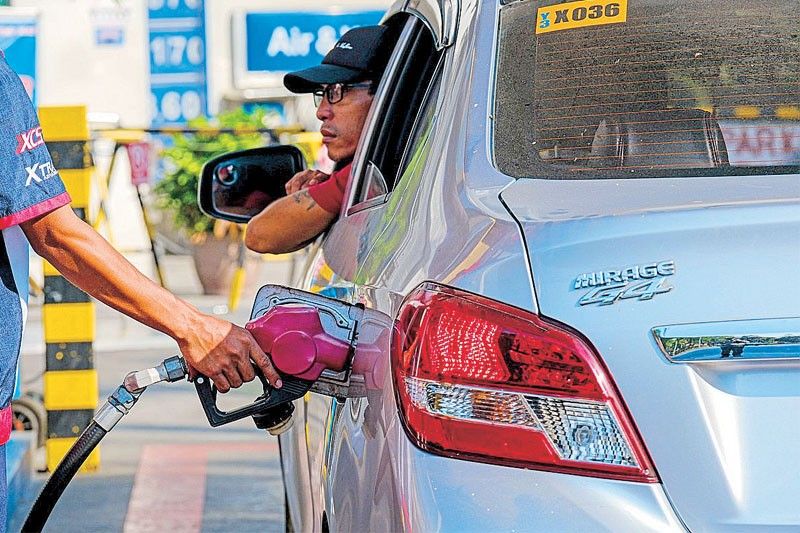
Diesel Price Hike of Up to P4/Liter Seen Amid Mideast Tensions
Fuel prices in the Philippines are expected to rise next week, with diesel potentially increasing by up to P4 per liter and gasoline by P1, due to escalating US-Iran tensions in the Strait of Hormuz impacting global oil prices.
MANILA, Philippines — Another fuel price increase is expected at the pumps next week amid renewed tensions between the United States and Iran over the strategic Strait of Hormuz. After four trading days in the regional benchmark Mean of Platts Singapore, an industry source said diesel prices could increase by P2 to P4 per liter next week. Gasoline prices are also likely to rise by as much as P1 per liter. Final price adjustments, which will take effect on July 14, will still hinge on the outcome of the last trading day. The source said global oil prices went up after Middle East tensions flared following Iran’s attack on vessels transiting the Strait of Hormuz outside Tehran’s approved shipping route. The conflict intensified after the US launched retaliatory strikes and revoked sanctions relief for Iranian oil exports. Following the latest exchange of attacks, US President Donald Trump declared the ceasefire with Iran “over,” though he indicated that negotiations could still resume. “The military strikes in the Middle East continue to expose the ongoing risk to supply, and the latest escalation in the US-Iran war has dimmed the prospect of having a lasting peace deal,” the source said. Even before the latest escalation, diesel and other middle distillate prices had already been rising due to tight supply and strong demand. Worries over a possible disruption in Russian diesel exports also continued to exert upward pressure on prices as Ukraine intensified drone attacks on Russia’s energy infrastructure. At the peak of the energy crisis in March and April, demand for petroleum products dropped by up to 25 percent, according to Energy Secretary Sharon Garin. But Jetti Petroleum president Leo Bellas is seeing a pickup in demand as the Strait of Hormuz has reopened to commercial traffic. “In our country, we see demand destruction, which happened actually in April, but the good thing is that demand has come back,” Bellas told One News’ “Money Talks” yesterday. “It’s a good sign, actually. It’s going up, particularly when classes have already started. But I think because prices are still relatively higher compared to pre-war levels, it’s not back to 100 percent yet,” he explained. Demand explains why diesel prices continue to rise despite downward momentum in the commodity markets. “Demand has been steadily growing, but supply has remained stagnant. Although we see flows coming out of the Middle East, they’re mostly crude and still en route. And the refining of those products could probably come in the next couple of days yet,” the Jetti official said. As for gasoline, demand in Northern Hemisphere countries is just starting to pick up while there’s a “balance” in Asia. “In the next couple of days, since global balance is really quite tight, we might see prices probably inch up a bit for gasoline,” Bellas said. — EJ Macababbad
多角的分析
中東情勢の緊迫化による原油価格の上昇は、フィリピン経済に直接的なインフレ圧力として作用します。燃料価格の上昇は、輸送コストの増加を通じて、食料品をはじめとする広範な商品・サービスの価格に波及します。これは、フィリピン国内の家計の購買力を低下させ、消費を抑制する可能性があります。特に、経済回復の初期段階にあるフィリピンにとって、このインフレ圧力は成長の足かせとなり得ます。また、フィリピンはエネルギー資源の多くを輸入に依存しているため、国際的な価格変動の影響を受けやすく、経済の安定性を損なう要因となります。
投資家にとって、燃料価格の上昇は、運輸業、製造業、農業など、エネルギーコストに大きく依存するセクターの収益性を圧迫する要因となります。これにより、これらのセクターへの投資リスクが増加する可能性があります。一方で、エネルギー価格の上昇は、再生可能エネルギーや代替燃料関連企業にとっては投資機会となる可能性も秘めています。しかし、短期的な不確実性は高く、地政学リスクが解消されない限り、広範な市場への投資判断は慎重になるでしょう。フィリピンのBPO産業は比較的エネルギーコストの影響を受けにくいですが、全体的な経済の減速は間接的な影響を与える可能性があります。
燃料価格の上昇は、特に低所得者層の家計に大きな負担となります。公共交通機関の運賃上昇や、食料品などの生活必需品の価格上昇は、日々の生活を圧迫します。地方では、農産物の輸送コスト増が農家の収入減につながる可能性もあり、地域経済にも影響を与えかねません。また、海外就労者(OFW)からの送金に依存する家計も、国内のインフレによる購買力低下の影響を受けることになります。学生の通学費用の増加も、教育機会へのアクセスに影響を与える可能性があります。
今回の燃料価格上昇は、マニラ首都圏で公共交通機関を利用する多くの市民にとって、日々の通勤・通学費の増加を意味します。特に、ジープニーやトライシクルの運賃が上昇すれば、低所得者層の家計はさらに圧迫されます。また、食料品などの物価上昇は、家庭の食卓にも直接影響し、生活必需品の購入をためらわせる可能性があります。地方の農村部では、農産物の輸送コスト増加が、農家の収益を圧迫し、さらには都市部への食料供給にも影響を与えることも懸念されます。これは、市民の生活の質を低下させる直接的な要因となります。
背景・歴史的文脈
フィリピンはエネルギー資源の大部分を輸入に依存しており、特に原油価格の変動は経済に大きな影響を与えます。過去にも、中東情勢の不安定化は、フィリピンの燃料価格に直接的な影響を及ぼしてきました。例えば、湾岸戦争やイラク戦争の際には、同様に燃料価格が急騰し、国内経済にインフレ圧力をもたらしました。また、フィリピンは海外労働者(OFW)からの送金が経済の重要な柱の一つですが、国際的な経済不安はOFWの雇用機会にも影響を与える可能性があり、これも国内経済の安定性に間接的な影響を与えます。
原文ソース
Philstar Nation