General articles are free for 24 hours after publish.
Philippines to Enhance LGU Fund Allocation Transparency with Digital Portal
The Philippine government plans to allocate P58.53 billion for the Local Government Support Fund (LGSF) in its 2027 budget, mandating local government units (LGUs) to apply directly through a digital portal, the 'Ugnayang Bayan Portal,' to enhance transparency and efficiency in fund allocation, bypassing political intermediaries.
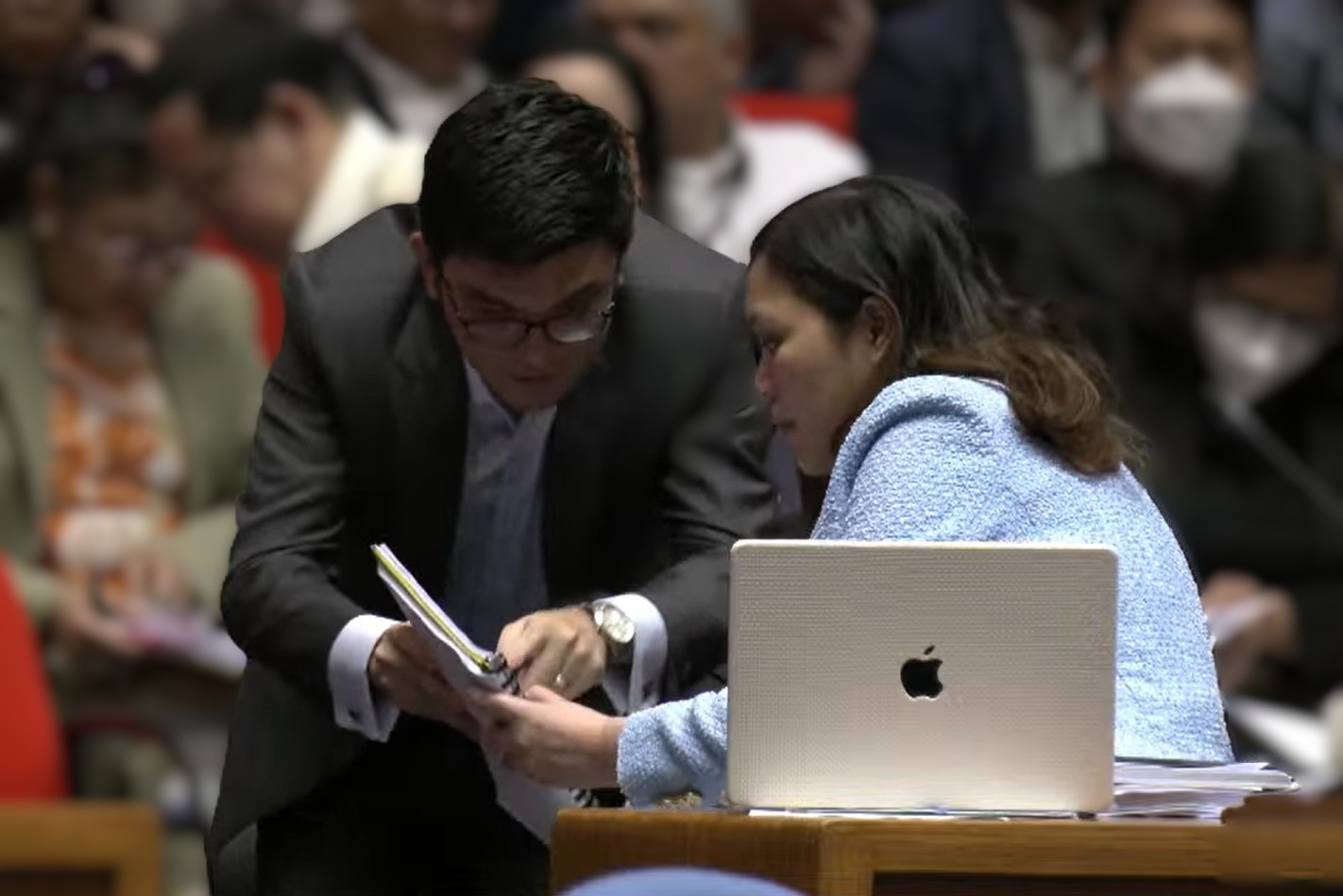
Local government units (LGUs) in the Philippines will be required to directly apply for government funding through a digital platform, the 'Ugnayang Bayan Portal,' as part of the proposed P58.53 billion for the Local Government Support Fund (LGSF) under the 2027 National Expenditure Program (NEP). This move aims to bypass political intermediaries and enhance transparency in the allocation of public funds, the Department of Budget and Management (DBM) announced on Tuesday. DBM Secretary Kim Robert De Leon, through House Appropriations Committee Chair Mikaela Angela Suansing, explained that the proposed P58.53 billion covers financial assistance to LGUs, the Growth Equity Fund, and the Barangay Development Program. The department emphasized that "by strengthening local fiscal capacity, we bring resources and decision-making closer to communities and give every region a stronger voice in the nation's development." Under DBM Local Budget Circular No. 169, local chief executives must apply directly through the Ugnayang Bayan Portal. Suansing stated that LGUs must submit their funding requests directly to the DBM through the portal, ensuring that allocations are based on local priorities rather than requests coursed through third parties. She also noted that the submission of an application does not guarantee that an LGU will receive funding. The proposed P58.53-billion allocation for 2027 is reportedly 1.14% higher than the 2026 budget. According to the DBM, the proposal incorporated inputs from groups such as the Union of Local Authorities of the Philippines (ULAP) to better address local infrastructure and social development priorities. The DBM said that funding requests are evaluated based on several criteria, including governance standards, fiscal management, transparency, absorptive capacity, service delivery, economic development, environmental management, public safety, and citizen engagement. It also considers the necessity of the proposed assistance, the just and equitable distribution of funds among LGUs, and the availability of funds. Previously, the Supreme Court had affirmed the constitutionality of the LGSF, stating it serves a clear policy purpose and is governed by sufficient legal standards. This ruling reinforces that LGSF releases operate within defined purposes, eligibility requirements, evaluation criteria, and accountability mechanisms. LGUs themselves identify and request assistance based on local needs, while approved funds remain subject to transparency, monitoring, audit, and applicable government rules. Source: GMA News Philippines
Original source
GMA News Philippines