Cambodia Urges Heightened Dengue Fever Vigilance Amidst Rising Cases
In Cambodia's Kandal Province, amidst a surge in dengue fever cases, Provincial Council Chairman Nu Sakorn has urged the Department of Health to intensify public awareness campaigns and bolster medical preparedness, expressing grave concern for citizens, especially children, and stressing the importance of timely diagnosis and treatment.
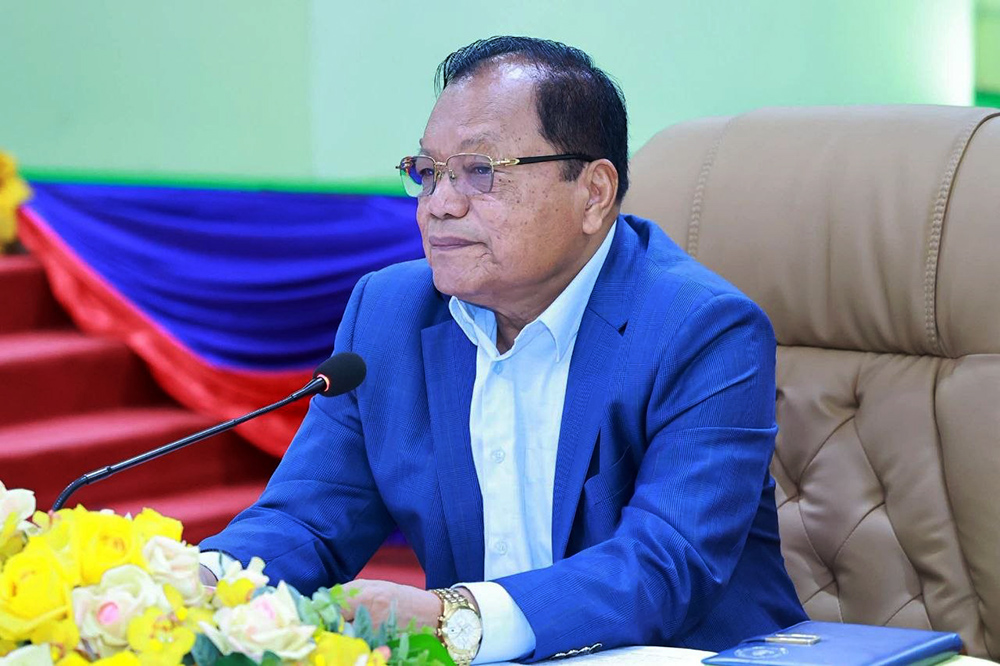
In Kandal Province, Cambodia, amidst a growing number of dengue fever cases, Provincial Council Chairman Nu Sakorn has urged the provincial Department of Health to heighten its attention and expressed grave concern for the health of citizens, particularly young children. This directive was issued during the 26th ordinary meeting of the 4th mandate, held on July 9, 2026, at the Kandal Provincial Hall, attended by Deputy Governor Nut Putheara, provincial council members, and relevant officials. The meeting's primary objective was to review and evaluate monthly work progress and set future work directions to address the actual needs of the people and improve their living standards. Chairman Nu Sakorn sternly instructed the Provincial Department of Health to collaborate with all levels of local authorities to enhance health education and outreach to the public regarding measures to prevent mosquito bites and maintain hygiene around homes, thereby preventing dengue fever. He also directed the preparation of medical equipment and supplies at referral hospitals and health centers to ensure timely rescue and treatment of dengue fever patients. Furthermore, he mandated the implementation of Abate treatment and fogging to kill Aedes mosquitoes, the vectors of dengue fever, in all areas to prevent the disease. He strongly advised citizens with suspected dengue fever to seek immediate examination and treatment from specialized medical teams, rather than attempting self-treatment at home, as the disease can be life-threatening if neglected. The Provincial Council reiterated its commitment to providing public services as a top priority and urged all provincial departments and units to continue strengthening their sense of responsibility in serving the people. Services must be delivered quickly and in accordance with established procedures, reducing complexity and waiting times for citizens. Attention must also be paid to social security schemes (BSS) to protect the rights and interests of workers, employees, civil servants, and the general public. Chairman Nu Sakorn announced that the Provincial Council will soon organize a public forum for direct consultation with residents to listen to their opinions, requests, and address challenges at the local level. To ensure the smooth and fruitful outcome of this forum, all relevant working groups must be fully prepared with content, technical materials, and a clear calendar and schedule, along with mechanisms to resolve any concerns or difficulties raised by the public during the forum. Deputy Governor Nut Putheara further emphasized that all officials, local authorities, and citizens must collectively pay the utmost attention to both communicable and non-communicable diseases. Beyond preventing seasonal dengue fever, he stressed the need to collectively enhance understanding and prevention of non-communicable diseases such as hypertension, diabetes, heart disease, and stroke, which are impacting the health and household economies of the people. Therefore, he stated, the Provincial Department of Health must play a core role in organizing comprehensive public health education programs, encouraging people to focus on exercise, safe eating habits, and regular health check-ups.
多角的分析
デング熱の蔓延は、医療費の増加、労働生産性の低下、観光業への悪影響といった経済的負担をカンボジアにもたらす。特に、子供たちが罹患した場合、親の就労機会の喪失につながり、家計を圧迫する可能性がある。公衆衛生への投資は、短期的なコスト増にもかかわらず、長期的な経済的損失を防ぐための不可欠な措置と言える。
感染症の流行は、カンボジアにおける投資環境の不確実性を高める要因となり得る。特に、観光やホスピタリティ分野への投資は、公衆衛生危機の影響を受けやすい。しかし、公衆衛生インフラへの投資や、感染症対策を重視する政府の姿勢は、長期的には投資家にとって安定した事業運営の基盤となりうる。
デング熱の患者数増加は、特に子供を持つ家庭にとって、直接的な健康リスクと経済的負担をもたらす。親は子供の看病のために仕事を休まざるを得ず、医療費の負担も重くのしかかる。また、公衆衛生への懸念は、地域社会全体の不安を増大させる。地方当局が住民との直接対話の場を設けることは、こうした不安を軽減し、地域社会の連帯感を高める上で重要である。
カンポット州の市民、特に子供を持つ親たちは、デング熱の流行拡大に強い不安を感じている。子供が感染した場合の医療費負担や、看病による収入減が懸念される。また、蚊の媒介による感染症への恐怖から、日常的な衛生管理や予防策への意識が高まっている。政府や地方当局による効果的な啓発活動と、迅速な医療アクセスが、市民の安心に繋がる。
背景・歴史的文脈
カンボジアでは、熱帯・亜熱帯地域特有のデング熱が、特に雨季に流行する傾向がある。過去にも、2012年、2016年、2019年などに大規模な流行が見られ、多数の死者を出している。これらの流行は、気候変動による異常気象や、都市部での急速な人口増加、衛生環境の課題などが複合的に影響していると考えられている。政府は、デング熱対策を公衆衛生上の重要課題と位置づけ、予防啓発活動や医療体制の強化に取り組んできたが、依然として国民の健康を脅かす深刻な問題となっている。
原文ソース
AKP Khmer