Hanoi Proposes $3 Billion Project to Revitalize Nhue River
Hanoi City has approved a massive project worth VND75 trillion (approximately $3 billion) to revitalize the Nhue River, which has suffered from severe pollution and unchecked development for decades. The project will comprehensively address riverbank development, pollution control, and infrastructure improvement, with phased implementation planned from 2026 to 2029.
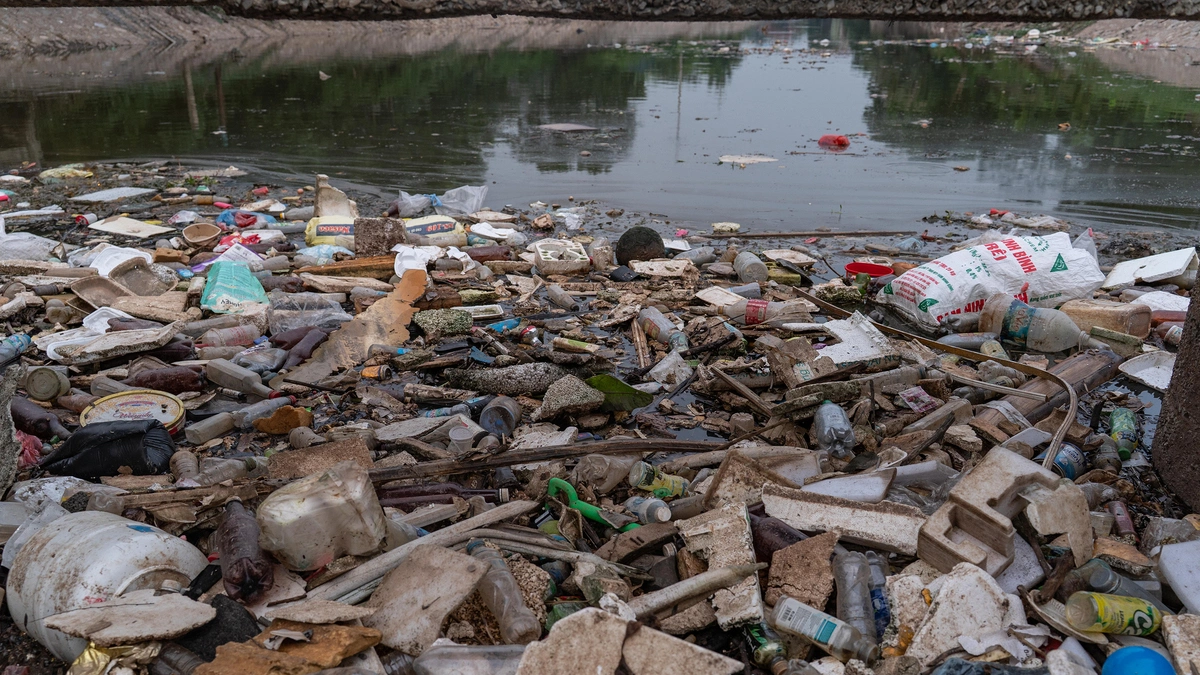
Hanoi City has approved a comprehensive project worth VND75 trillion (approximately $3 billion) to revitalize the Nhue River, which has been plagued by severe pollution and unchecked development for decades. The project aims to comprehensively address riverbank development, pollution control, and infrastructure improvement, with phased implementation planned from 2026 to 2029. The Nhue River, spanning 76 kilometers, with 61.5 kilometers flowing through 19 administrative units in Hanoi and the remainder in Ninh Binh province, plays a crucial role in supplying water for agricultural production and draining wastewater from the urban center. However, unlike 30-40 years ago when the riverbanks were sparsely populated with green spaces, rapid urbanization has led to dense housing along both sides. This has resulted in the encroachment of river protection corridors and the narrowing of the river channel. Pollution has worsened in many sections, with garbage and aquatic plants floating on the surface and emitting foul odors. The once vibrant river, teeming with fish and supporting the livelihoods of many fishing communities, is disappearing. To address this deteriorating situation, the Hanoi City People's Council has approved the Nhue River renovation project. The initiative will cover the entire stretch from the Lien Mac sluice gate to the city's border, passing through 19 xã, phường. The estimated total investment for the project is VND75 trillion. According to Hanoi's statistics, the Nhue River basin currently has approximately 2,521 pollution sources, including manufacturing and commercial establishments, industrial parks, healthcare facilities, and traditional craft villages. A large volume of untreated domestic and industrial wastewater is discharged directly into the river, placing a significant burden on its water quality. Under the project, Geleximco Group will be responsible for renovating embankments, dredging the riverbed, and treating environmental pollution. This initiative is expected to restore the river's ecosystem and improve water quality. However, concerns have been raised by residents regarding illegal occupation of riverbanks and the use of polluted water for agriculture. Source: VnExpress
多角的分析
75兆ドンという巨額の投資は、ベトナムが環境インフラ整備に注力する姿勢を示すものだ。しかし、その効果は汚染源の管理と排水処理施設の整備がどれだけ徹底されるかにかかっている。過去の類似プロジェクトでは、資金の使途や効果測定の不透明さが課題となるケースもあり、透明性の確保が求められる。また、Geleximcoグループのような民間企業の参画は、プロジェクトの効率化と資金調達の多様化に寄与する可能性があるが、その収益性や実行能力も注視する必要がある。
このニエ川再生プロジェクトは、インフラ開発分野への投資機会を提供する可能性がある。Geleximcoグループへの事業委託は、同社への直接投資や関連サプライヤーへの投資を検討する投資家にとって注目点となるだろう。しかし、ベトナムのインフラプロジェクトは、しばしば官僚的な手続きや土地収用問題、予期せぬコスト増のリスクを伴う。投資家は、プロジェクトの進捗状況、環境規制の遵守、そして地域社会との関係性を慎重に見極める必要がある。
ニエ川沿いの住民、特に長年川の恩恵を受けてきた漁師や農民にとっては、このプロジェクトは生活環境の改善と経済的機会の回復を期待させるものだ。しかし、河川敷の不法占拠や家屋の移転などが進む場合、住民との間で摩擦が生じる可能性もある。また、汚染された水を使った農業を続ける住民は、安全な水源へのアクセスや代替手段の確保が喫緊の課題となる。プロジェクトの実施にあたっては、地域住民への十分な説明と、生活再建への配慮が不可欠だ。
ニエ川の汚染は、ハノイ市民の生活の質に直接影響を与えている。悪臭や衛生問題は、住民の健康への懸念を引き起こしている。今回のプロジェクトは、川の再生を通じて、より快適で健康的な生活環境を提供することを目指すものだ。しかし、75兆ドンという巨額の税金が投じられることに対し、その効果と費用対効果について、市民は関心を持っている。また、過去のインフラプロジェクトでしばしば見られた、一部の特権階級や企業のみが恩恵を受けるのではなく、広く市民全体に裨益する形での事業遂行が期待されている。
背景・歴史的文脈
ニエ川は、ハノイ市とその周辺地域の重要な水源であり、排水路でもある。しかし、急速な都市化と工業化の進展により、長年にわたり生活排水、産業排水、農業排水などが未処理のまま河川に流入し、深刻な水質汚染を引き起こしてきた。特に、1990年代以降の経済成長に伴う都市拡大は、河川敷への不法占拠や建築物の増加を招き、河道の狭窄や治水機能の低下を招いた。過去にも河川浄化の試みは行われてきたが、汚染源の多さと対策の不十分さから、根本的な改善には至っていない。今回の75兆ドン規模のプロジェクトは、これらの長年の課題に包括的に対処しようとするものである。
原文ソース
VnExpress