Philippines Earthquake: Slow Recovery Leaves Survivors in 'Pigado' State
Weeks after a magnitude 7.8 earthquake struck the southern Philippines, recovery efforts remain slow, leaving survivors in a 'pigado' (difficult) state. Damaged infrastructure and loss of livelihoods are major challenges for affected communities.
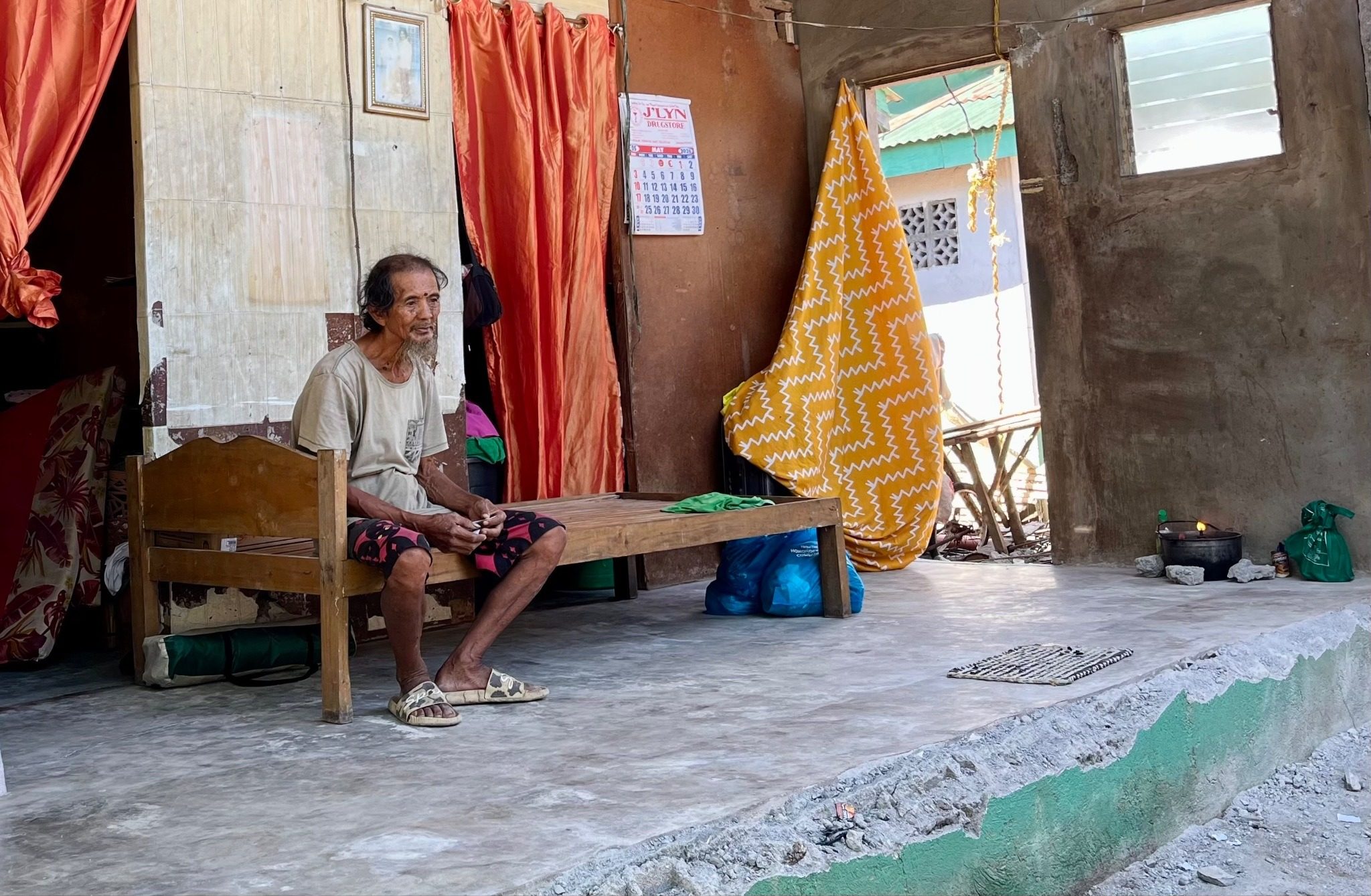
Weeks after a magnitude 7.8 earthquake struck the southern Philippines, recovery efforts remain slow, leaving survivors in a 'pigado' (difficult) state, according to Rappler's reporting. The local term, 'pigado,' is used in Cebu to describe situations that are hard to manage or impossible to overcome. In Sarangani province and General Santos City, survivors of the June 8 earthquake described their situation as 'pigado' nearly two weeks after the event. This same word was used by farmers unable to access their harvest due to landslides and by fisherfolk facing a month-long restriction from shorelines. Families are also mourning the deaths of children. Recovery has been slow, mirroring the aftermath of the magnitude 6.9 quake in northern Cebu on September 30, 2025. In that disaster, businesses closed, families slept in tents, and many roads were destroyed or blocked by debris. However, what sets the Mindanao quake apart is the magnitude of the damage and destruction. The last situation report for the Cebu quake aftermath on October 24, 2025, listed 750,814 affected individuals, 79 deaths, and 559 injured persons, with infrastructure damage pegged at P73 million. In contrast, a June 30, 2026, situation report for the Mindanao quake aftermath tallied 1.67 million affected individuals, 88 deaths, 1,316 injured, and 24 missing persons, with infrastructure damage estimated at P1.4 billion. Seeing the devastation up close was harrowing. On June 17, a team visited Sitio Datal Salvan in Barangay San Jose, General Santos City, where around 400 residents were staying at a makeshift shelter set up on a community drier. A community drier is an open-spaced concrete ground typically used for drying crops, which can become dangerously hot, posing risks for senior citizens and children. On June 19, the team visited Adelina T. Recto Elementary School in Barangay Pangyan, Glan, Sarangani. The principal lamented that the school, which was a beacon of hope for the children of farmers and fisherfolk, was now unusable and condemned due to earth movement and multiple safety hazards. The earthquake not only took away livelihoods but also extinguished the dreams of many families striving to escape poverty. The affected towns and cities still have a long way to go before they can get back on their feet. The report concludes by emphasizing the power of storytelling in disaster coverage. After the fieldwork, netizens quickly commented on Rappler's posts, asking where they could send help. The article calls for continued support for such journalism to keep the stories of affected communities alive and drive more aid. Information Source: Rappler Philippines
多角的分析
フィリピン南部地震によるインフラ被害額14億ペソは、地域経済に深刻な打撃を与えている。特に農漁業への影響は大きく、生計手段の喪失は地域経済の長期的な停滞を招く可能性がある。復興には巨額の公的資金と民間投資が必要となるが、現状の政府予算や財政状況を考慮すると、その調達は容易ではない。過去の災害からの復興事例を見ると、インフラ復旧の遅れは経済活動の再開を阻み、貧困層の生活をさらに圧迫することが多い。
今回の地震によるインフラ被害は、フィリピン経済全体への直接的な投資リスクを増加させるものではないが、被災地域の復興プロセスにおける不確実性は、短期的な投資判断に影響を与える可能性がある。特に、インフラ関連企業や建設セクターへの投資は、復興需要を見込む一方で、政府の財政状況や復興計画の実行能力に左右される。海外からの直接投資(FDI)は、フィリピン経済全体の安定性や政府の危機管理能力を評価するため、復興の進捗状況が注視されるだろう。南シナ海情勢など、他の地政学リスクとの複合的な評価も必要となる。
被災地では、コミュニティの乾燥場が避難所として使われるなど、劣悪な生活環境が強いられている。子供や高齢者への健康リスクが懸念される。また、学校が閉鎖されたことは、子供たちの教育機会を奪い、将来の貧困から抜け出すための希望を失わせる。これは、フィリピン社会が抱える貧困問題と教育格差をさらに深刻化させる可能性がある。被災者たちは、単に物理的なインフラの復旧だけでなく、精神的なケアや生計再建のための長期的な支援を必要としている。
ジェネラルサントス市の被災者は、コミュニティの乾燥場での生活を強いられ、暑さや衛生状態の悪さに苦しんでいる。特に子供や高齢者は健康への不安を抱えている。グアン市の小学校が閉鎖されたことで、多くの子供たちが教育を受ける機会を失い、保護者たちは子供の将来への希望を見失いかけている。彼らにとって「pigado」な状況は、単なる経済的な困難だけでなく、生活そのものの崩壊を意味しており、食料、水、住居、医療、そして教育といった基本的なニーズへのアクセスが喫緊の課題となっている。
背景・歴史的文脈
フィリピンは、太平洋の「火の輪」と呼ばれる地震多発地帯に位置しており、地震活動が活発である。過去にも、2013年のボホール地震(マグニチュード7.2)や、2015年のミンダナオ地震(マグニチュード6.7)など、甚大な被害をもたらす地震が頻発している。これらの災害は、フィリピンのインフラの脆弱性、特に耐震基準の甘さや、災害発生時の避難計画、救助体制の不備を度々露呈させてきた。政府は災害管理予算を増額し、防災対策を強化しているものの、広大な国土と多くの島嶼からなる地理的条件、そして貧困問題が、効果的な防災・減災対策の実施を困難にしている。
原文ソース
Rappler Philippines