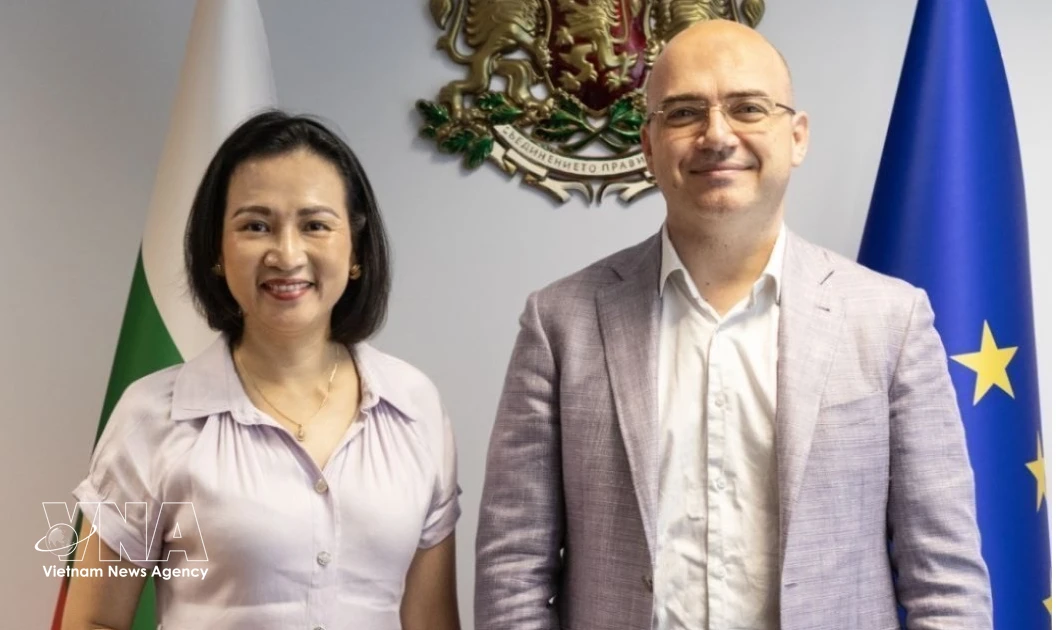
Vietnam, Bulgaria Eye Deeper Tourism Ties
Vietnam and Bulgaria have expressed a desire to strengthen cooperation in the tourism sector. Under their strategic partnership, both nations aim to expand collaboration in various fields including logistics, IT, education, and coastal tourism, anticipating increased tourist arrivals and cultural exchange.
Vietnam and Bulgaria reaffirmed their commitment to advancing legal and judicial cooperation, describing it as one of the key pillars of bilateral relations. This underscores the mutual intent to deepen collaboration across various sectors, including tourism, under the framework of their strategic partnership. Ambassador Nguyen Thi Minh Nguyet highlighted that the Vietnam – Bulgaria Strategic Partnership has opened up fresh opportunities for cooperation in logistics, maritime transport, port operations, information technology, education, and coastal tourism. Such events and partnerships are seen as crucial for fostering cultural exchange and mutual understanding. Vietnam's tourism sector continues to show robust performance in the Russian market, ranking fourth in July for best-selling package tour destinations and increasing its market share. This indicates Vietnam's growing appeal as a diverse travel destination. Vietnam's tourism appeal lies not in a single attraction but in the seamless combination of authentic experiences rooted in local culture. Colorful highland markets, traditional festivals, and centuries-old craft villages remain integral parts of everyday life, creating distinctive visitor experiences. Furthermore, Vietnam is focusing on building its brand as a new destination for Halal tourism. Efforts include improving institutional frameworks, developing human resources, expanding Halal-certified services, strengthening international cooperation, and promoting business partnerships. The promotion of sustainable tourism is also a key focus, with a circular tourism model embracing a regenerative approach. This model goes beyond reducing environmental impacts, aiming to restore ecosystems, preserve cultural heritage, and strengthen the resilience of local communities. Domestically, Hanoi aims to welcome over 9 million foreign arrivals this year and has already achieved more than half of that target in the first half of the year. This milestone is a source of pride for the city's tourism industry and a positive signal of its growing appeal to international travelers. Phu Quoc Island, in particular, is emerging as a representative destination with ongoing development in infrastructure, hospitality, and international cooperation projects in preparation for APEC 2027 and beyond. Paris Match has reported that Vietnam's appeal extends beyond its landscapes and luxury resorts, highlighting its unique combination of nature, history, cultural heritage, and local life. Vietnam's tourism performance is widely regarded as a bright spot amidst global challenges such as geopolitical tensions, slowing economic growth, and rising travel costs. The country received approximately 1.7 million international visitors in June alone, an increase from the same month last year, demonstrating continued growth. Information source: VietnamPlus English
多角的分析
ベトナムの観光セクターは、国際的な逆風にもかかわらず顕著な成長を示しており、経済成長の重要な牽引役となっている。特にロシア市場でのパッケージツアー販売好調は、多様な市場へのアピール力と、従来の欧米市場への依存度低減の可能性を示唆する。ハラル観光への注力は、新たな市場セグメントの開拓と、イスラム圏からの観光客誘致による経済効果の拡大を狙った戦略であり、中東諸国との経済関係強化とも連動する可能性がある。
ベトナムの観光セクターへの投資は、その成長ポテンシャルから引き続き魅力的である。特に、フーコック島のようなインフラ開発が進む地域や、持続可能・循環型観光といった新しいモデルへの投資は、長期的なリターンを期待できる。ただし、国際的な地政学リスクや経済の不確実性は、投資判断におけるリスク要因として考慮する必要がある。ハラル観光への投資は、特定の市場セグメントにおけるニッチな機会を提供する可能性がある。
ベトナムの観光振興は、地域社会への直接的な経済的恩恵をもたらす「地域住民が直接利益を得られる」モデルの推進を目指している。これは、観光収入の地域への還流を促進し、地域経済の活性化に貢献する。また、伝統的な工芸村や文化遺産の保護・活用は、地域住民のアイデンティティ維持や文化継承にも寄与する。一方で、観光客増加に伴うインフラへの負荷や、地域社会との摩擦が生じる可能性も無視できず、持続可能な観光開発が求められる。
ベトナム市民、特に観光地周辺の住民にとって、観光業の発展は雇用機会の増加や地域経済の活性化につながる可能性がある。例えば、フーコック島やダナンの工芸村周辺の住民は、観光客向けのサービス提供や土産物販売などで収入を得る機会が増えると考えられる。しかし、観光客の増加は、交通渋滞や生活環境への影響をもたらす可能性もあり、地域住民と観光客双方にとって快適な環境を維持するためのバランスが重要となる。ハノイの外国人観光客増加は、都市部のインフラへの更なる負荷を意味する。
背景・歴史的文脈
ベトナムの観光業は、ドイモイ(刷新)政策以降、経済発展の重要な柱の一つとして位置づけられてきた。特に2000年代以降、国際社会との関係改善やビザ緩和政策などを背景に、外国人観光客数が飛躍的に増加。近年では、パンデミックによる一時的な落ち込みから急速に回復し、経済成長を牽引する存在となっている。今回のブルガリアとの観光協力強化の動きは、欧州市場へのさらなる浸透を目指し、外交・経済両面での関係強化を図るベトナムの戦略の一環と考えられる。また、中国への経済的依存度を低減し、多様な市場を開拓する動きとも連動している。
原文ソース
VietnamPlus English