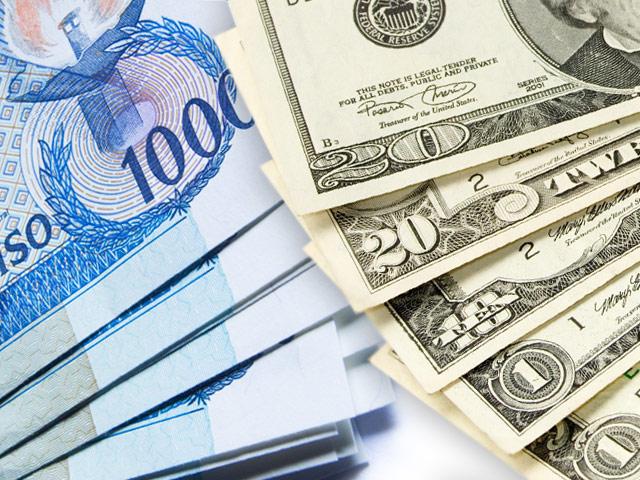
Philippine Peso Nears Record Low Against US Dollar Amid US-Iran Tensions
Economy
2026年7月14日
3
GMA Money Philippines

Philippine Peso Nears Record Low Against US Dollar Amid US-Iran Tensions

AI サマリー

The Philippine peso is nearing its record low against the US dollar, with rising US-Iran tensions driving up global crude oil prices and weakening the local currency. Market intervention by authorities is also being considered.

The Philippine peso is nearing its record low against the US dollar amid rising tensions between the United States and Iran. The local currency shed 11.1 centavos to close at P61.71:$1 on Tuesday, down from P61.599:$1 on Monday. This level is close to the record low of P61.75:$1 seen in May. Michael Ricafort, chief economist at Rizal Commercial Banking Corp., said the peso's weakness comes as global crude oil prices climbed to new one-month highs following recent US-Iran clashes related to issues on the Strait of Hormuz. He noted that US President Trump had re-imposed a blockade on Iranian ships transiting the Strait of Hormuz and demanded a 20% reimbursement on all other cargo shipped through it. However, Ricafort added that the peso exchange rate had been relatively stable versus the US dollar recently amid possible intervention or smoothing of market volatility at P61.60-P61.70 per dollar levels. US President Donald Trump said on Monday that the United States would "probably" take over the Strait of Hormuz and should be reimbursed for controlling the vital waterway. The International Maritime Organization (IMO) opposed the plan, stating that ships should not pay fees to pass through maritime waterways. "IMO stands firmly against charging fees for passage through straits used for international navigation. There is no legal basis through which to introduce mandatory tolls simply to transit through a strait," the UN agency said. The Philippine economy, heavily reliant on remittances from overseas workers, faces potential inflationary pressures from rising import costs, which could strain household budgets. Specifically, the surge in crude oil prices is a concern as it may lead to increased transportation costs, impacting domestic prices across the board. The Bangko Sentral ng Pilipinas (BSP), the central bank, has the authority to intervene in the market to stabilize exchange rates and has a history of doing so in similar situations.

多角的分析

経済的影響

フィリピンペソの弱含みは、輸入物価の上昇を通じて国内インフレを加速させるリスクをはらんでいます。特に原油価格の高騰は、輸送コストを押し上げ、食料品や日用品の価格上昇に直結し、家計の購買力を低下させます。これは、フィリピン経済の回復にとって逆風となり得ます。海外からの送金が経済を支える一方で、輸入依存度の高さが為替変動の影響を受けやすくしている構造が浮き彫りになっています。

投資家心理

投資家にとって、ペソ安は輸入品コストの増加を意味し、フィリピン国内で事業を展開する企業、特に原材料を輸入に頼る企業の利益率を圧迫する可能性があります。一方で、輸出企業にとっては競争力向上に繋がる側面もありますが、全体的な経済の不確実性が高まることで、新規投資への慎重姿勢を促す要因となります。中央銀行による市場介入の動向は、短期的な為替の安定性を見極める上で重要です。

社会的影響

ペソ安は、日々の生活必需品の価格上昇として、一般市民の家計に直接的な影響を与えます。特に、低所得層や海外からの送金に頼る家庭では、生活費の負担が増大し、消費行動にも影響が出かねません。また、輸入燃料への依存度が高いフィリピンでは、ガソリン価格の上昇が公共交通機関の運賃にも波及し、移動コストの増加を招く可能性があります。これは、地方部への影響も懸念されます。

市民の声

ペソ安は、海外で働くフィリピン人労働者(OFW)からの送金価値をドル建てでは維持するものの、フィリピン国内での購買力に直接的な影響を与えます。輸入物価の上昇は、食料品や燃料価格に転嫁され、多くの家庭の家計を圧迫します。特に、都市部での生活費の上昇は、地方からの移住者や若年層にとって大きな課題となり得ます。政府のインフレ抑制策と為替安定化への取り組みが、市民生活の安定に不可欠です。

背景・歴史的文脈

フィリピンペソの為替レートは、国内経済の状況だけでなく、国際的な経済要因や地政学的な出来事にも大きく影響されます。特に、世界経済の主要なエネルギー源である原油価格の変動は、輸入依存度の高いフィリピン経済にとって、インフレ圧力や貿易収支の悪化に直結します。過去にも、中東情勢の緊迫化や世界的な金融市場の混乱は、ペソ安を招き、国内物価の上昇を引き起こした事例があります。フィリピン中央銀行(BSP)は、為替レートの急激な変動を抑制するために、市場介入を行う権限を有していますが、その効果は一時的なものに留まることも少なくありません。長期的な為替の安定には、構造的な経済改革や輸出競争力の強化が不可欠とされています。

原文ソース

GMA Money Philippines

原文を読む