PM Hun Manet Pursues Sovereignty-Centric Foreign Policy, Rejects Thai Border Incursions
Cambodian Prime Minister Hun Manet is prioritizing sovereignty and territorial integrity in his foreign policy, firmly objecting to Thai military incursions into Cambodian territory while seeking peaceful resolution based on international law. Economic development and investment attraction are also key diplomatic pillars.
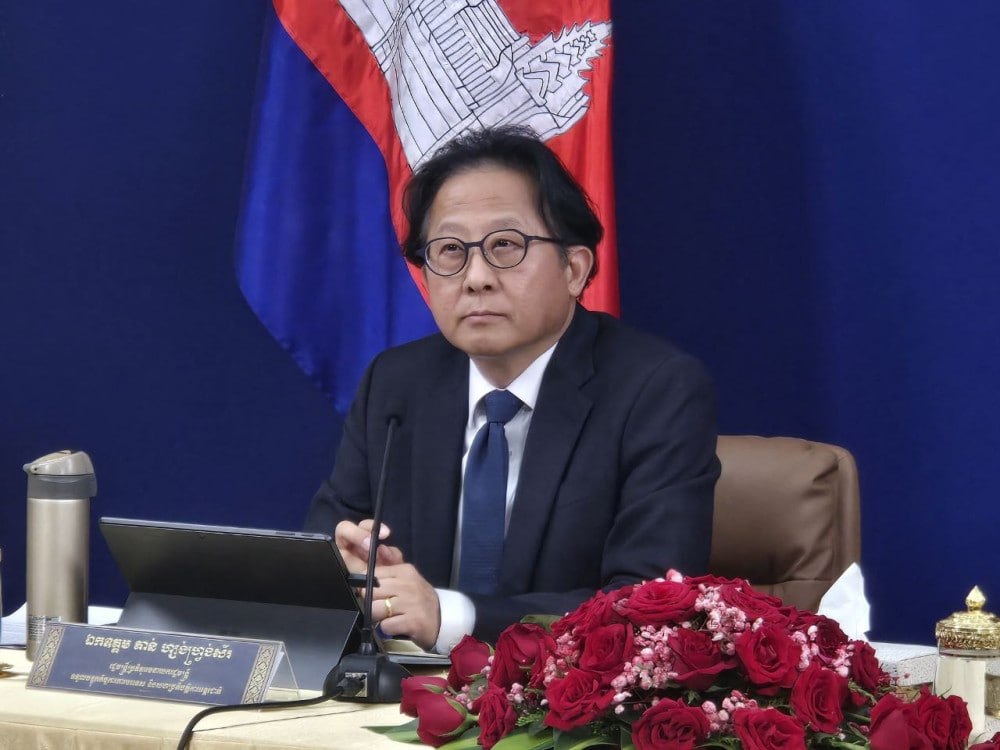
Prime Minister Samdech Moha Borvor Thipadei Hun Manet's diplomatic engagements and foreign affairs activities over the past six months have been driven by a singular objective: serving the supreme national interest while rigorously defending the nation's sovereignty and territorial integrity, a senior government official said on July 02, 2026. Speaking at the 8th press forum hosted by the Royal Government Spokesperson Unit at the Office of the Council of Ministers, H.E. Jean-François Tain, Minister Attached to the Prime Minister for Foreign Affairs and International Cooperation, emphasized Cambodia's strategic posture amid a complex global and regional landscape. He stated that the Royal Government, under Prime Minister Samdech Thipadei Hun Manet’s leadership, recognizes the necessity of maintaining an independent, sovereign, balanced, and open foreign policy, firmly anchored in preserving peace and ensuring continuous national development. "Cambodia must continue to strengthen long-standing friendships, forge new alliances, and expand cooperation – particularly in the economic sector – with friendly nations and global partners," H.E. Tain said, adding that Cambodia remains steadfast in prioritizing dialogue, international law, and peaceful resolutions over confrontation and the use of armed force, which he warned brings "nothing but disaster." During his overseas state visits, Prime Minister Hun Manet’s bilateral discussions with foreign heads of state, government leaders, and senior dignitaries have strictly targeted three major priorities: Safeguarding Cambodia's territorial integrity and supreme national interests; Strengthening and diversifying strategic alliances with various countries and international organisations; Leveraging diplomatic channels to advance socio-economic development, attract foreign investment, create local jobs, and enhance the overall well-being of the Cambodian people. Elaborating on the defence of territorial sovereignty, H.E. Tain revealed that Samdech Thipadei Hun Manet consistently raises the ongoing Cambodia-Thailand border dispute during high-level international dialogues, routinely highlighting the realities on the ground. According to H.E. Tain, Thai military forces have encroached deep into lawful Cambodian territory and are illegally occupying areas in violation of international law. He stated that these incursions have resulted in the destruction of Cambodian homes, prevented tens of thousands of citizens from returning to their properties, and involved the unauthorised construction of roads and infrastructure by Thai forces. The clear message delivered by the Cambodian Premier to global leaders is that Cambodia will "absolutely not accept" any border alterations that contravene international law. Despite these grievances, H.E. Tain reiterated that Cambodia remains fully committed to resolving the border dispute with Thailand peacefully, relying on international law, existing treaties, and previously signed bilateral agreements. Addressing maritime border issues, H.E. Tain noted that Cambodia has opted to invoke the compulsory conciliation mechanism under the United Nations Convention on the Law of the Sea (UNCLOS). He explained that Prime Minister Hun Manet routinely clarifies this decision to foreign leaders, citing Thailand’s unilateral withdrawal from the 2001 Memorandum of Understanding (MOU) on overlapping maritime claims as the primary reason for the action. By K. Rithy Reak
多角的分析
フン・マネト政権は、経済発展を外交の重要な柱の一つと位置づけている。これは、カンボジアが依然として開発途上国であり、持続的な経済成長のために外国からの投資と貿易が不可欠であるという現実に基づいている。特に、インフラ整備、雇用創出、国民生活の向上は、国内の安定と政権の正当性を維持するために極めて重要である。タイとの国境紛争のような不安定要因は、投資家心理を冷え込ませ、経済活動の停滞を招くリスクがあるため、政権としては早期かつ平和的な解決を望んでいると考えられる。
カンボジアへの投資家にとって、国家主権と領土保全の重視は、政治的安定へのコミットメントとしてポジティブに捉えられる可能性がある。しかし、タイとの国境紛争の存在は、地域のリスク要因として無視できない。特に、タイ軍によるカンボジア領土への侵入やインフラ建設は、将来的な紛争のエスカレーションや、国境付近での経済活動への影響を懸念させる。投資家は、紛争の進展、カンボジア政府の対応、そして国際社会の介入の度合いを注視し、リスク評価を行うことになるだろう。
タイ軍によるカンボジア領土への侵犯は、国境付近に居住するカンボジア市民の生活に直接的な影響を与えている。家屋の破壊や避難を余儀なくされる事態は、人権上の問題ともなり得る。また、数万人が自宅に戻れない状況は、社会的な不安定化や経済的困窮を招く可能性がある。フン・マネト首相がこの問題を国際社会で提起することは、国内の市民にとっては、政府が自らの安全と権利を守ろうとしているというメッセージとなり得るが、一方で、紛争の長期化は市民生活へのさらなる負担となることも考えられる。
背景・歴史的文脈
カンボジアとタイの国境紛争は、両国間の長年にわたる領土問題に根差している。特に、1962年の国際司法裁判所(ICJ)によるプレア・ビヒア寺院周辺の領土問題判決以降も、未画定の地域が残存し、時折緊張が生じている。2008年にはプレア・ビヒア寺院周辺で武力衝突が発生し、両国関係が悪化した。今回のフン・マネト政権の姿勢は、過去の紛争経験を踏まえ、主権と領土の一体性をより強く主張し、国際法に基づいた解決を求めるものである。また、カンボジアの外交政策は、伝統的に中国との関係を重視する傾向にあるが、フン・マネト首相は、より広範な国際社会との関係構築や、経済的多様化も目指している。
原文ソース
AKP Cambodia