General articles are free for 24 hours after publish.
The China Paradox: Western Tourists Flock In As Locals Flee
China is experiencing a surge in Western tourists due to visa-free policies, while simultaneously witnessing an exodus of local residents fleeing economic stagnation and social controls. This highlights a significant gap between global perceptions and the lived realities of Chinese citizens.
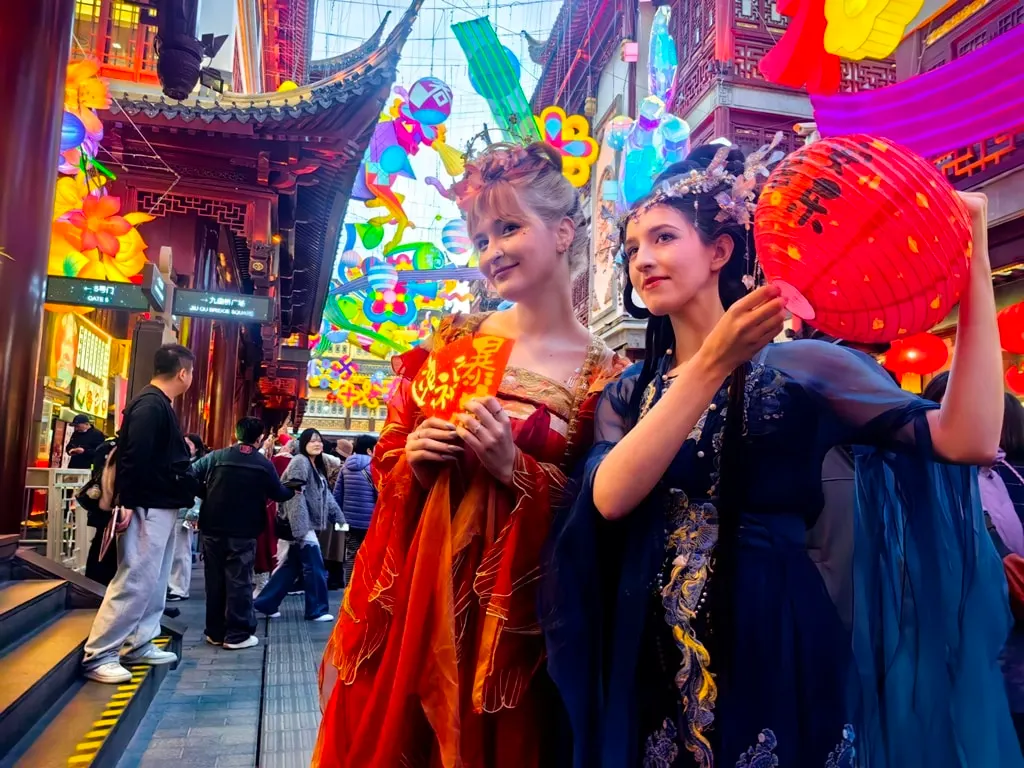
Home - China - The China Paradox: Western Tourists Flock In As Locals Flee Last Updated on September 24, 2026 by Jeff Tomas BEIJING – Right now, two entirely different migration trends are happening across the globe at the exact same time in China. Western travelers are eagerly packing their bags and rushing to explore the ancient wonders of China. Armed with new visa-free travel perks, tourists are walking the Great Wall and eating street food in Shanghai. They constantly marvel at the shiny bullet trains and the futuristic cities that seem to stretch on forever. But just beneath the surface of this booming tourist hotspot lies a very different and complex reality. While foreigners are lining up to get into the country, many local Chinese citizens are desperately trying to get out. They are leaving behind their homes to chase the classic American dream across the ocean. This sharp contrast reveals a massive gap between how the world sees China and how its own people experience it. In recent months, the Chinese government has thrown its doors wide open to the rest of the world. The country launched a generous 144-hour visa-free transit policy that covers visitors from dozens of different nations. This strategic move immediately created a massive boom in international arrivals at major airports. Foreign vloggers and backpackers are flooding social media with viral videos of their exciting mainland adventures. For a visiting tourist, the country often feels like a highly efficient, futuristic utopia. You can pay for a steaming bowl of noodles just by scanning your face at a local kiosk. High-speed trains smoothly and affordably connect massive mega-cities that are thousands of miles apart. Crime rates in these major urban centers are incredibly low, making visitors feel very safe walking at night. It is incredibly easy to see why Westerners are so fascinated by this rapid economic development. These tourists arrive looking for a unique cultural experience and leave completely amazed by modern infrastructure. The city streets are clean, the technology is flawless, and the local hospitality is usually very welcoming. For someone visiting for just a few weeks, the entire country seems like a perfect, well-oiled machine. However, this popular tourist experience is carefully curated and heavily sanitized by the local authorities. Visitors simply do not feel the heavy weight of the government’s daily rules and restrictive regulations. When you only stay for two weeks, strict state control just looks like impressive digital convenience. . Tourists rarely notice the vast network of cameras actively watching their every single move on the street. For the average Chinese citizen, this digital network acts as a strict system of social control. The same facial recognition technology that buys you a quick coffee also tracks your daily personal behavior. The internet is heavily filtered by the government, blocking basic global communication tools and western news outlets. If you speak out against the political system, your social media accounts will simply disappear without warning. Many Westerners seem completely oblivious to this daily political reality when they post their glowing travel reviews. They praise the perfectly clean streets and fast trains without understanding the hidden cost of that public order. Tourists can easily download a simple application to bypass internet blocks during their short, fun stay. But for local residents, this strict censorship represents a permanent barrier blocking them from the outside world. While Westerners are heavily romanticizing the Chinese experience, many locals are actively packing their bags to leave. A popular cultural concept called the philosophy of running away has taken strong hold among the youth. Young professionals and middle-class families are exhausted by a struggling economy and a highly demanding job market. They are looking for a permanent way out, no matter the massive personal cost to their families. The latest immigration numbers tell a staggering story of deep desperation and powerful human hope. Over the past few years, tens of thousands of Chinese migrants have crossed the southern US border. Many fly into South America and make a brutal, grueling trek through the dense tropical jungle. They willingly endure armed robberies, cartel extortion, and severe physical exhaustion just for a chance at a new life. These are not just single men looking for quick seasonal labor to send money back home. You will frequently see whole families with young children walking the dangerous migration routes together. Many of these brave travelers were actually successful small business owners back in their home provinces. Yet, they decided that leaving everything behind was better than staying in a system that tightly controls their future. So, what exactly are these desperate migrants looking for when they finally arrive at the border? The answer is surprisingly traditional and echoes the desires of past generations of immigrants. They want the classic version of the American dream that many modern Westerners now take for granted. They are looking for basic economic opportunity, religious freedom, and the right to safely speak their minds. In China, the authoritarian government strictly dictates how local businesses operate and what ordinary people can publicly say. The heavy-handed lockdown policies of recent years destroyed countless small companies and permanently broke public trust. Now, these determined migrants simply want a place where their hard work and success actually belong to them. They want to raise their children in a free society where independent thought is celebrated rather than punished. This unique dynamic creates one of the most fascinating political ironies of our modern time. Many young people living in Western democracies are becoming increasingly critical of free-market capitalism. They are actively advocating for more state intervention, heavier wealth taxes, and broad socialist-leaning economic policies. Some even look at China’s state-led growth with a sense of quiet admiration and political envy. Meanwhile, the Chinese people actually living under that exact system are risking their lives to flee it. They have seen firsthand exactly what happens when the state controls every single aspect of the economy. They are running directly toward the free-market capitalism and individual liberty that Western youth are actively protesting. This massive ideological swap highlights a deep, fundamental disconnect in how different cultures view freedom and security. Westerners want the safety and structure they see during their short, highly planned vacations in Beijing. They deeply wish their own local governments could build public infrastructure with such incredible speed and efficiency. But they do not clearly see the massive human rights sacrifices required to achieve that rapid progress. Th
Original source
Chiang Rai Times