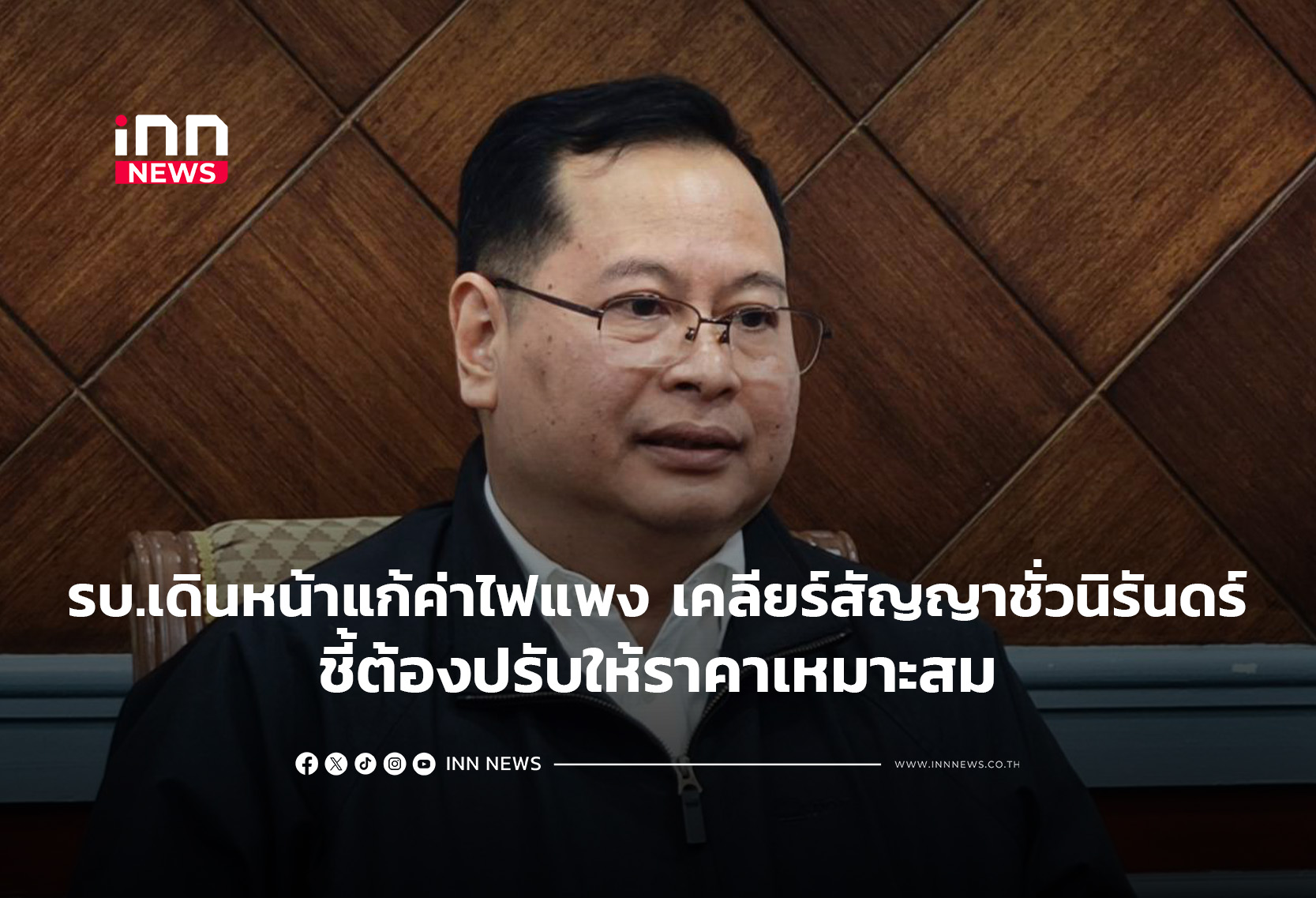
Thai Govt to Renegotiate 'Perpetual Contracts' to Address High Electricity Costs
The Thai government is initiating a review of long-term electricity purchase agreements with private power producers, commonly known as 'perpetual contracts,' in response to soaring electricity costs impacting citizens and businesses. The Energy Policy Committee (PEC) has approved negotiations to align prices with international standards.
This article requires PRO
This article is outside the free access window or is a special report. PRO unlocks it and the full archive.
Related articles
- MP Unlikely to Testify on Spouse's Alleged Scam Involvement
A Thai ruling party MP is unlikely to testify before a parliamentary committee regarding suspicions of her spouse's involvement in an international money-laundering scam. While the MP stated she would respond to scandals "sooner or later," her appearance remains highly uncertain.
- Thai Parliament Vows Enhanced Executive Cooperation for Road Safety
Thai Parliament Speaker Sophon Saram, at a road safety seminar, pledged to strengthen cooperation with the executive branch to enact legislation and address social issues. Key priorities include eradicating road accidents and tackling low birth rates and education challenges.
- Bhumjaithai MP's Spouse Linked to Overseas Online Casinos, Summoned for Testimony
The spouse of a Bhumjaithai Party MP has been linked to ownership of overseas online casinos, raising suspicions of involvement in transnational money laundering. The individual has been summoned to testify before a parliamentary committee, with questions also arising about the couple's asset declarations.
- Thailand to Restructure Sin Taxes, Consolidating Revenue with National Treasury
Thailand plans to restructure excise taxes on alcohol and tobacco, consolidating the existing 2% surcharge into the standard excise tax rate. This move aims to bring revenue into the national treasury for fiscal discipline and administrative efficiency. Four affected funds will need to apply for budget allocations separately under the Budgetary Procedure Act.