General articles are free for 24 hours after publish.
Cambodia Launches Free STI Testing Campaign Targeting Youth
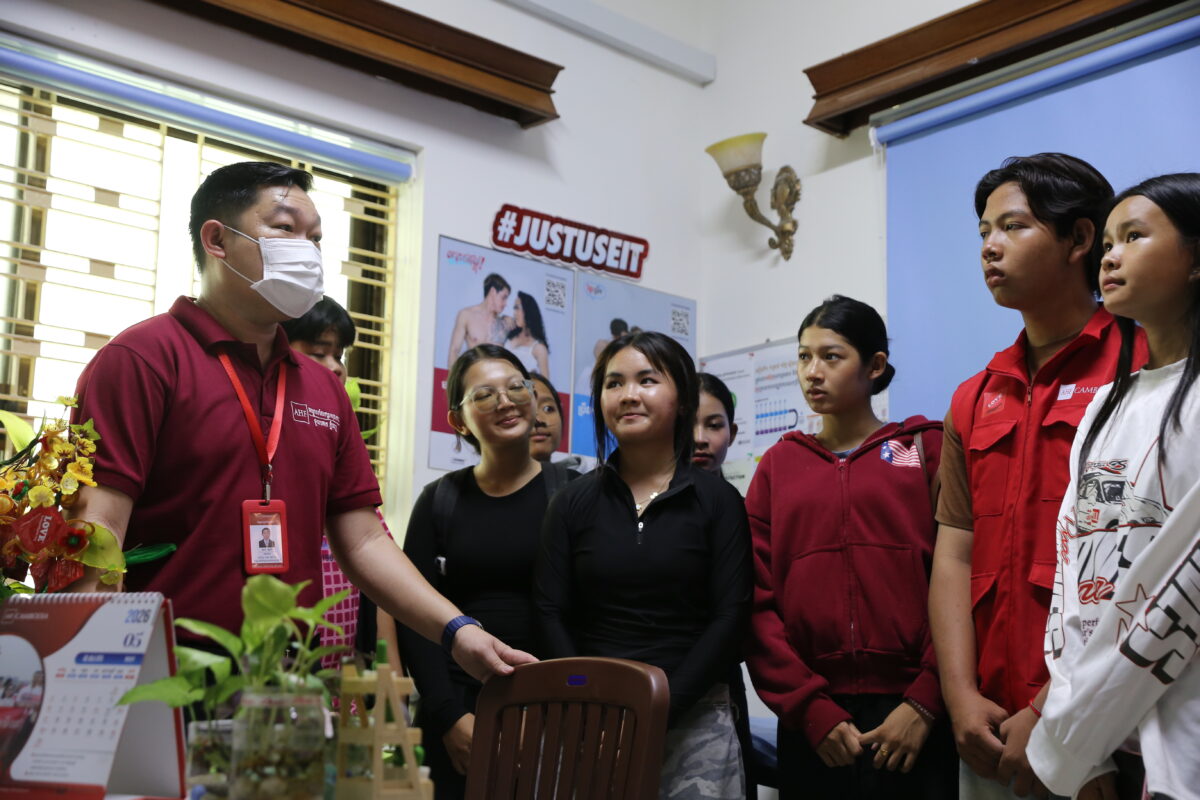
Cambodia is rolling out a free STI testing campaign aimed at improving young people's access to sexual health services. The initiative goes beyond traditional clinics, conducting outreach in parks and cafes where youth gather, fostering an environment where testing is accessible without stigma.
Health workers in Cambodia are taking sexual health awareness beyond traditional clinics, bringing free sexually transmitted infection (STI) testing and education directly to parks, cafes, markets, and popular nightlife areas. The ongoing campaign, organized by AIDS Healthcare Foundation (AHF) Cambodia, aims to encourage more young people to seek confidential healthcare without fear or stigma. Throughout Saturday, health workers, peer educators, and volunteers visited public venues to promote free testing, distribute educational materials, and connect individuals with services at the AHF Wellness Centre. The outreach efforts continued through the weekend, concluding on the morning of July 20. Dr. Chan Phanna, AHF Cambodia country programme manager, emphasized that while many STIs are treatable if detected early, stigma and embarrassment continue to deter people from seeking medical advice. "Many people still hesitate to seek testing because they fear judgement or discrimination. Our message is simple: sexual health is part of overall health, and no one should feel ashamed to come for testing," he stated. He added, "We want to bring these services closer to communities, especially young people, so they know that testing and treatment are free, confidential and available without discrimination." The campaign incorporates youth mobilization, peer education, social media promotion, and the distribution of leaflets with information on HIV prevention, STI testing, condoms, and health service appointments. Organizers deployed tuk-tuks and motorcycles to help connect people with HIV counseling and testing services, antiretroviral treatment, and other sexual health programs. The initiative builds on AHF Cambodia’s broader effort to encourage people to seek professional care rather than ignore symptoms or attempt self-treatment. The AHF Wellness Centre in Toul Kork provides free testing and treatment for HIV, chlamydia, gonorrhea, and syphilis, while also offering pre-exposure prophylaxis (PrEP), post-exposure prophylaxis (PEP), free condoms, and other sexual health services. The centre operates seven days a week from 8am to 5pm. Although many STIs are curable, health experts say they often remain undiagnosed because some infections cause few or no symptoms, while others go untreated because patients are reluctant to discuss sexual health. According to the World Health Organization (WHO), over one million people aged 15-49 globally acquire one of four curable STIs daily, including syphilis, gonorrhea, chlamydia, and trichomoniasis. WHO has also warned that antimicrobial-resistant “supergonorrhoea” is becoming an increasing global public health concern, making early diagnosis and professionally guided treatment more important than ever. Cambodia has made significant progress in tackling HIV, becoming the first country in Asia and the Pacific to achieve the global 95-95-95 HIV targets. However, public health experts caution that success against HIV does not eliminate the continued threat posed by other sexually transmitted infections. Young people remain particularly vulnerable because of gaps in sexual and reproductive health knowledge. UNFPA Cambodia has previously warned that inadequate knowledge can leave adolescents and young adults more exposed to STIs, while a 2023 biological and behavioral surveillance survey found that 45% of surveyed men who have sex with men and 45% of transgender women were infected with chlamydia, gonorrhea, or syphilis. AHF Cambodia believes confidential, community-based services can help overcome many of the barriers preventing people from seeking care. "AHF Cambodia is committed to reaching key populations — especially gay and bisexual men, and other people at heightened risk — by expanding HIV testing, ensuring treatment as prevention and promoting condoms as affordable, effective tools," Dr Phanna said previously. "By focusing on those most vulnerable, we can sustain Cambodia’s progress and move closer to ending HIV." Organizers said Saturday’s campaign was designed not only to raise awareness but also to make conversations about sexual health more accessible and less intimidating by bringing information and services directly into everyday community settings. Their message to young Cambodians was straightforward: having concerns about sexual health should never be a reason for embarrassment, and seeking timely testing could prevent a treatable infection from becoming a more serious health problem.
Original source
Phnom Penh Post