Clark Airport Operator Unveils 759-Hectare AeroDistrict Masterplan
Luzon International Premiere Airport Development (LIPAD), operator of Clark International Airport, has unveiled a 759-hectare masterplan called Clark AeroDistrict, aiming to transform the airport into the Philippines' first world-class airport city. The project seeks to become a hub for aviation, logistics, and commerce, driving economic growth.
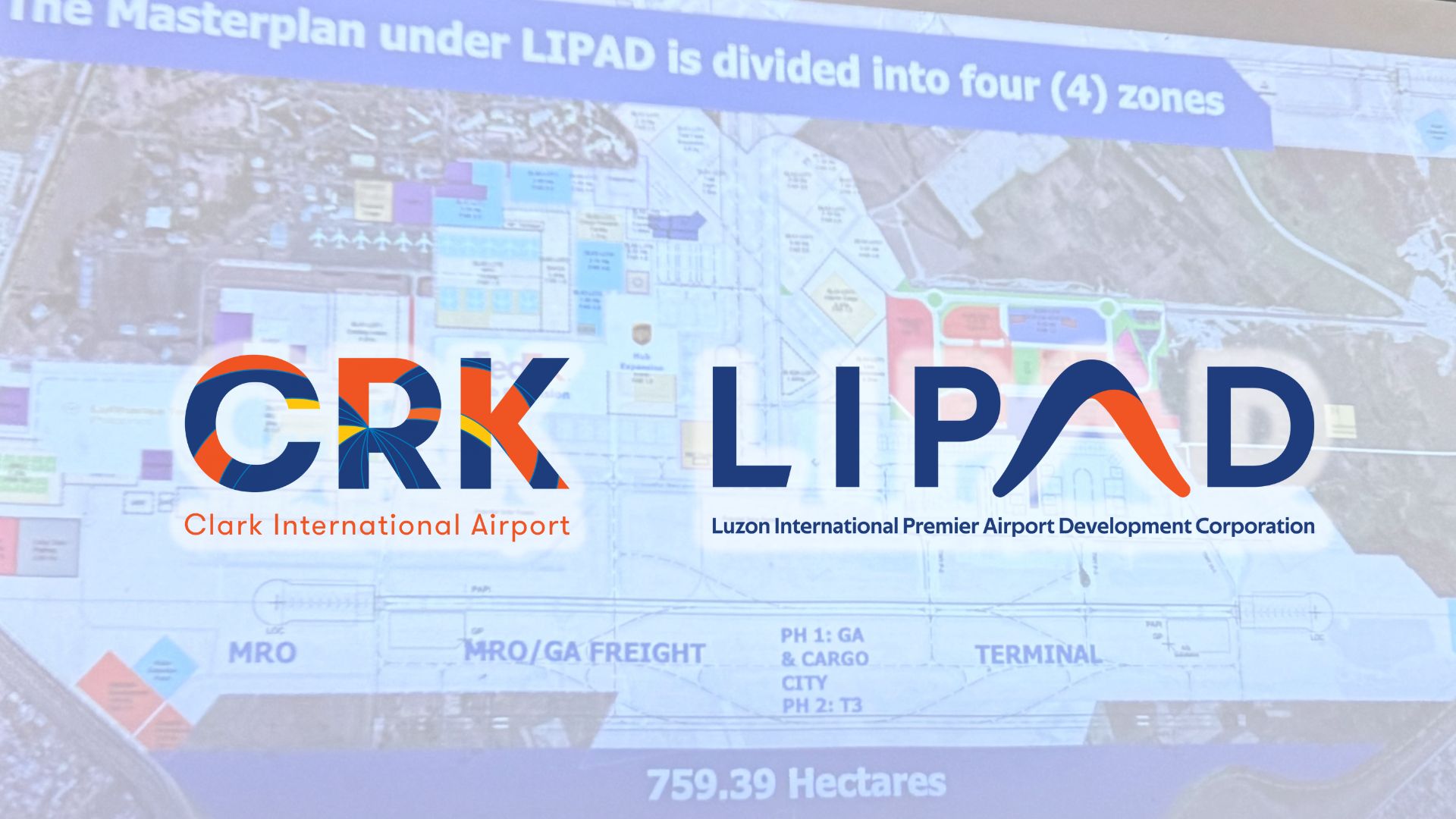
Luzon International Premiere Airport Development (LIPAD), the private operator of Clark International Airport, on Tuesday unveiled a 759-hectare aviation-oriented development masterplan aimed at transforming the airport into the country's first world-class airport city. At a press briefing in Makati City, LIPAD officials launched the Clark AeroDistrict masterplan, which will be developed by global infrastructure consulting firm AECOM. The masterplan is divided into four development zones that will support aviation-related industries, cargo and logistics operations, commercial and mixed-use developments, and future airport expansion. The zones will include dedicated areas for Maintenance, Repair and Overhaul (MRO) facilities, General Aviation (GA), cargo operations, freight services, and future terminal developments. LIPAD president and CEO Noel Manankil said the company is open to various implementation models, including joint ventures and long-term lease arrangements. "Clark International Airport has always been more than an airport. It is a gateway that connects people, businesses, and opportunities," he said. "With Clark AeroDistrict, we are building on that vision by creating the Philippines' first world-class airport city. We want Clark to become a leading hub for aviation, logistics, business, and investment, while helping drive economic growth for the country," Manankil added. Located within the Clark Freeport Zone, the Clark AeroDistrict will be built on government-owned land, eliminating concerns over right-of-way acquisition. At the heart of the masterplan is an integrated cargo and logistics ecosystem dubbed "Cargo City," which is designed to support sustained cargo growth and attract new logistics players. LIPAD Commercial Manager Paolo Santos said the company has allocated 30 hectares of the project's 130-hectare leasable area for Cargo City. The cargo development will feature scalable, investment-ready infrastructure aimed at strengthening supply chains and improving the movement of goods in both domestic and international markets. The LIPAD Consortium is composed of Changi Airports International, JG Summit Holdings, Filinvest Development Corporation, and Philippine Airport Ground Support Solutions (PAGSS).— MCG, GMA News
多角的分析
このプロジェクトは、フィリピン経済の多角化と成長を促進する上で重要な役割を果たすと考えられる。特に、航空関連産業、物流、およびそれに付随する商業施設の集積は、新たな雇用機会を創出し、外国直接投資(FDI)を呼び込む強力なインセンティブとなる。過去の事例では、同様のエアポートシティ開発が、周辺地域の不動産価値向上やサービス産業の発展に寄与してきた。クラーク・エアロディストリクトは、既存のインフラ(特にクラーク国際空港)を活用し、官民連携(PPP)モデルを柔軟に採用することで、開発リスクを分散し、効率的な資金調達と実行を目指している。これは、フィリピン政府が掲げるインフラ開発戦略と合致しており、経済的波及効果が期待される。
投資家にとって、クラーク・エアロディストリクトは、フィリピンにおけるインフラおよび物流セクターへの投資機会を提供する。政府所有地での開発は、用地取得リスクを低減させ、AECOMのような国際的なインフラコンサルタントの参画は、プロジェクトの信頼性を高める。MRO施設や貨物・物流ハブへの投資は、アジア太平洋地域におけるサプライチェーンの重要性が増す中で、長期的な収益が見込める可能性がある。LIPADが提示する共同事業や長期リースといった多様な実施モデルは、様々なリスク許容度を持つ投資家に対応できる柔軟性を示唆している。ただし、開発の進捗、テナント誘致の成功度、および将来的な空港拡張計画の実現性が、投資リターンの鍵となるだろう。
クラーク・エアロディストリクトの開発は、地域社会に多岐にわたる影響を与える。まず、新たな雇用の創出は、特に近隣住民にとって経済的恩恵をもたらす。しかし同時に、開発に伴うインフラ整備や交通量の増加は、既存のコミュニティの生活様式に変化をもたらす可能性がある。また、専門性の高い航空関連産業や物流業務の発展は、労働者のスキルアップの機会を提供する一方で、地域住民の職業訓練や教育への投資も不可欠となる。さらに、開発エリアの拡大に伴う環境への影響や、地域住民との土地利用に関する調整も、持続可能な開発のためには慎重な配慮が求められる。例えば、かつて米軍基地であったクラーク地域は、その歴史的背景から、地域住民のアイデンティティや土地への愛着が強い場合があり、開発計画への住民参加が重要となる。
クラーク国際空港の運営会社LIPADは、空港を国内初のワールドクラスのエアポートシティへと変貌させる759ヘクタールの「エアロディストリクト」マスタープランを発表した。航空関連産業、物流、商業施設などを集積させ、経済成長のハブを目指す。。記事本文に基づく追加の深掘りが必要な場合は、関連ソースを確認しながら補完してください。
背景・歴史的文脈
クラーク国際空港は、かつて米軍のクラーク空軍基地として機能していた広大な土地に位置する。1991年のピナツボ火山の噴火と米軍撤退後、フィリピン政府は同地域を経済特区として開発する方針を打ち出した。特に、2010年代以降、空港の近代化と民間運営への移行が進み、アジア太平洋地域における新たな航空・物流ハブとしてのポテンシャルが注目されてきた。今回のエアロディストリクト構想は、こうした過去の経緯と、フィリピン政府が推進する「ビルド・ビルド・ビルド」政策に続くインフラ開発への強い意欲が背景にある。南シナ海情勢の緊迫化も、国内物流網の強化と経済的自立の必要性を高めている。
原文ソース
GMA Money Philippines