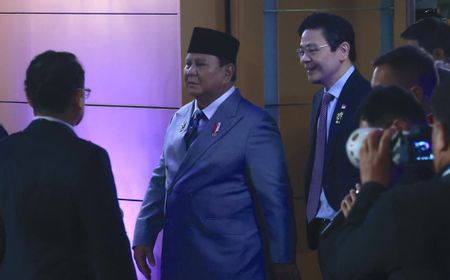
Indonesia Pushes ASEAN-South Korea Trade Expansion, Leveraging RCEP and Digital Markets
Indonesian President Prabowo Subianto, noting ASEAN-South Korea trade surpassed US$226 billion, advocated for deepening cooperation through stronger FTAs and expanded digital market access. He emphasized leveraging RCEP, enhancing the ASEAN-Korea FTA, and promoting technological collaboration, including in the semiconductor industry.
Read up to 3 eligible full articles per Japan day (JST) for free
Create a free account to open up to 3 eligible full articles per Japan calendar day (JST). Headlines and summaries remain available across ASEAN 7.
Related articles
- Indonesian Jewelry Gold Prices Decline on November 17; Market Trends Advised
On Tuesday, November 17, jewelry gold prices in Indonesia saw a decline at Raja Emas Indonesia, while remaining stable at Hartadinata Abadi (HRTA) and Laku Emas. Gold prices are influenced by global jewelry demand, currency fluctuations, and central bank policies, prompting buyers and investors to closely monitor market trends.
- IHSG Under Pressure Amid BI Rate Speculation, Foreign Outflows Persist
The Indonesian stock market faces downward pressure due to persistent foreign selling and a weakening Rupiah, ahead of the central bank's policy rate announcement. Markets are closely watching for a rate hold or hike, which will likely impact future stock performance.
- Rupiah Near Rp18,300, IHSG Under Pressure; Investors Await BI Rate Decision
The Indonesian Rupiah weakened to Rp18,268 against the US dollar, while the Composite Stock Price Index (IHSG) fell 0.44%. Investors are closely watching the Bank Indonesia (BI) monetary policy meeting on November 17-18, with a potential interest rate hike being considered to stabilize the Rupiah.
- Myanmar Faces Trade Dilemma Amidst Conflict and Domestic Restrictions
Myanmar is grappling with a significant international trade dilemma, as ongoing conflicts and restrictive domestic economic policies hinder its efforts to attract foreign investment and engage in global commerce. This situation poses a major obstacle to the nation's economic recovery and its integration with the international community.