General articles are free for 24 hours after publish.
Safe WPS Access Vital to 450,000 Fisherfolk, PH Food Security -- DA Exec
An official from the Philippines' Department of Agriculture stressed that safe and continuous access to fishing grounds in the West Philippine Sea (WPS) is vital for the livelihoods of over 450,000 fisherfolk and the food security of millions. WPS fisheries production has been increasing, but fisherfolk face challenges like harassment and natural disasters.
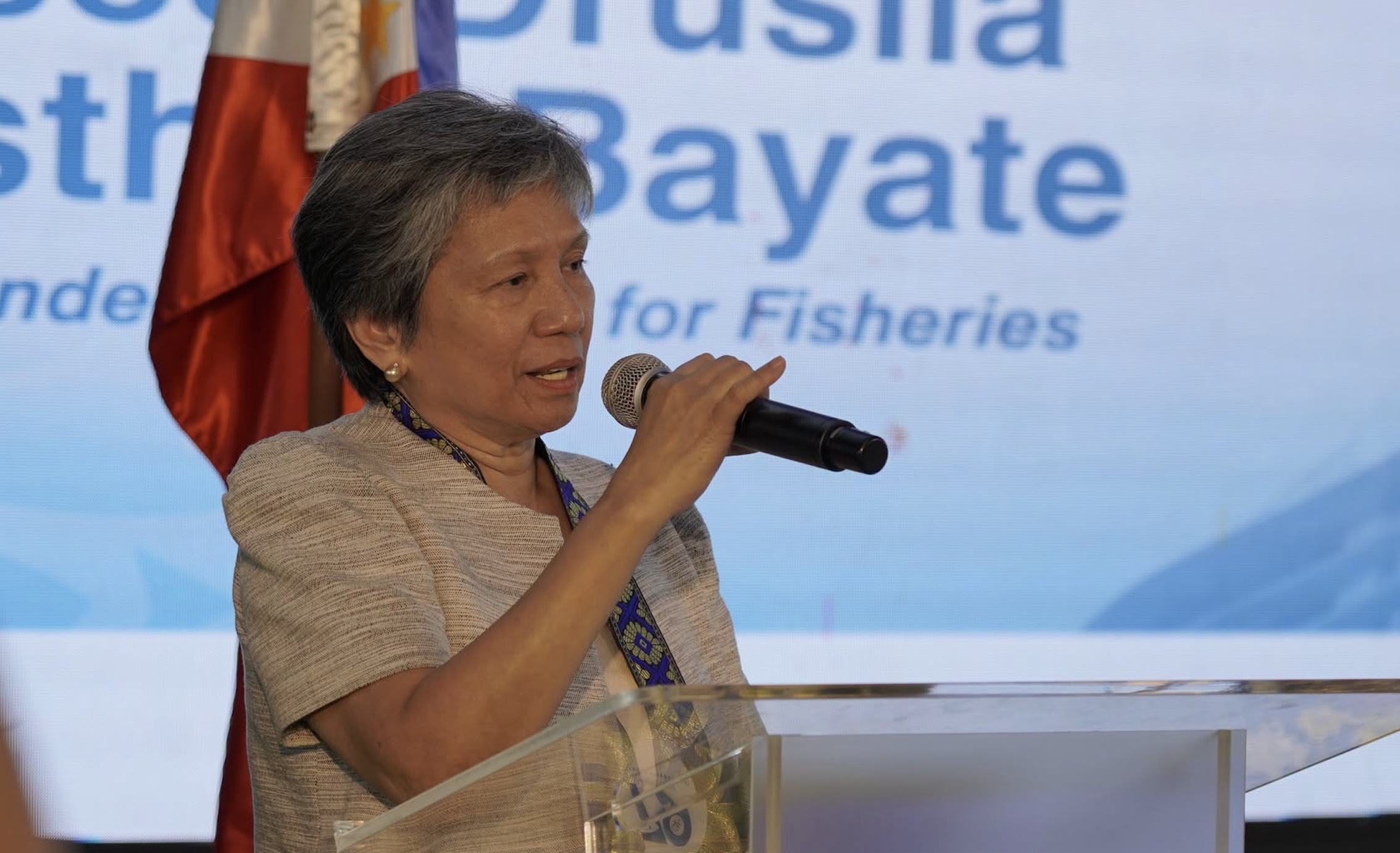
The livelihoods of more than 450,000 Filipino fisherfolk and the food security of millions depend on continued and safe access to fishing grounds in the West Philippine Sea (WPS), according to an official of the Department of Agriculture (DA). "The well-being of more than 450,000 registered fisherfolk and the food security of millions of Filipinos depend on ensuring continued, safe and sustainable access to these rich fishing grounds," Agriculture Undersecretary for Fisheries Drusila Esther Bayate said. Bayate made the statement during the national commemoration of the 10th anniversary of the 2016 South China Sea Arbitral Award on July 12, as she stressed the economic and food security stakes in protecting the country's fishing grounds. DA data showed that as of June 30, up to 453,246 fisherfolk were registered in provinces and cities along the West Philippine Sea, with Palawan accounting for the largest number, followed by Pangasinan, Batangas, and Cavite. Bayate said securing the livelihoods of fishing communities is crucial not only to asserting the country's sovereign rights but also to strengthening food security and economic resilience. Data from the Philippine Statistics Authority (PSA) showed that the WPS accounted for an average of 16.68% of the country's marine capture fisheries production from 2006 to 2025. Its contribution has increased in recent years despite a decline in overall national fisheries production. According to the DA, fish production from the WPS rebounded by nearly 28% from 2022 to 2025, accounting for almost 20% of the country's total marine catch last year. The value of fish caught in the area also reached P40.05 billion in 2025, nearly 80% higher than in 2006, amid higher fish prices attributed to tighter supply, sustained demand and inflation. Bayate, however, said fisherfolk face increasing challenges, including stronger typhoons, rising fuel costs, illegal fishing and damaged marine habitats, as well as harassment by Chinese militia that restricts access to traditional fishing grounds. The DA and the Bureau of Fisheries and Aquatic Resources (BFAR) said they are expanding livelihood and sustainability programs for fishing communities, including organizing fisherfolk into cooperatives and providing enterprise development and technical skills training. Under its F/B PAGBABAGO Program, BFAR provides fiberglass-reinforced plastic fishing boats and fishing gear, as well as boat repair training. The agency is also promoting seaweed farming through the distribution of seedlings and farming materials and the establishment of nurseries and post-harvest facilities. Women in fishing communities are also being trained in fish processing, food safety and the production of value-added products. The government has invested in cold storage facilities, smokehouses and solar fish dryers to reduce post-harvest losses and increase incomes. In 2024, BFAR also provided P3,000 in fuel assistance each to 18,539 qualified fisherfolk across 10 provinces along the West Philippine Sea. The agency said it is conducting resource assessments with the National Fisheries Research and Development Institute and coordinating with the Philippine Coast Guard, Philippine Navy and Philippine National Police Maritime Group to combat illegal fishing and strengthen maritime monitoring.—MCG, GMA News
Original source
GMA News Philippines