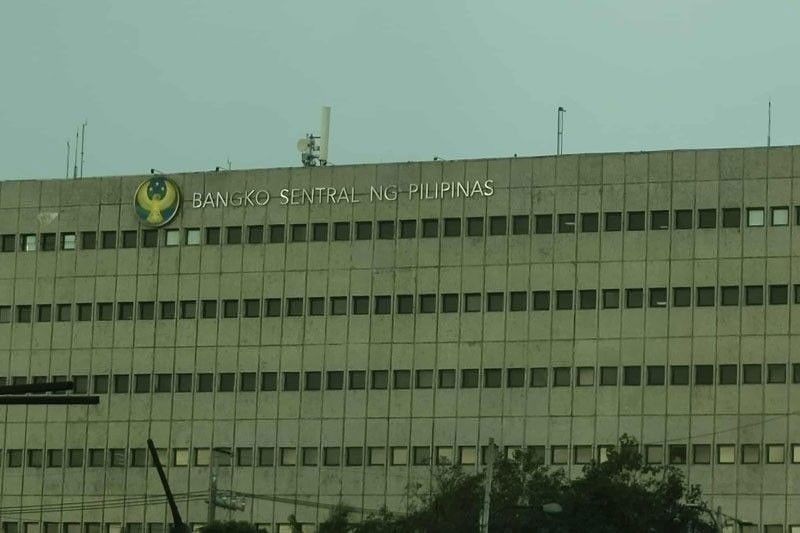
BSP Seen on Rate-Hiking Path Amid Persistent Price Pressures
Despite a slowdown in headline inflation, persistent core inflation, wage adjustments, and food supply risks suggest the Bangko Sentral ng Pilipinas (BSP) may continue its tightening path this year, economists said. The minimum wage hike in Metro Manila is a particular concern for inflationary impact.
MANILA, Philippines — The Bangko Sentral ng Pilipinas (BSP) is likely to maintain its tightening path for the rest of the year, as persistent underlying price pressures, wage adjustments, and looming food supply risks are expected to keep the central bank on a hawkish footing, economists said. While easing oil prices should help bring headline inflation lower after it slowed for the second straight month in June, the continued acceleration in core inflation signals that earlier energy price increases are spreading to a broader range of goods and services. Nomura Global Markets Research economists Euben Paracuelles and Nabila Amani said, “We believe headline inflation has already peaked, but core inflation has not, reflecting second-round effects.” Headline inflation eased to 6.4 percent in June from 6.8 percent in May and a peak of 7.2 percent in April. However, core inflation, which excludes volatile food and energy items, rose to 4.4 percent from 4.1 percent. Nomura lowered its average inflation forecast for 2026 to 5.1 percent from 5.5 percent and its 2027 projection to 3.1 percent from 3.2 percent, mainly due to lower oil price assumptions. Despite the downward revisions, the Japanese investment bank still expects the BSP to raise its policy rate by another 50 basis points this year to 5.25 percent. The central bank has delivered two consecutive 25-basis-point hikes since April, bringing the benchmark rate to 4.75 percent. Nomura said the BSP would likely maintain a measured approach before reversing its brief tightening cycle with a cumulative 75 basis points in rate cuts in the second half of 2027. HSBC Global Investment Research expects a more aggressive response, forecasting another 75 basis points in rate increases by year-end, which would bring the policy rate to 5.50 percent. HSBC senior ASEAN economist Aris Dacanay said the sharp P85 increase in Metro Manila’s daily minimum wage may not significantly lift inflation on its own as it covers only about 1.1 million of the country’s roughly 50 million workers. However, the increase, equivalent to 12 percent for non-agricultural workers, may encourage regional wage boards to approve similarly large adjustments. “Due to the upside surprise in wage hikes, we expect the BSP to stay on a hiking path for the rest of 2026 despite inflation being below expectations over the past two months,” Dacanay said. HSBC also expects food inflation to accelerate to nine percent in the fourth quarter as elevated fertilizer costs affect agricultural output, while El Niño threatens food production. Chinabank Research, meanwhile, expects the BSP to deliver one more rate hike in August as rising core inflation points to broader and more persistent price pressures. “Key upside risks to inflation remain, which could keep the BSP on a hawkish footing,” Chinabank said. The bank estimated that the Metro Manila wage increase alone could add around 0.19 percentage point to headline inflation. Should other regions approve a more modest six-percent increase, this year’s wage adjustments could add a total of 0.44 percentage point to inflation over the next one to two years. Chinabank also flagged a potentially strong El Niño and the rollback of government support measures as major risks. The suspension of excise taxes on selected fuel products is set to expire this month unless extended, while the second tranche of toll increases for the South Luzon Expressway and the Southern Tagalog Arterial Road took effect in July.
多角的分析
フィリピン経済は、ヘッドラインインフレの鈍化という一時的な安堵感はあるものの、コアインフレの上昇、賃金上昇圧力、そしてエルニーニョ現象による食料供給リスクといった構造的なインフレ要因に直面している。中央銀行(BSP)は、これらの要因が物価安定目標の達成を妨げると判断し、追加利上げを継続する可能性が高い。特に、メトロ・マニラでの最低賃金の大幅な引き上げは、直接的な賃金コストの上昇だけでなく、他の地域への波及効果も考慮すると、インフレ期待を刺激し、BSPのタカ派姿勢をさらに強固にする要因となり得る。政府の支援策縮小や燃料税の再導入も、インフレ圧力を高めるリスク要因として無視できない。
フィリピンの投資環境にとって、中央銀行の継続的な利上げは、借入コストの上昇を通じて企業収益にマイナスの影響を与える可能性がある。しかし、インフレ抑制を優先する姿勢は、長期的には経済の安定化に寄与し、投資家心理の改善につながる可能性もある。野村やHSBCといった大手金融機関は、年内の追加利上げを予測しており、市場はこれらの動きを織り込み済みであると考えられる。ただし、エルニーニョ現象による食料供給不安や、政府支援策の縮小といったリスク要因は、依然として市場の不確実性を高める要因となるため、投資家はこれらの動向を注視する必要がある。
メトロ・マニラでの最低賃金の大幅な引き上げは、労働者にとっては生活水準の向上に繋がる一方で、インフレを加速させる懸念も抱えている。特に、賃金上昇が物価上昇に追いつかず、実質的な購買力が低下する事態は、低所得者層の生活をさらに圧迫する可能性がある。また、エルニーニョ現象による食料供給の不安定化は、食料価格の高騰を招き、家庭の家計を圧迫する。政府の支援策の縮小は、これらの影響を緩和するはずのセーフティネットを狭めることになり、社会的な脆弱性を抱える人々への影響が懸念される。
フィリピン市民、特に低所得層や地方の住民にとって、物価上昇は依然として大きな懸念事項である。メトロ・マニラでの最低賃金引き上げは、一部の労働者にとっては朗報だが、それがさらなる物価上昇を招くのではないかという不安も同時に抱えている。食料価格の高騰は、日々の生活に直結するため、エルニーニョ現象の動向は注視されている。政府による支援策の縮小は、家計の負担を増やす可能性があり、生活の維持がより困難になることを懸念する声も聞かれる。中央銀行の利上げは、住宅ローンや消費者ローンの金利上昇に繋がり、家計へのさらなる圧迫となる可能性もある。
背景・歴史的文脈
フィリピンでは、過去にもインフレが経済の安定を脅かす要因となってきた。特に、食料品やエネルギー価格の変動は、国民生活に大きな影響を与える。2022年後半から2023年初頭にかけて、フィリピンは世界的なインフレ圧力の高まりを受け、ヘッドラインインフレ率が7%を超える水準まで上昇した。これに対し、BSPはインフレ抑制を最優先課題とし、段階的な利上げを実施してきた。しかし、コアインフレの根強さや、エルニーニョ現象による気候変動の影響、そして国内の最低賃金引き上げといった要因が、インフレ圧力を再び高める可能性を示唆しており、BSPの政策運営は引き続き厳しい状況に置かれている。
原文ソース
Philstar Business